How Dashboards Help Teams Stay Ahead of Business Changes
In today's fast-changing business world, just keeping up isn't enough. Teams need to look ahead to stay competitive. That's where business dashboards come in. They turn complicated data into a clear visual story, helping everyone see the big picture and react faster to changes.
A good dashboard does more than just show numbers. It gives you the background you need to understand how things are going, spot opportunities, and catch problems before they get out of hand. It's a central spot that keeps your whole team on the same page, focused on what matters most.
What Is a Business Dashboard?
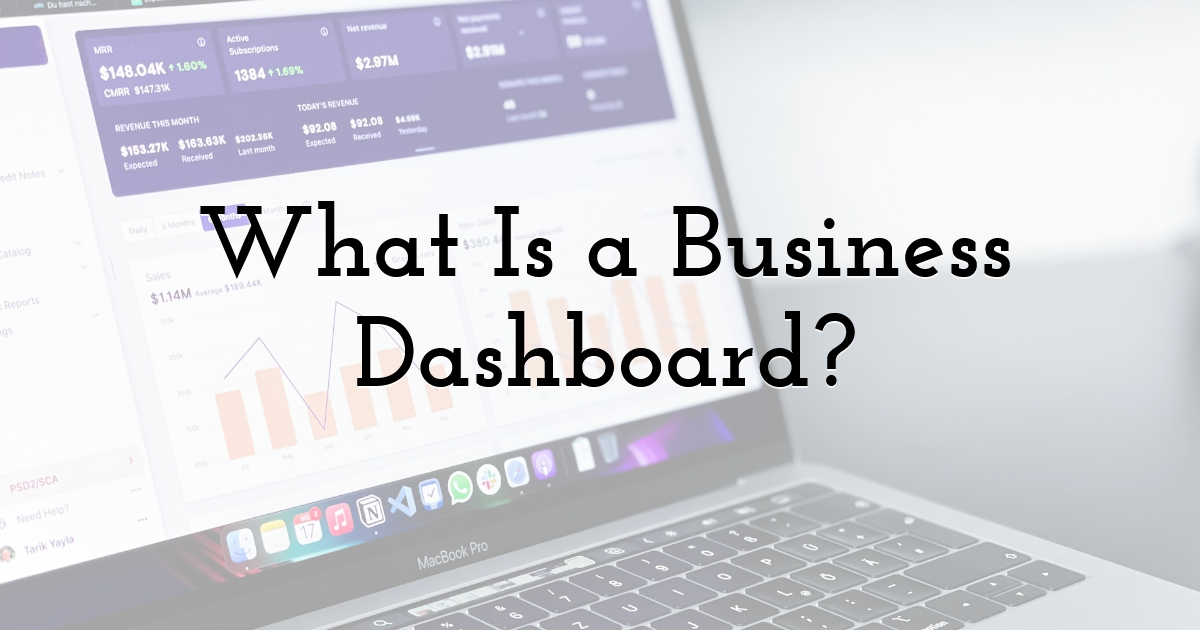
Think of a business dashboard like the one in your car. It gives you a quick look at the most important information: your speed, fuel level, and engine temperature, all in one place. A business dashboard does the same for a company. It's a tool that takes all your key performance indicators (KPIs), metrics, and important data points and puts them on a single screen.
Instead of digging through tons of spreadsheets, reports, and different software, a dashboard brings everything together. This might include:
- • Website traffic from Google Analytics
- • Sales numbers from your CRM
- • Customer support tickets from your helpdesk software
- • Project progress from your management tool
By showing this information visually with charts, graphs, and gauges, dashboards make it easy to quickly understand complex data and see how you're doing against your business goals.
Spotting Trends and Preparing for What's Next
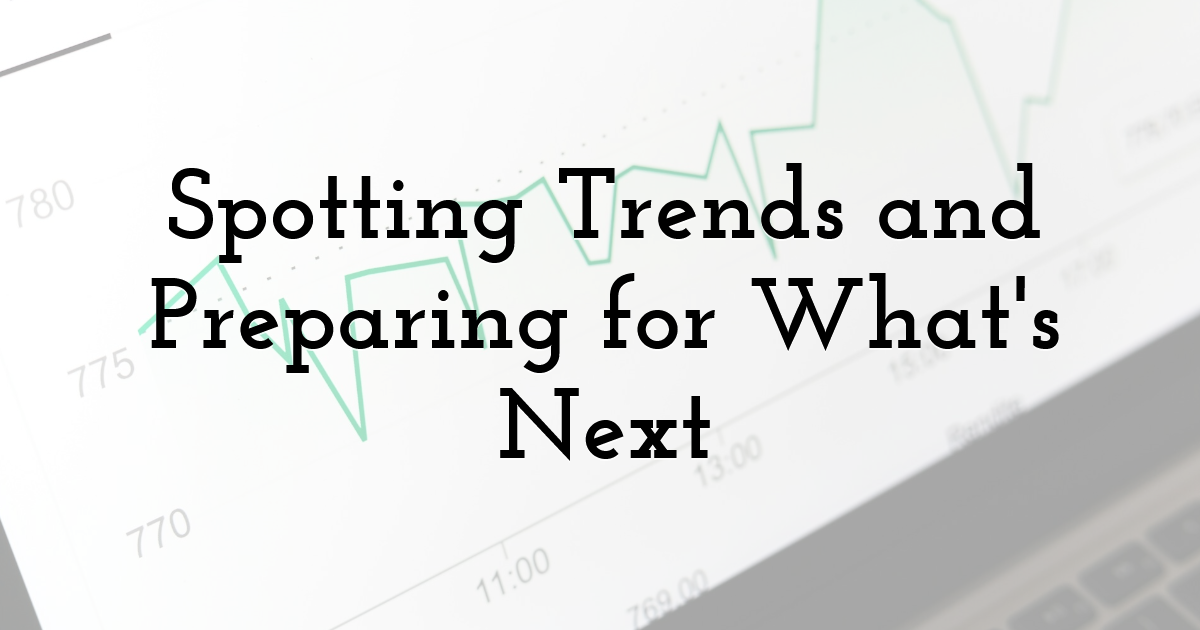
A regular report might tell you last month's sales, but a dashboard can show you sales trends over the past year. This can highlight seasonal patterns or the effect of a new marketing campaign. Historical views like this are key for predicting future performance and setting realistic goals.
Beyond internal numbers, dashboards can also help teams keep an eye on outside factors that affect the business. Tracking competitor prices, social media activity, industry news, and regulatory updates can make it easier to spot changes before they create problems.
For companies in regulated industries, this kind of proactive monitoring is crucial. Regulatory horizon scanning helps teams track upcoming laws, consultations, guidance, and rule changes across relevant markets, so they can assess what matters, assign follow-up actions, and prepare for compliance changes before deadlines arrive. This can prevent expensive surprises and keep the business on solid ground.
Unifying Teams with a Single Source of Truth

When the marketing team uses one set of numbers and the sales team uses another, confusion and arguments are bound to happen. Different departments often keep their data separate, leading to meetings where people spend more time debating whose data is right than actually solving problems.
A shared dashboard breaks down these barriers by creating one "single source of truth." When everyone looks at the same data, presented the same way, conversations become more productive.
For example, if both sales and marketing can see how a specific campaign directly impacts lead generation and final revenue, they can work together more effectively. Using real-time dashboards makes sure every team member has access to the most current information, cutting out delays and building a culture of openness and shared responsibility.
Making Faster, Data-Backed Decisions
In business, timing is everything. Being able to quickly act on an opportunity or a threat can make a huge difference. Traditional reports, which might come out weekly or monthly, create a delay between an event and when you see the data about it. By the time you get the report, the chance to act might have already passed.
Dashboards give you instant access to performance data, helping teams move from just reacting to being proactive. If a new product feature causes a sudden jump in customer support tickets, a dashboard will show it right away. This lets the development team fix the issue before it affects more users.
This continuous feedback loop supports better strategic decision-making at all levels of the organization, not just in the boardroom. Teams on the ground can make small, daily adjustments that collectively move the business forward.
Dashboards help teams go beyond hunches and base their actions on real evidence. By making data accessible to everyone, they empower every team member to help the company succeed and confidently adapt to whatever changes come their way.
Until next time, Be creative! - Pix'sTory
Recommended posts
-

The Complete Guide to Launching a Mobile Business: Branding, Tools, and S...
Read More › -
When to Stop DIYing Operations and Start Outsourcing
Read More › -

Top 5 Ways Light-Enhanced Advertising Visuals Improve Brand Visibility
Read More › -

From Complexity to Clarity: How Visuals Help Businesses Scale
Read More › -

The Art of Presentation: Selling Your Business Visually
Read More › -

Why Your Business Starts Getting Grilled the Second Bigger Clients Notice...
Read More ›