What are the most common reasons shoppers abandon a purchase
Many online stores lose sales right before checkout, even after shoppers take time to fill their carts. This common issue happens for different reasons that can often be fixed with simple changes. Understanding what causes shoppers to abandon their purchases helps businesses improve sales and create a smoother buying experience.
Today’s online shoppers expect easy payment options, fast websites, and clear costs before they commit to buy. Small problems, such as longer checkout steps or surprise fees, can quickly turn interest into hesitation. By identifying and addressing these weak spots, any store can reduce cart abandonment and build stronger trust with its customers.
Unexpected costs at checkout, like high shipping fees or taxes
Unexpected fees often make shoppers leave a purchase right before checkout. High shipping costs, added taxes, or surprise handling charges can make the total price jump suddenly. This sudden change causes many customers to question the value of the purchase and abandon the cart instead of finishing the order.
Clear, upfront pricing helps prevent that outcome. Businesses that use transparent retail order fulfillment solutions can offer accurate shipping estimates and display full costs before the final step of payment. This approach gives customers confidence that they know exactly what they will pay.
Retailers can also reduce these surprise charges through smart fulfillment practices. For example, using programs that include prepaid duties or taxes avoids extra costs at delivery. These efforts support a smoother checkout experience and lower cart abandonment rates across domestic and international orders.
Complicated or Lengthy Checkout Process
A complicated or slow checkout process often causes shoppers to leave before buying. Many customers lose patience if they face too many steps or unnecessary form fields. Even small delays can create frustration and lead them to abandon their carts.
Research shows that a long or confusing checkout can discourage buyers. People usually expect a quick and clear path to payment, so each additional click increases the chance they will leave. Simple design choices, such as fewer form fields or a one-page layout, can help reduce drop-offs.
Clear instructions and flexible payment options also make a difference. Shoppers feel more comfortable finishing a purchase if they can easily see what to do next. As a result, smoother checkout experiences lead to fewer abandoned carts and better overall sales performance.
Website performance issues, such as slow loading times
Slow website loading often causes shoppers to lose patience and leave before completing a purchase. Even a delay of a few seconds can create frustration or doubt about the site’s dependability. Fast and smooth performance helps customers move through checkout with confidence.
Heavy images, unoptimized scripts, and poor server capacity often lead to slower pages. Each extra second a page takes to load increases the chance that shoppers will abandon their cart. Many visitors expect quick results and may switch to another retailer instead.
Regular site checks help detect and fix factors that reduce speed. Developers can compress files, use caching, and update servers to handle higher traffic. As a result, the site responds faster and provides a smoother shopping experience.
Speed issues are not always caused by one “heavy page” — they often come from patterns like traffic spikes, slow third-party scripts, failed payment calls, or device-specific bugs that appear only under load. Teams can use AI to detect these patterns earlier by monitoring performance signals, predicting high-risk sessions, and flagging checkout steps that correlate with drop-offs.
When the fixes require deeper automation or custom tracking, working with custom AI software development services can help ecommerce teams build AI-driven monitoring and decision logic that fits their exact stack, rather than relying only on generic reports.
Good website performance not only prevents lost sales but also builds trust. A responsive site signals professionalism and makes customers more comfortable completing their purchase.
Lack of Trust-Building Feedback
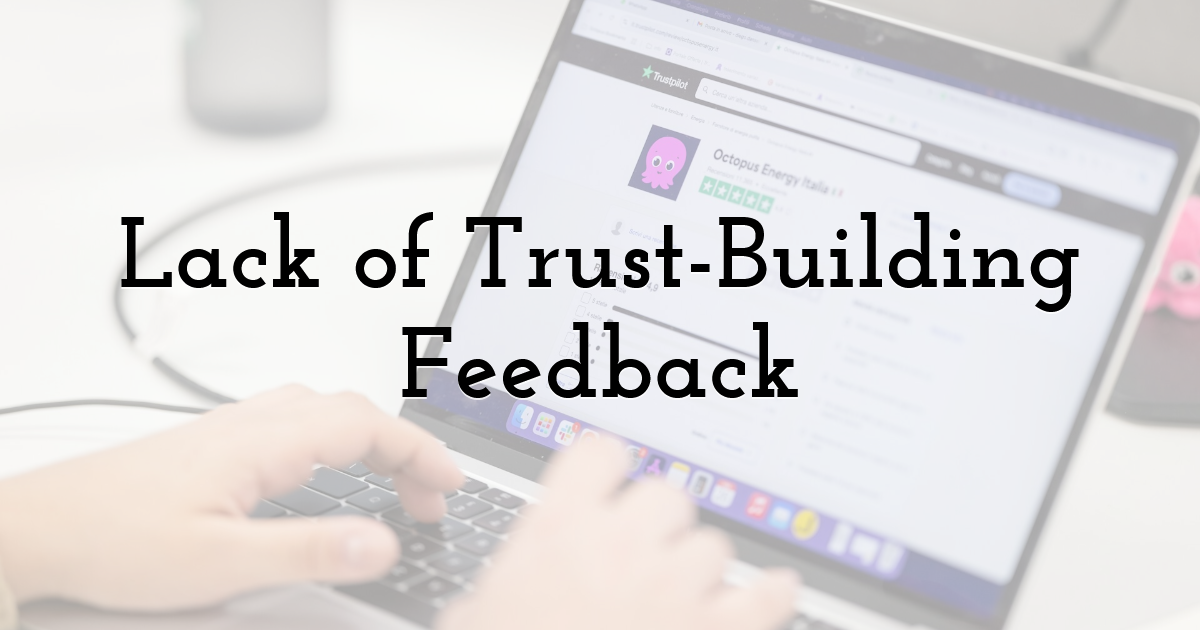
Shoppers often hesitate to complete their purchases if they’re unsure about the product or store’s credibility. One key element that can influence a buyer’s decision is the presence (or absence) of customer reviews. Without visible feedback from others who have purchased the same product, potential buyers are more likely to leave the cart, uncertain about the quality or reliability of the item.
Customer reviews provide crucial insights into the product’s quality, the store’s customer service, and the overall shopping experience. Shoppers trust the opinions of others, especially when they can see a pattern of positive experiences. By showcasing genuine, detailed reviews on product pages and during checkout, retailers can reduce hesitation and reassure customers that their purchase is a safe and well-informed decision.
To help prevent abandonment, stores can leverage AI-powered review software to gather and display authentic feedback in real-time. These systems can automatically collect reviews after each purchase and highlight common customer concerns, enabling the business to quickly address issues that might lead to cart abandonment, such as unclear product descriptions or slow shipping times.
By making customer feedback a visible and trusted part of the shopping process, retailers can build stronger buyer confidence, ultimately improving conversion rates and reducing the likelihood of abandoned carts.
Concerns over security and privacy

Many shoppers worry about how their personal and payment details are handled. If a site looks outdated or lacks visible security signals, buyers hesitate. A missing padlock symbol or unclear privacy statement can make them doubt whether their information will stay safe.
Customers also pay attention to how a store presents its trustworthiness. Clear contact details, transparent return policies, and secure payment options help establish confidence. If any of these elements appear uncertain, customers tend to leave rather than risk exposing private data.
Fraud reports and data breaches have made people more cautious online. As a result, even a small sign of risk can influence a shopper’s choice to cancel a transaction. Websites that demonstrate strong data protection and straightforward communication give users greater peace of mind.
Privacy clearly influences purchasing behavior, so businesses must address these concerns. Visible security measures and honest messaging help reduce hesitation during checkout.
Final Thoughts:
Shoppers leave online carts for clear reasons: unexpected costs, slow checkout processes, and lack of trust. Poor product descriptions or unclear returns can also cause hesitation. By offering transparent pricing, a smooth checkout experience, and real customer reviews, brands can reduce cart abandonment and build stronger buyer confidence.
Until next time, Be creative! - Pix'sTory
Recommended posts
-
SamCart Alternatives Compared: Which One Is Worth It?
Read More › -

How Product Listing Optimisation Services Can Boost Your Online Sales
Read More › -

The Growth of Product Personalization in Ecommerce 2026
Read More › -
What are the most common reasons shoppers abandon a purchase
Read More › -
How to Spot and Address Operational Inefficiencies in Your Online Store
Read More › -

Product Research Revolution: How Amazon Data Transforms Market Intelligen...
Read More ›