6 Architectural Visualization Studio Portfolios to Inspire Your Next Project
People don’t invest in drawings. They invest in things they can picture. That’s why visualization matters so much in architecture. It makes ideas feel real before anyone pours concrete or signs financing papers. A good studio can take a messy concept and show what it could be in a way that makes sense to people who don’t speak the language of design. The seven studios in this article do that better than most, each with its own style and priorities.
1. OmegaRender: The Global Leader in High-End 3D Visualization

OmegaRender is one of the clearest examples of how 3d visualization services can influence real project outcomes. Architects and developers rely on their work because the images feel like scenes from an expensive film rather than static technical diagrams. This style of visual storytelling helps stakeholders picture the lifestyle associated with space, not just its geometry and layout. Their team often works on large mixed-use schemes that include residential towers, retail clusters, and public plazas, all managed under a single vision.
Handling that scale without losing artistic precision is difficult, yet OmegaRender manages it with consistency and calm control. The studio pushes for narrative impact rather than sterile realism, which helps win investor confidence early in the process. Their portfolio is studied globally by students and competitors who want to understand how lighting, color, and texture influence mood. In many ways.
OmegaRender operates more like a strategic partner than a vendor, supporting project teams from early concept to sales launch. Developers use their visuals in pitch decks, marketing campaigns, and international competitions because the work reduces hesitation and accelerates decisions. If you need to convince a mixed group of planners, financiers, and buyers that a bold concept can be built, OmegaRender is the kind of architectural visualization studio that can make it real on screen first.
2. NoTriangle Studio: Outcome-Driven Visualization for Real Estate
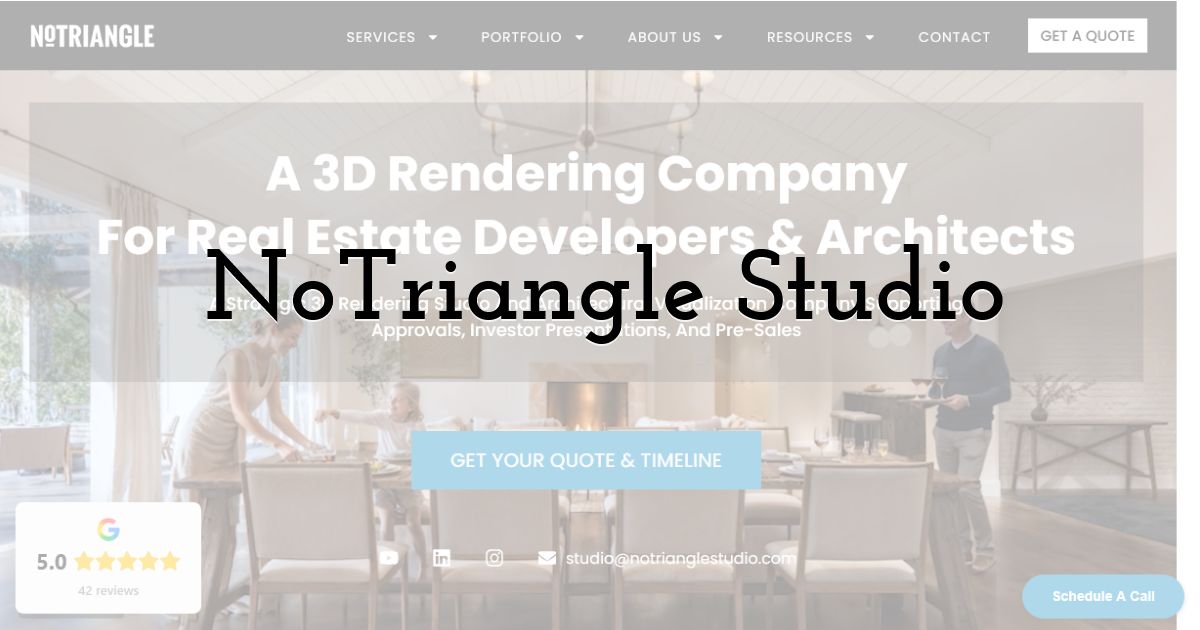
US Based NoTriangle Studio approaches architectural visualization with a clear focus on real estate outcomes — specifically how visuals can support pre-sales, improve buyer understanding, and accelerate decision-making. Rather than treating renderings as standalone assets, the studio positions them as tools that directly influence how a project is perceived, marketed, and ultimately sold.
This focus shapes their entire process. While many studios prioritize stylistic impact, NoTriangle emphasizes accuracy and clarity first, ensuring that every image reflects what will actually be built. This becomes especially valuable in pre-construction phases, where buyers rely entirely on visuals to understand space, layout, and overall quality. By reducing ambiguity, their work helps build trust earlier in the sales cycle.
At the same time, their portfolio demonstrates a refined visual sensibility. Lighting, composition, and material detail are handled with restraint, creating images that feel realistic and composed rather than overly stylized. Interiors are designed to feel natural and livable, while exteriors maintain a strong sense of context and environment.
A key differentiator is their human, relationship-driven workflow. Clients collaborate closely with the team throughout the process, with consistent communication and alignment ensuring that the final output matches both design intent and marketing goals. This reduces friction, minimizes revisions, and leads to more reliable results across complex projects.
For developers and architects looking to use visualization as a strategic tool — not just a visual upgrade — NoTriangle Studio offers a clear example of how precision, communication, and outcome-focused thinking can come together effectively.
3. MIR

MIR is well known for a calm, atmospheric style that treats architecture as part of the landscape instead of something planted on top of it. Their strongest images look like editorial photography from a slow walk through the countryside, where light, weather, and terrain set the tone. This approach feels honest and helps viewers imagine how a building might age and settle into its surroundings. MIR favors restraint over visual noise. They avoid overly polished commercial looks and instead aim for subtle emotional cues that feel believable. Architects in Norway often mention that MIR’s work prompted them to rethink the relationship between site and structure.
International firms also study the balance MIR achieves between environment, materiality, and human presence in a single frame. It proves that architectural storytelling does not always require dramatic skylines or heavy post-production. Sometimes, a thin mist, a low sun, and a few people walking across a courtyard can do more for credibility than any lens flare. Their small, handpicked team protects this voice. Each project feels crafted rather than processed, which is rare at a time when many studios chase volume. The result is a portfolio that has become a reference for anyone who wants emotion without excess.
4. The Boundary: Excellence in Real-Time Technology and CGI

The Boundary helped move real-time technology from gaming into mainstream architectural marketing. They adopted Unreal Engine and similar toolsets early, before most studios believed real-time rendering could support client work. That decision opened the door for interactive tours, virtual reality showrooms, and digital twins used in sales suites. Instead of relying only on static images, clients can now explore unbuilt spaces as if they were walking through them with a game controller. This level of interactivity changed expectations for high-end residential and commercial projects in cities such as London and New York.
Buyers and tenants can understand daylight, views, and circulation before a single brick is laid. At the same time, The Boundary continues to produce still images with a strong editorial feel. Interiors are styled and lit like pages from a fashion or lifestyle magazine, not just technical documentation. That mix of advanced technology and careful taste is what sets them apart from a typical 3d rendering studio focused purely on output volume. For developers who want their project to look and feel premium across all channels, The Boundary is often near the top of the shortlist.
5. Luxigon: Bold Artistry and Dynamic Urban Compositions
Luxigon offers a very different type of visual language. Their images are bold, expressive, and packed with urban energy. This makes them especially popular for competition entries where originality matters more than strict photoreal accuracy. Luxigon’s scenes feel like controlled chaos, full of color, motion, and layered narratives. Camera angles are rarely neutral. They lean into strong perspectives that stretch streets and squares, helping viewers feel the scale of a proposal.
Instead of presenting a city as a clean backdrop, they embrace clutter, signage, traffic, and people in motion. This helps juries understand how a project might insert itself into the rhythms of daily life. While some commercial clients still want clean marketing shots, many conceptual projects benefit from Luxigon’s more painterly, interpretive touch. It reminds the industry that architectural visualization can be art, not just documentation. For younger architects building portfolios and offices, Luxigon’s work serves as inspiration and a challenge to be visually brave.
6. Brick Visual: Cinematic Narrative and Technical Innovation
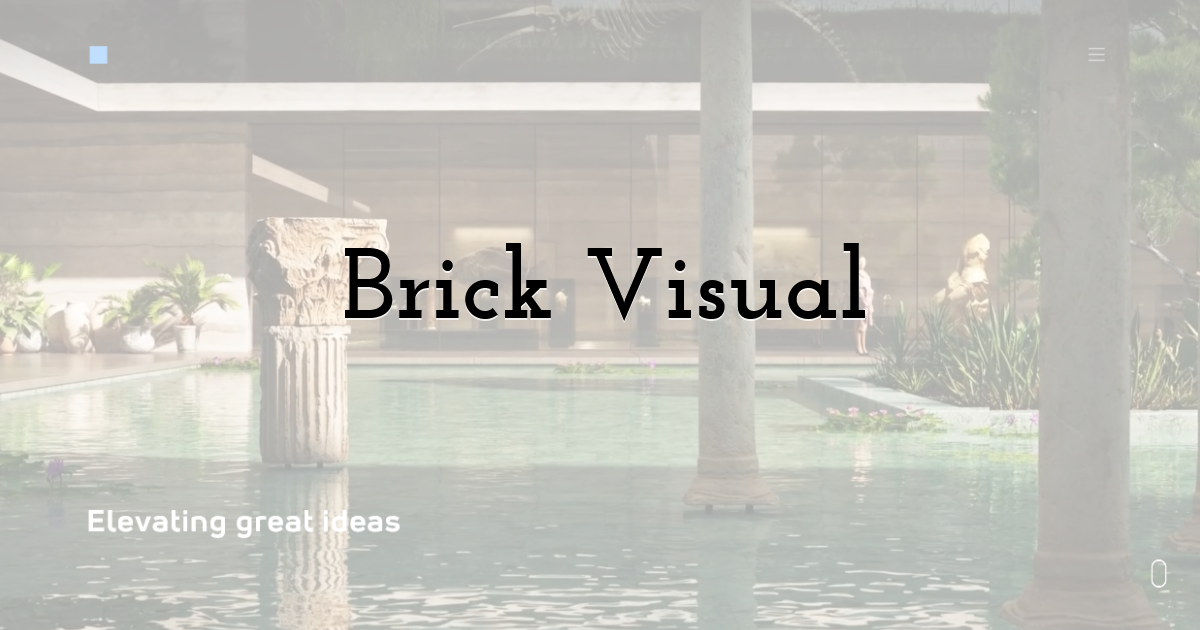
Brick Visual blends cinematic composition with disciplined pipeline engineering. Their renders often borrow structure from classical painting, using light and shadow to guide the viewer’s eye across a scene. Streets, landscape, and sky are balanced to support the main architectural idea rather than compete with it. At the same time, Brick Visual is known for serious investment in production tools such as the Pulze family of scene and render managers.
This focus on workflow makes it easier for them to handle large master plans and infrastructure jobs with many moving parts. Clients know the visual quality will be high, but they also know that delivery schedules and version control will be under control. That combination of art and operations is rare. It sets Brick Visual apart from a typical 3d rendering company that might excel at still images but struggle to keep a complex project on track over many months.
7. DBOX: Branding and the Modern Architectural Visualization Studio
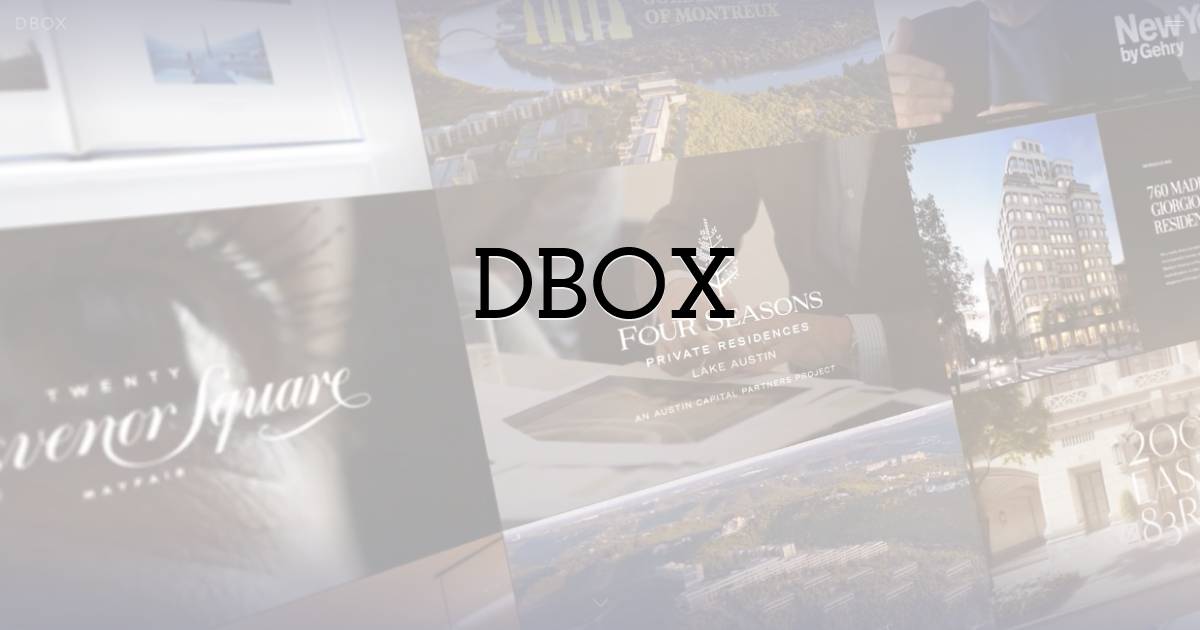
DBOX works at the intersection of branding, storytelling, and visualization. They do not limit themselves to static renders or simple animation. Instead, they build full identity systems for developments, covering naming, copywriting, film, and campaign strategy. Their visuals support these stories rather than sitting beside them. In the luxury residential market, this integrated approach matters a lot. Buyers are choosing more than floor plans. They are choosing status, culture, and a sense of belonging. DBOX uses cinematic techniques, real-time ray tracing, and strong editorial direction to shape this perception.
Many high-end developments in North America, Europe, and the Middle East now treat their work as a benchmark for launching projects. Developers see that using a single, coordinated team for brand and visual design creates a stronger, more consistent message than splitting tasks across agencies. As a result, DBOX is often the reference name when people talk about visualization that truly moves markets.
Strategic Benefits of Partnering with Elite Visualization Studios

Working with elite visualization teams is not just about creating beautiful images for a website. Real estate and infrastructure projects involve risk, and that risk declines as ideas become clearer earlier. Strong visualization connects abstract drawings to business outcomes in a way that spreadsheets cannot. Some of the most important benefits include the following points.
- • Emotional impact that helps investors and city officials commit faster
- • Earlier detection of design issues before construction locks in expensive choices
- • Shorter sales cycles supported by immersive content and clear narratives
- • Unified lighting and material references that guide contractors and fabricators
- • Future-ready asset libraries for VR, AI-enhanced tools, and digital sales channels
Final Thoughts:
Taken together, these portfolios show how far architectural imagery has evolved from simple 3D views. OmegaRender proves that high-end storytelling and technical precision can coexist at scale. MIR reminds us that quiet, natural atmospheres can be more persuasive than aggressive post-production. The Boundary demonstrates how real-time engines and interactive tours change the way clients experience space before it is built. Luxigon pushes everyone to be more expressive and courageous in visual language, especially when pitching conceptual ideas. Brick Visual balances cinematic framing with robust pipelines suited to large, demanding projects. DBOX shows how visualization, branding, and narrative merge into one system when a development aims for true cultural impact. Around them, a broader ecosystem operates that includes firms and agencies of every size, supporting work for housing, infrastructure, and cultural venues worldwide. Most of these teams offer a blend of 3D rendering services, 3D architectural rendering services, 3D architectural visualization services, and flexible 3D rendering services that adapt to client needs. At the top end, the strongest studios collaborate with architects, planners, and marketers rather than working in isolation, keeping projects aligned from concept to launch.
Behind these headline names is a growing network of specialists. Some operate as compact 3D visualization studios focused on interiors or small residential schemes. Others grow into a full 3d architectural visualization company with teams dedicated to animation, stills, and interactive tools. Together, they respond to rising demand from cities that use design competitions and from developers who want consistent visual standards across global portfolios. As technology improves and expectations rise, it becomes more important to choose partners carefully, whether you work with a boutique shop or a large 3d rendering studio. For any team planning the next big pitch, competition, or investor roadshow, it is worth studying how each architectural visualization studio in this group turns complex designs into clear, confident stories.
In practice, many clients move between different providers over time, from a small 3D rendering firm that handled early work to a larger 3D rendering agency that can support multi-market campaigns. The common thread is the search for reliable, precise, and flexible partners who treat visualization as a core part of project strategy rather than an afterthought.
Until next time, Be creative! - Pix'sTory
Recommended posts
-
10 Easy Design Hacks to Create Stunning Visuals Without Being a Pro
Read More › -
How Precision Tools Are Shaping Modern UX Design
Read More › -
Editing Without Borders: How Remote Access Supercharges Modern Image and...
Read More › -
How to Design and Present Flyers with Ease
Read More › -

Poor Logo Design: How to Recognize and Prevent It
Read More › -

What Makes An Onboarding Platform Truly Effective?
Read More ›