Social Media Management for Modern Brands: Strategy, Workflows, and Best Practices

Social media is no longer considered a simple mode of communication. In today's digital economy, social media has become a vital business driver. For modern brands, having a social media presence on various social media sites such as Instagram, TikTok, Facebook, YouTube, LinkedIn, etc., is no longer enough. Instead, modern brands need to have a strategy to manage social media. This strategy is referred to as social media management. Through social media management, modern brands can successfully develop meaningful relationships with audiences while attaining business objectives such as website traffic, lead generation, customer loyalty, etc.
What is social media management?
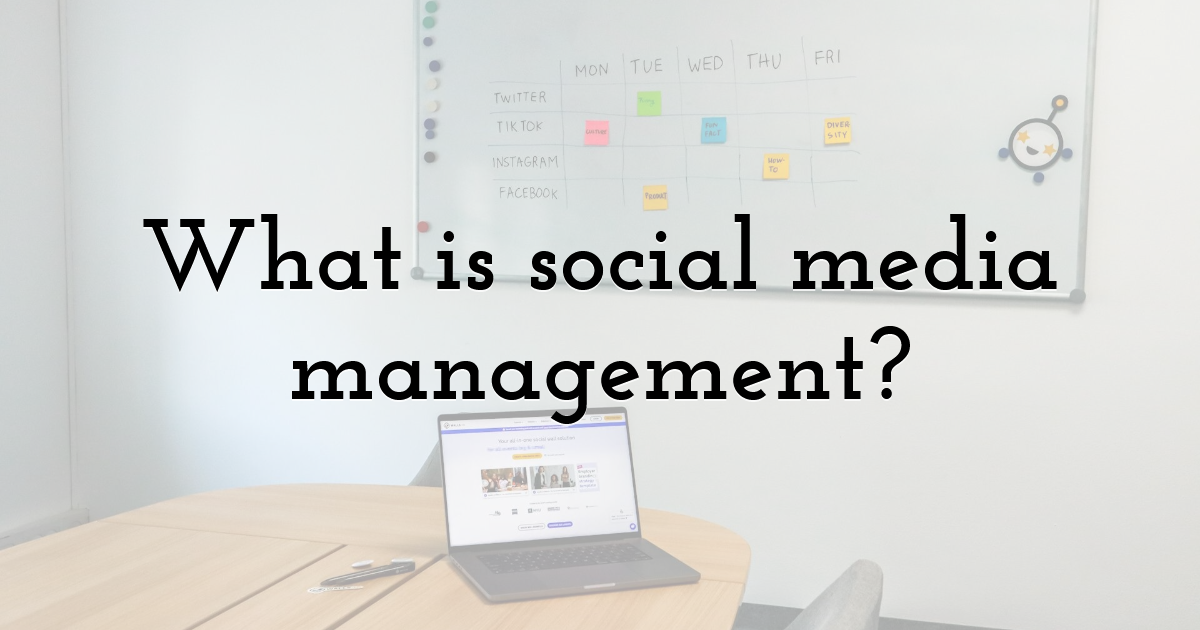
Social media management is a process of creating, managing, analyzing, and reporting on content published on various social media sites. This process involves a strategic approach to managing a brand's social media presence.
Social media management includes various activities such as:
- • Creating social media content or scheduling content using social media scheduling tools
- • Managing interactions with audiences or responding to comments or messages
- • Monitoring brand mentions or conversations
- • Creating a content strategy based on business objectives
- • Analyzing performance metrics or optimizing content
The ultimate objective is to enhance brand reputation, increase audience engagement, and influence business objectives such as website traffic, lead generation, customer loyalty, etc.
Modern brands can successfully utilize social media management tools to manage social media content. Brands can also utilize a social media content calendar to manage social media content. The social media content calendar helps maintain a consistent flow of content to communicate with audiences.
Scheduling and content calendar tools handle publishing and consistency, but they don't cover account security. Brands running more than one account per platform, especially agencies managing several client profiles, need a separate layer for that. Multilogin is a cloud phone platform built for this purpose. It runs each social account on its own real Android device for mobile-first platforms like TikTok, Instagram, and Facebook, while using isolated browser profiles for web-first platforms like LinkedIn. Each account gets its own separated environment, so activity on one profile doesn't affect the others. Plans start free with no time limit, and paid tiers begin at $7.08 a month, scaling up to Business plans built for agencies running 300 to 10,000+ profiles. It's designed to work alongside existing scheduling tools rather than replace them.
Best practices in social media management

To be successful in a competitive digital space like 2026, brands must employ effective yet efficient social media practices.
The following are some of the most efficient social media management practices:
Post with Purpose
Successful brands do not post content randomly. The content posted must have a purpose.
The purpose of posting content may vary. The purpose may be to:
- • Initiate a conversation with the audience
- • Promote a product or service
- • Educate the audience
- • Increase brand awareness
The content posted must also be relevant to the marketing goals. While consistency is key, quality must come before quantity. A brand may post three pieces of quality content a week rather than posting every day.
Emphasize Authentic Engagement
Authenticity is an important component of a successful relationship on social media.
A brand must engage with the audience as a person, not as a faceless corporation. This includes:
- • Engaging with the audience with a natural tone
- • Providing thoughtful feedback on the comments posted by the audience
- • Acknowledging the experiences of the customers
Personalized feedback is an important component of building trust and creating an emotional connection with the customers.
Focus on Short-Form Video Content
The use of short-form video content is one of the leading factors for the success of a brand on social media.
Social media platforms like TikTok and Instagram have short-form video content, which requires instant attention.
Some of the key factors for the success of short-form video content include:
- • Capturing the attention of the audience within a few seconds of playing the video
- • Entertainment, education, or inspiration
- • Engaging storytelling
For example, a cooking brand can post short recipe videos that feature their products and educate their audience on how to cook.
Tailor Your Content to Each Platform
Brands should not post their content on all social media platforms. Posting content on all social media platforms is not likely to produce a positive outcome.
Brands should tailor their content according to their audience and tone of voice used on each social platform. For example:
- • Industry insights on LinkedIn
- • Visual storytelling on Instagram
- • Behind-the-scenes videos on TikTok
The above approach will provide a more personalized and engaging experience.
Leverage Micro-Influencers
Micro-influencers are individuals with a smaller audience that is highly engaged with their social media platforms.
Unlike celebrity influencers, micro-influencers are in touch with their audience.
Brands can leverage the following:
- • Product reviews
- • Targeting a specific audience
- • Long-term influencer marketing
The above approach will help brands reach a specific audience that is already influenced by the opinions of their audience.
Key strategies for social media optimization in 2026
As social media is evolving, brands should also evolve their strategies to keep up with their competitors. There are various strategies that can be used to optimize social media in 2026. These strategies are discussed below.
Community Building
Research indicates that 85% of marketers consider community building a key social media optimization strategy. Brands that build relationships with their audience will inspire a sense of loyalty. For example, Glossier is a brand that has been successful in fostering a sense of belonging among their audience. They have been able to do this by interacting with their customers and using their feedback to inform product creation.
Embrace Social Commerce
Social media has become a shopping platform for many businesses. Nike has been able to successfully add a shopping tab to its social media profile. This has helped its customers shop from its social media profile. Therefore, as social commerce becomes more popular, businesses need to embrace this and make sure that their social storefront looks appealing.
Leverage AI for Content Creation
Artificial intelligence has changed the way businesses create content for social media platforms. Today, many marketers leverage the power of AI in the creation of social media content. This can include:
- • Creating captions
- • Creating content
- • Creating videos
- • Analyzing performance
ChatGPT can be of great help to marketers as they try to come up with creative content that will help them reach their audience effectively.
Businesses that have been able to leverage the power of video storytelling have been observed to have higher engagement compared to those that have not been able to leverage this platform.
Utilize the Power of Micro-Influencers
Businesses can leverage the power of micro-influencers in the development of more impactful marketing campaigns.
Since these influencers have more credibility in the communities that support them, the marketing campaigns that they endorse have more persuasive power compared to those that have been endorsed by other marketers.
Adapt Your Content for Each Social Media Platform
Since each platform has its unique culture and style of communication, adapting the content for each platform can help businesses achieve higher engagement rates.
For example:
- • Content can be adapted for LinkedIn
- • Content can be adapted for TikTok and Instagram
Emphasize Trust and Transparency
Consumers today value authenticity and transparency in the way businesses interact with them through social media platforms.
Businesses that exhibit higher levels of transparency and authenticity have a greater opportunity to gain the trust and loyalty of their customers.
Final Thoughts:
Social media management is an integral part of the marketing strategy for businesses today.
Social media management helps businesses to build brand awareness, acquire new customers, generate new leads, and build long-term customer relationships.
Businesses have a greater opportunity to maximize the benefits of their social media presence through the implementation of a structured workflow and the use of social media publishing tools and a social media content calendar focused on authenticity.
Businesses that adopt the latest social media marketing strategies, such as community development and the use of AI content generation tools, have a greater opportunity to thrive in the future of digital marketing.
The importance of social media management for businesses can be concluded as follows: social media management is not just about posting content; it is about making connections that can help businesses grow in the future.
Until next time, Be creative! - Pix'sTory
Recommended posts
-
Top 10 Tools for Creating Social Media Content in 2026
Read More › -
Social Media Trends in 2020
Read More › -

How to Create Social Content That Works for Both Organic and Paid
Read More › -

Best 7 Human Resource Management Softwares in 2021
Read More › -

How To Turn Generic Captions Into Community-Building Content
Read More › -

Customer Experience Management (CXM): Why It Matters and How to Do It Rig...
Read More ›