Top 6 Mobile EHS Compliance Software You Can Use Across Every Site
Managing safety and compliance across multiple sites is not just an operations issue. It also affects HR teams responsible for onboarding, policy acknowledgment, role-based training, employee communication, and recordkeeping.
The right mobile EHS software helps organizations keep frontline workers informed, document required actions, and give managers clearer visibility into completion and follow-up.
This list looks at six mobile EHS compliance platforms that support distributed teams, with a stronger focus on how each option fits HR, training, and workforce coordination needs. The goal is to help organizations compare tools that can support both compliance performance and the employee experience.
1. iTacit
For organizations with distributed or deskless teams, HR often needs a practical way to deliver safety training, confirm policy completion, and keep workers informed without relying on email.
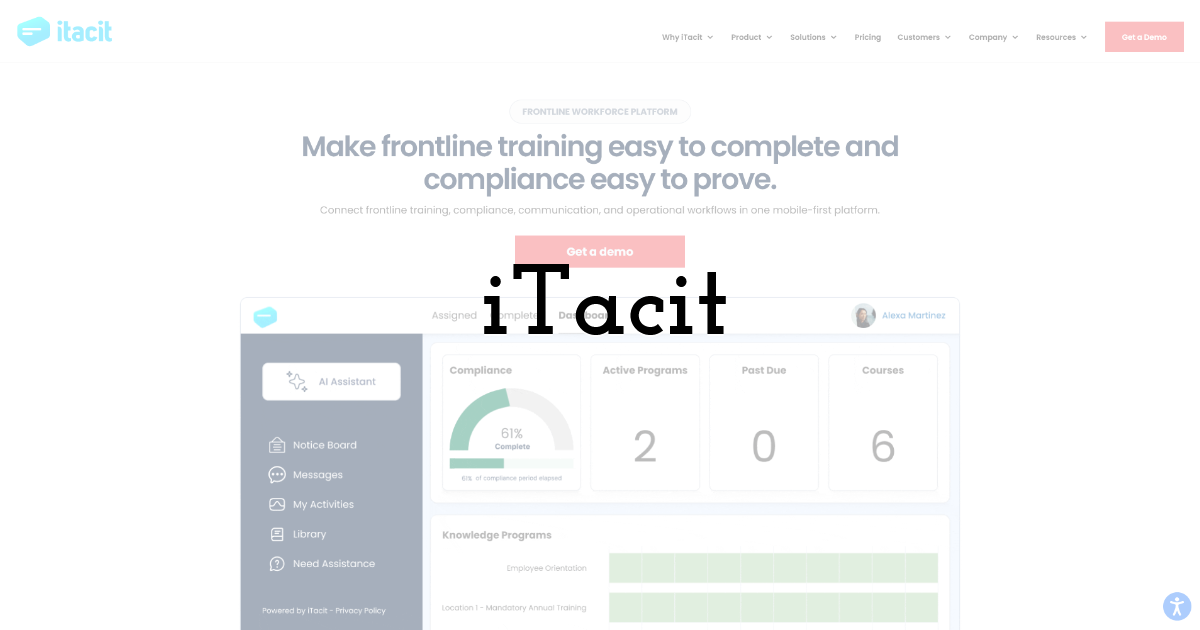
That is where iTacit EHS stands out. iTacit’s EHS software is built around mobile training, digital forms, inspections, audit readiness, and frontline communication, making it a strong fit for HR and safety teams that need one system across multiple locations.
Instead of treating EHS as a separate workflow, iTacit connects safety tasks with the people side of compliance. HR teams can use it to support onboarding, recurring training, policy distribution, and employee updates, while site leaders get better visibility into what has been assigned, completed, or missed. That is especially useful in environments where many workers do not sit at desks or use company email regularly.
Key Features of iTacit
iTacit supports mobile training delivery, digital forms and checklists, targeted frontline communication, and centralized tracking for compliance-related activity. Its platform messaging also emphasizes access for frontline teams without requiring email, which can remove a common barrier for HR and safety leaders trying to reach hourly staff consistently.
Best For
iTacit is a strong option for HR, safety, and operations teams that need to manage onboarding, compliance training, inspections, and employee communication across multiple sites. It fits organizations with frontline workforces in sectors such as healthcare, manufacturing, logistics, utilities, and other high-compliance environments.
Why Choose iTacit
iTacit is worth considering when HR needs EHS software to do more than track forms. It brings training, communication, and field-level compliance activity into one mobile system, which can reduce fragmentation between HR and safety workflows.
For employers trying to improve accountability without adding more disconnected tools, that combination is a practical advantage.
2. Tovuti
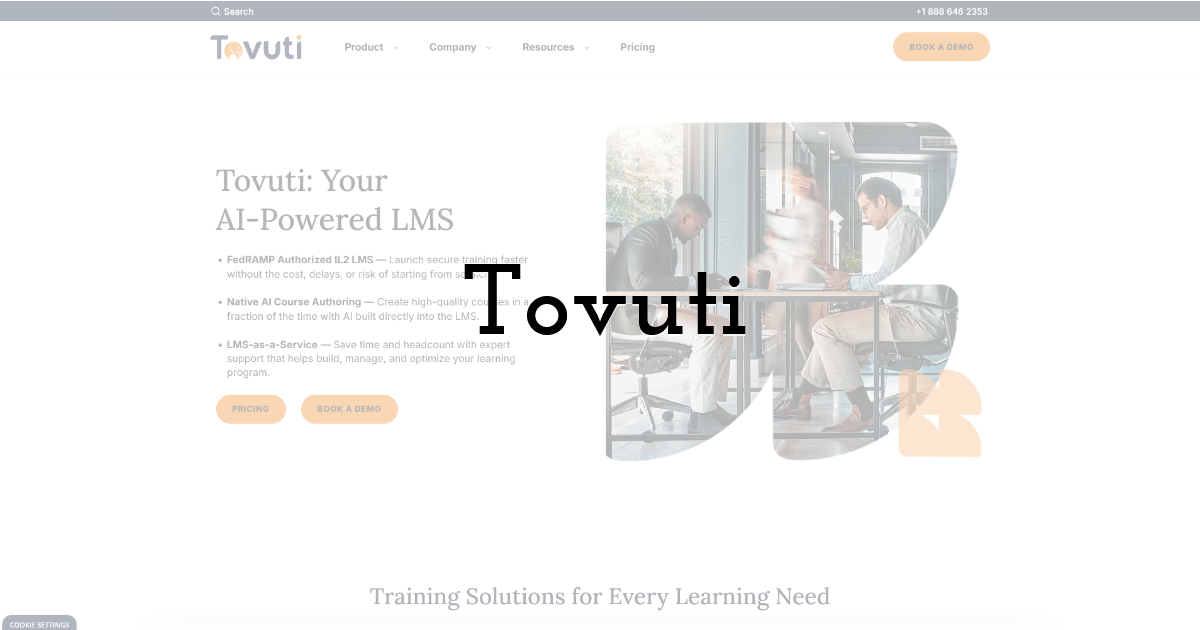
Tovuti is better known as a learning platform, but it can still be relevant for organizations that approach EHS compliance through structured employee training. From an HR perspective, its main appeal is content creation, policy training delivery, and completion tracking in one cloud-based environment.
Key Features of Tovuti
Tovuti offers built-in course authoring, cloud delivery, automation for assignments, and enterprise security support. Its official materials highlight SOC 2 Type II compliance and support for accessibility standards, including WCAG 2.1, which may matter to HR teams managing inclusive learning programs and sensitive employee data.
Best For
Tovuti is best suited to organizations that want to build and manage compliance training internally rather than run a broader EHS operations platform. It can work well for HR and L&D teams that need to deliver safety education, refresher courses, and audit-ready training records across multiple locations.
Why Choose Tovuti
Choose Tovuti when training content creation is the priority. It is a stronger fit for organizations that need engaging compliance learning workflows and want HR, L&D, and safety teams to collaborate in one training system, rather than organizations looking for a field-first EHS tool.
3. Lingio
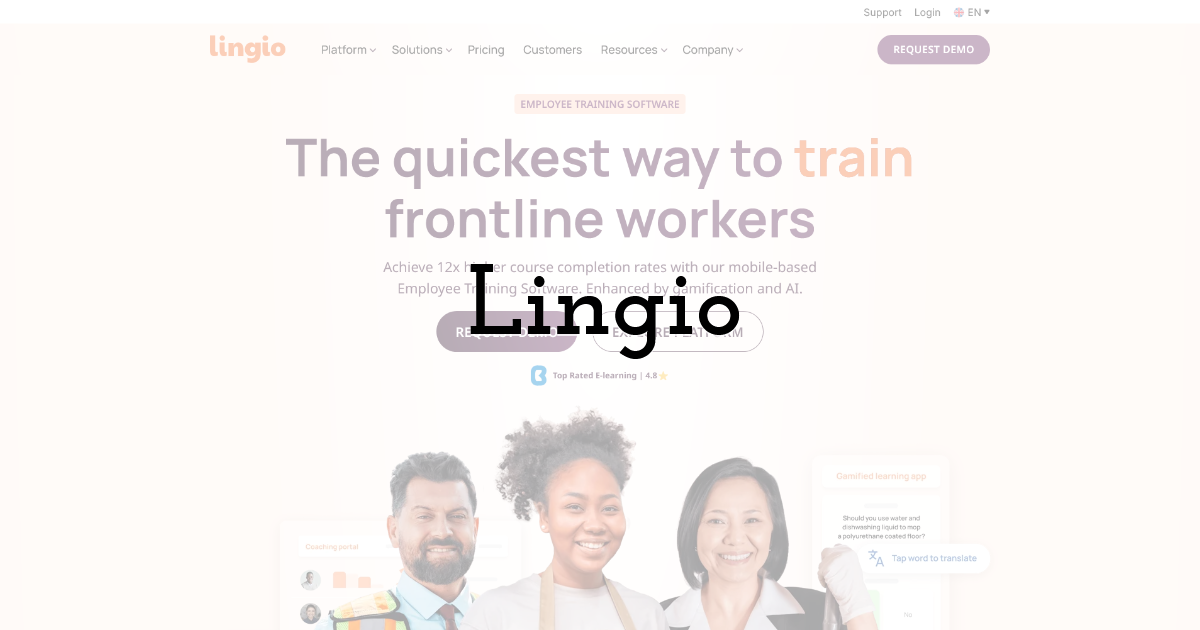
Lingio is a mobile-first training platform built for frontline workers, which makes it especially relevant for HR teams supporting multilingual workforces. In many organizations, EHS compliance breaks down because employees do not receive training in a format or language that matches the realities of their jobs. Lingio addresses that gap well.
Key Features of Lingio
Lingio promotes instant translation in over 100 languages, AI-assisted course creation, mobile delivery, and reporting through its tracking portal. Its official product and FAQ pages also position the platform around accessible, frontline-friendly training experiences.
Best For
Lingio is well suited to organizations with large deskless teams, high turnover, or multilingual workforces where HR needs to simplify onboarding and compliance communication. It is particularly relevant in hospitality, transport, facilities, and other sectors with dispersed employees.
Why Choose Lingio
Lingio is a strong choice when comprehension and completion are the main problems. For HR teams trying to improve policy uptake and safety learning across language barriers, its mobile and multilingual approach is one of its clearest strengths.
4. Continu
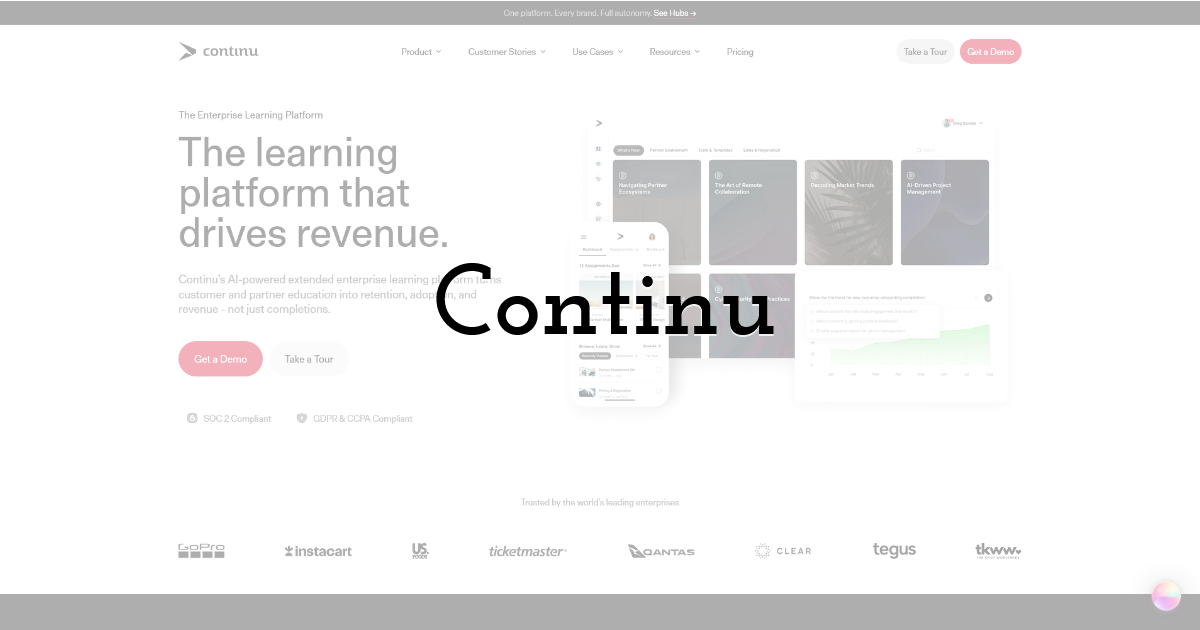
Continu is another training-centered platform that can support EHS compliance through automation. For HR teams, its value lies in assigning the right learning to the right employee based on role, timing, or organizational changes, without heavy manual administration.
Key Features of Continu
Continu’s official product and compliance materials emphasize automated training delivery, AI assistance, reporting, and support for mandatory compliance training. It also offers integrations and assignment workflows that can help HR teams connect training with broader employee lifecycle processes.
Best For
Continu is best for organizations that want to automate recurring compliance learning across departments and sites. It makes sense for HR and enablement teams that need better control over assignments, reminders, and reporting, especially in larger or fast-moving organizations.
Why Choose Continu
Continu stands out for workflow automation. If the biggest pain point is administrative effort rather than field inspections or incident workflows, it can be a useful fit for HR-led compliance training programs. Recent third-party review pages also continue to show strong user ratings, although scores can change over time.
5. ShareKnowledge LMS
ShareKnowledge LMS is positioned around organizations that already rely heavily on Microsoft tools. For HR teams, that can be appealing when adoption depends on fitting compliance training into existing systems rather than asking employees and managers to learn a separate environment.
Key Features of ShareKnowledge LMS
ShareKnowledge is commonly associated with Microsoft 365, SharePoint, and Active Directory-based environments, along with training management and enterprise integration options. That alignment can make deployment easier for organizations that already manage identity, access, and internal workflows within the Microsoft ecosystem.
Best For
ShareKnowledge LMS is a practical option for organizations in regulated industries that want compliance training to sit closer to their existing Microsoft stack. It may suit HR teams that prioritize integration and administration consistency over a more specialized frontline experience.
Why Choose ShareKnowledge LMS
Choose ShareKnowledge when Microsoft compatibility is a major requirement. It is most compelling for organizations that want to extend an established digital workplace rather than introduce a standalone compliance training environment.
6. Saba Cloud
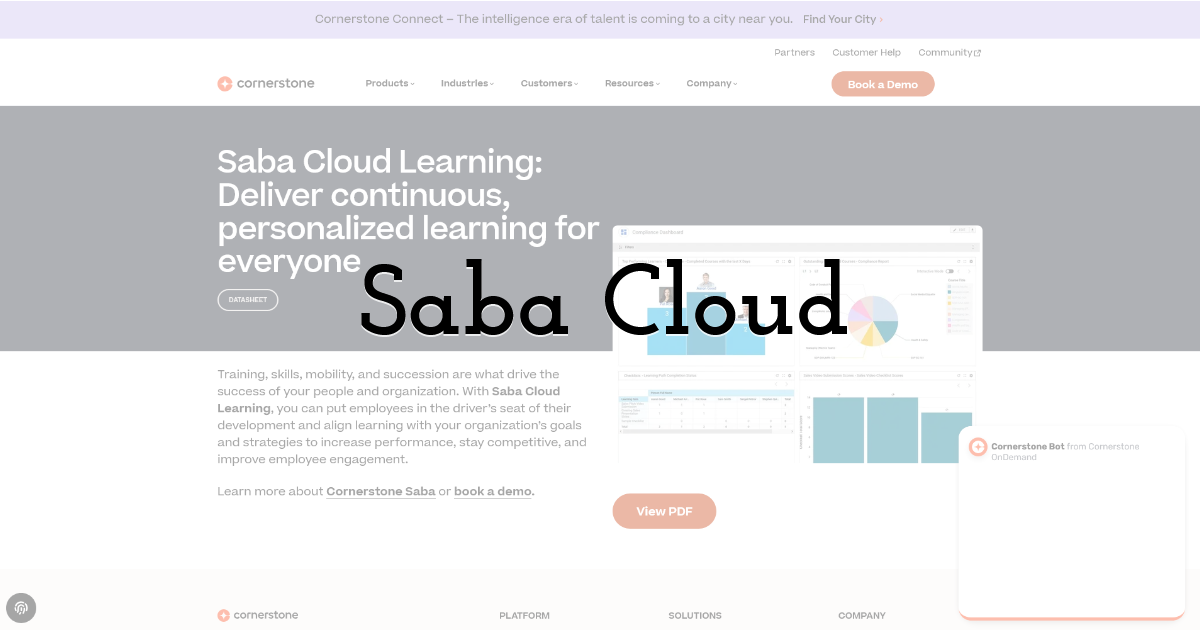
Now part of Cornerstone, Saba Cloud remains a recognizable option for larger organizations managing learning, skills, and workforce development at scale. It is less specialized around frontline EHS workflows, but it can still be relevant where compliance sits within a broader HR and talent strategy.
Key Features of Saba Cloud
Cornerstone’s official materials emphasize learning management, skills development, personalized learning experiences, and workforce agility. That makes Saba Cloud more of an enterprise learning and talent platform than a focused mobile EHS tool, but it can still support compliance training and certification tracking in large organizations.
Best For
Saba Cloud is best suited to mid-size and large enterprises that want compliance training to sit alongside broader learning, development, and succession planning efforts. It is more appropriate for organizations with mature HR systems and complex talent processes.
Why Choose Saba Cloud
Saba Cloud is a better fit when EHS compliance is one part of a larger workforce development strategy. HR leaders who want skills, learning, and compliance to live in the same enterprise environment may find it more useful than teams looking for a simpler frontline-first tool.
Final Thoughts:
Mobile EHS compliance software plays an important role in helping organizations manage training, communication, and accountability across multiple sites. For HR teams, the best platform is usually the one that makes it easier to onboard employees, distribute required content, confirm completion, and support managers with better visibility.
Some tools on this list are stronger for learning automation, while others are better for frontline communication and day-to-day compliance workflows.
iTacit stands out because it connects safety activity with HR priorities such as training, workforce communication, and support for deskless employees, which makes it a sensible choice for organizations that want a more connected approach.
Until next time, Be creative! - Pix'sTory
Recommended posts
-
Top 7 Remote Team Monitoring Software Compared in 2026
Read More › -

8 Digital Marketing Tools That Survive an Honest Audit (2026)
Read More › -

7 Best Photo Recovery Software to get Back Your Images
Read More › -
Top 6 Mobile EHS Compliance Software You Can Use Across Every Site
Read More › -

Boost Your Mobile App Success with Advanced App Monitoring and Competitor...
Read More › -
Custom Software on High Alert: An Active Logic Review for 2026
Read More ›