Decoding the All-in-One Era: How Automation is Reshaping Ad Creation
The Core Problem in Modern Digital Marketing
Digital advertising currently faces a massive exhaustion problem. Social media algorithms demand constant visual novelty to keep users engaged. Human design teams simply cannot design fast enough to feed this hungry machine.
Research indicates that ad fatigue sets in incredibly quickly. A winning creative often loses its effectiveness in just three to five days. Brands are consequently burning cash trying to keep up with this pace.
This dynamic creates a painful bottleneck for media buyers and business owners. They spend more time managing graphic designers than analyzing actual campaign data. The traditional creative workflow is fundamentally broken and unsustainable.
The Cost of Fragmented Workflows
For years, marketers relied on a messy web of disconnected tools. They wrote ad copy in one browser tab and designed visuals in another. Then, they moved to a third software to piece it all together.
Afterward, someone had to manually resize every single image. They needed square posts for Instagram, landscape for Google, and vertical videos for TikTok. This fragmented process kills daily operational efficiency.
It also leaves massive room for human error and mismatched messaging. The industry desperately needed a streamlined, unified solution to survive. The demand for centralized creative hubs became impossible to ignore.
The Industry Shift Toward Automation
We are now witnessing a massive shift toward all-in-one automation. Technology has finally caught up with the frantic pace of digital marketing. Algorithms can now generate both persuasive text and high-quality imagery simultaneously.
This is not just about making things look pretty on a screen. It is about generating visual assets based on strict historical performance data. The tools are learning what actually makes consumers stop scrolling and click.
This transition represents a fundamental change in media buying strategy. Marketers are moving away from gut feelings and subjective design choices. They are leaning heavily on any reliable AI Ad Maker to test concepts at scale.
An Objective Look at Adsmaker.ai
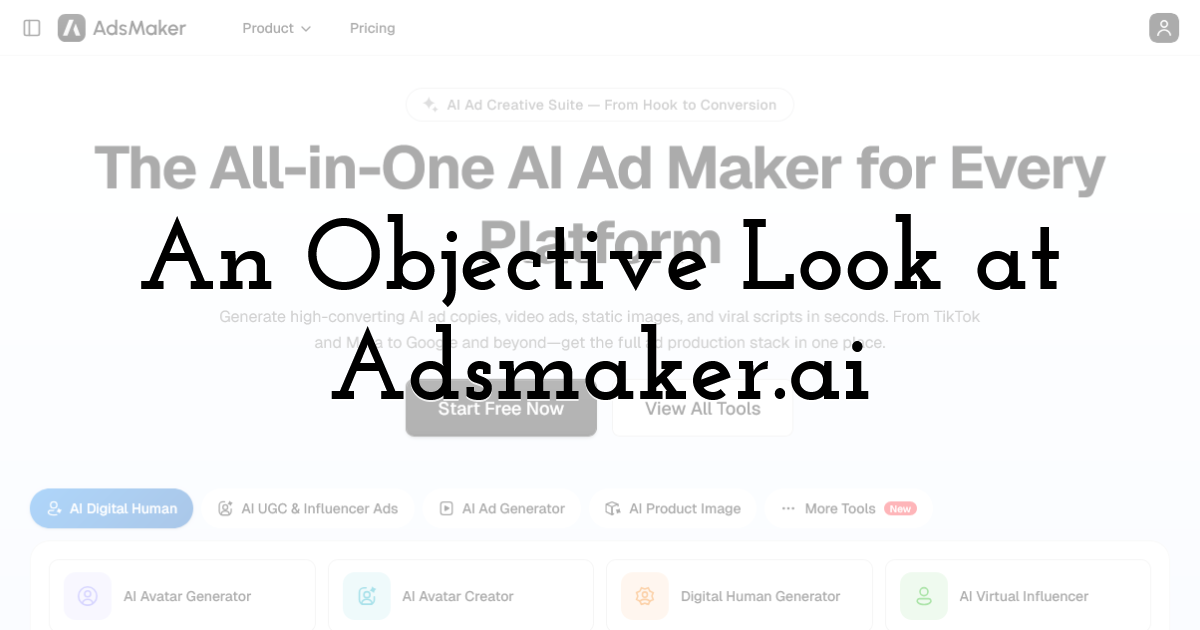
One platform currently navigating this specific space is Adsmaker.ai. It positions itself as a comprehensive, one-stop creative suite for digital marketers. The primary goal is to completely eliminate the friction between ideation and publication.
The platform natively integrates copywriting, graphic design, and format adaptation. It does not require users to possess deep technical design skills or coding knowledge. It relies primarily on simple text-based prompts and URL scanning.
We need to look objectively at what this platform actually does. It is not a magic button that guarantees instant sales or overnight wealth. However, it is a highly efficient, mathematically driven asset generation engine.
Under the Hood: Core Capabilities
The system uses advanced language models to write direct-response copy. It understands the distinct difference between a Facebook headline and a Google search description. It automatically tailors the tone to fit the specific advertising platform.
On the visual side, it generates imagery tailored to specific digital formats. It automatically applies text overlays, call-to-action buttons, and precise branding elements. Everything is formatted correctly right out of the gate, saving hours of manual labor.
Users also have access to massive data-driven design templates. These templates are structurally based on ads that have historically performed well across major networks. It essentially takes the guesswork out of visual hierarchy and layout.
The Behind-the-Scenes Workflow
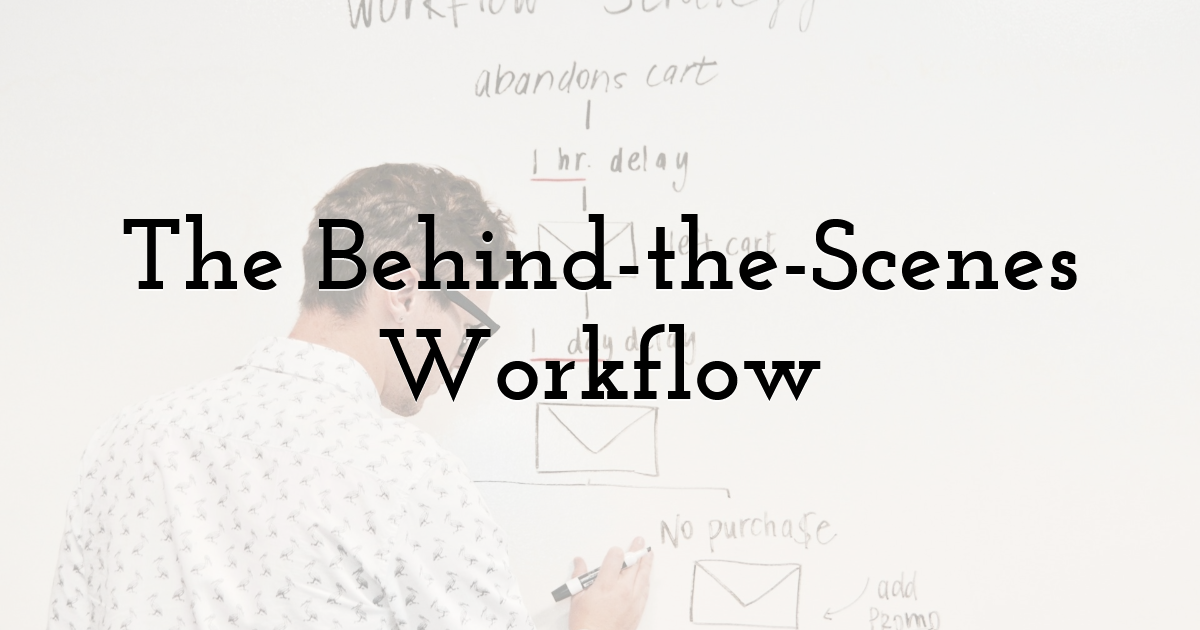
Understanding the actual user journey reveals a lot about the tool's utility. The process typically begins with a simple URL or a short product description. The system then scans the target webpage to automatically extract key selling points.
Next, the engine generates several distinct marketing angles based on consumer psychology. It might create one angle focused on saving money and another focused on premium quality. This gives the media buyer immediate, diverse variety for A/B testing.
Finally, the user selects their preferred visual styles and brand color palettes. The software renders dozens of fully complete ad variations in a matter of seconds. Users can then export these assets directly to their advertising accounts.
Real-World Data and Case Studies
Does this raw speed actually translate to a better return on ad spend (ROAS)? Industry case studies suggest that testing volume directly correlates with lower acquisition costs. A recent internal study showed beta users increasing their creative testing volume by nearly 300%.
By testing more variations, media buyers inevitably find winning ads much faster. One mid-sized e-commerce brand reported a 40% drop in cost-per-click (CPC) after switching to automated generation. They simply found the right message through sheer mathematical volume.
This proves that quantity often leads to quality in the digital marketing ecosystem. An efficient AI Ad Maker facilitates this high-volume testing strategy seamlessly. It entirely removes the traditional financial barrier of producing hundreds of ad variations manually.
The Good, The Bad, and The Realistic
We must evaluate these all-in-one platforms without the usual marketing hype. There are undeniable operational benefits, but there are also distinct technical limitations. A balanced, objective perspective is crucial for any marketing team adopting new software.
The Undeniable Advantages
The primary advantage is pure, unadulterated speed from concept to launch. Campaigns that used to take three weeks of planning can now be launched in a single afternoon. This extreme agility is a massive competitive advantage in crowded markets.
Cost reduction is the second major, quantifiable benefit for businesses. Small teams no longer need expensive agency retainers for basic, daily creative work. Capital is instantly freed up to spend on actual media buying and traffic generation.
Finally, it forces marketers to test without emotional bias. When you don't spend six hours manually designing an ad, you don't get emotionally attached to it. You can ruthlessly turn off losing ads and quickly scale the winners.
The Distinct Limitations
However, these automated tools are far from flawless in their current state. AI-generated text can sometimes sound slightly generic or overly enthusiastic. It often requires a quick human edit to inject true brand voice and cultural nuance.
Additionally, AI image generation can still struggle with highly complex product details. If you sell a highly technical physical product, the AI might hallucinate incorrect physical features. Real product photography is still absolutely necessary as a base layer for the engine.
These platforms also lack true, high-level strategic foresight. They can build the visual assets, but they cannot tell you why a specific audience segment matters. Human strategy and market research remain the most valuable components of successful advertising.
Who Actually Needs This Technology?
Not every single business is the right fit for automated ad generation. Massive luxury brands requiring extreme creative control will likely avoid it for now. Their brand guidelines are often too rigid and nuanced for algorithmic generation.
On the other hand, direct-to-consumer (DTC) e-commerce brands are absolutely perfect candidates. They survive entirely on rapid product testing and dynamic social media engagement. They desperately need high-volume creative output just to survive the algorithm.
Freelance media buyers and small performance marketing agencies also benefit heavily. It allows a solo operator to perform like a fully staffed five-person creative team. This scales their personal output significantly without increasing their monthly business overhead.
Final Thoughts on Marketing Automation
The digital advertising landscape has permanently and irreversibly shifted. The historical barrier to entry for high-quality creative testing is now practically zero. Data and speed have officially replaced subjective opinion in the design process.
We are no longer constrained by the slow speed of manual graphic design. Platforms that offer one-stop, automated solutions are setting a completely new baseline for the industry. If you are not testing creatives at scale, you are actively falling behind your competitors.
Ultimately, the smartest marketers view a modern AI Ad Maker as a powerful assistant, not a full replacement. It expertly handles the tedious pixel-pushing and repetitive formatting tasks. This allows human marketers to focus entirely on high-level strategy, consumer psychology, and profitable business growth.
Until next time, Be creative! - Pix'sTory
Recommended posts
-
4 Ways to Make a Difference to Your Creative Productions Overnight
Read More › -
How to Leverage Influencer Marketing to Grow Your Brand
Read More › -
5 Automated Email Marketing Messages to Keep Customers Loyal to Your Bran...
Read More › -
Five Useful Ways of Successful Art Marketing
Read More › -
Minimalism in App Design: How Does it Boost User Experience
Read More › -
How Brands Can Utilize User Creativity in Social Media Marketing
Read More ›