How Musicians Can Use Audience Data to Plan Better Live Streams
Live streaming gives musicians a way to perform for fans without requiring everyone to be in the same physical location. An acoustic session, rehearsal broadcast, release-day performance, or interactive question-and-answer event can bring an artist and their audience together.
However, the technical ability to broadcast does not guarantee that people will attend.
Musicians still need to decide when to go live, which audiences to prioritize, how to promote the event, and what kind of experience to create.
Audience data can help answer these questions before the stream begins. By combining music listening information with social media insights and direct fan feedback, artists can build a more informed live-streaming strategy.
Start With the Audience, Not the Equipment
Cameras, microphones, lighting, and streaming software are important, but they are not the first decisions an artist should make.
A useful starting point is understanding who the performance is intended for.
An artist with an established fan community might organize an intimate session featuring unreleased music and audience questions. Someone introducing a new project might create a shorter performance designed to attract people who are unfamiliar with their work.
The audience also influences the presentation.
Fans who regularly engage with an artist's songwriting content may appreciate a performance that explains how particular tracks were created. An audience that responds strongly to energetic concert clips may prefer a more performance-focused broadcast.
These are possibilities to test, not assumptions that can be confirmed from follower counts alone.
Before choosing a format, musicians should review recent content performance and consider what their existing audience has shown an interest in watching.
Use Audience Geography to Inform Scheduling
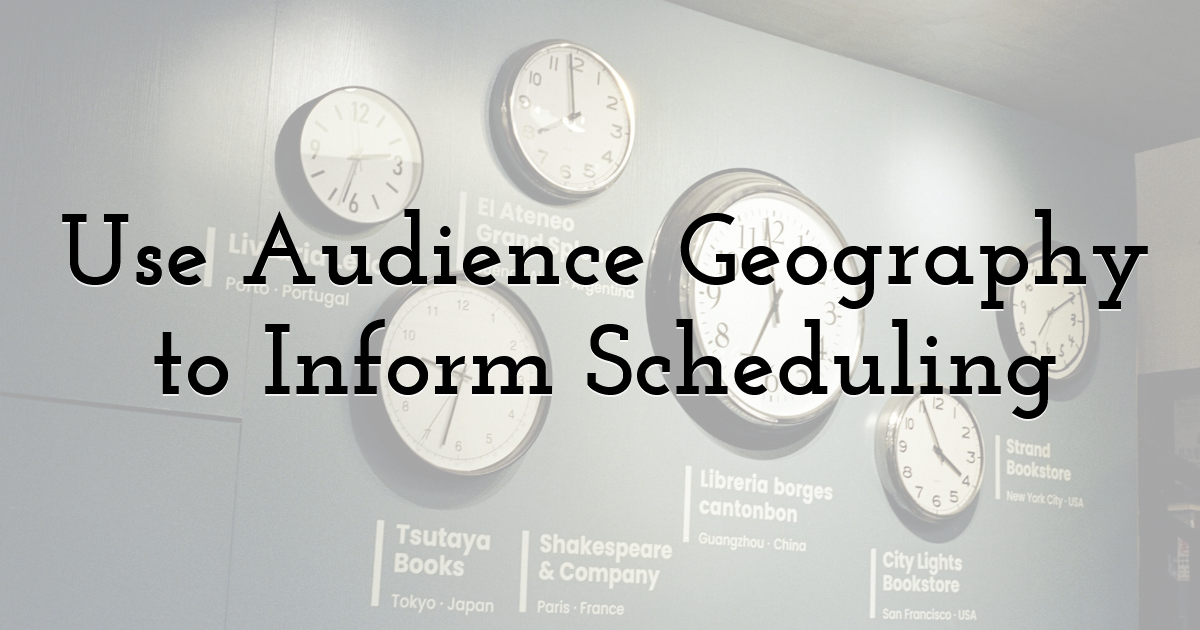
Time zones can create a practical challenge for musicians with international audiences.
A performance scheduled for a convenient evening hour in one country may take place in the middle of the night for fans elsewhere.
Audience geography can help identify the most reasonable scheduling options.
If an artist has substantial listener communities in several countries, the team can compare those markets and choose a time that serves the most important audience segments. When the geographic distribution is particularly broad, multiple broadcasts or an accessible replay may be more appropriate.
Music analytics can support this planning process.
For example, Viberate Audience Analytics provides information about an artist's audience by country and city, along with geographic and demographic insights across supported platforms.
This information helps identify where an artist has listeners and followers. It does not establish the precise hours when those individuals are available to watch a live broadcast.
For that, musicians should also review platform-specific audience activity, previous live-stream attendance, and direct fan responses.
Combining these sources produces a more useful scheduling decision than relying on geography alone.
Choose a Live Format That Fits the Purpose
Not every live stream needs to resemble a traditional concert.
The right format depends on the artist's objective and the relationship they want to develop with viewers.
A release-day broadcast might include an opening performance, a discussion of the new music, and an opportunity for fans to ask questions.
An artist preparing for a tour might stream a rehearsal or share the process behind the live arrangements.
A producer could demonstrate how a track was created, while a singer-songwriter might host a small acoustic session focused on the stories behind individual songs.
The format should also reflect the expected viewing environment.
Short, focused sessions may work well for casual audiences encountering the artist through social media. Longer broadcasts can make sense when viewers already have a strong connection to the performer.
Artists should avoid assuming that a longer broadcast automatically provides more value. Clear structure, reliable sound, and meaningful audience interaction are usually more useful than simply increasing the duration.
Build Promotion Around Existing Audience Behavior
A live stream requires promotion just like an in-person performance.
The difference is that audiences may encounter the event announcement across several digital platforms, each with its own communication style.
An artist could use Instagram for visual announcements and reminders, TikTok for short performance previews, and YouTube for longer promotional content where appropriate.
Streaming data can also help identify which songs are attracting attention. A recent release receiving strong listening activity might provide a useful focus for the event.
The promotion should make the practical details clear: what viewers can expect, when the performance begins, where to watch, and whether a replay will be available.
A countdown, rehearsal preview, or short invitation from the artist can help explain the value of attending.
However, promotional content should be adapted to the audience rather than copied identically across every channel.
The most useful message is often specific. Instead of announcing only that an artist will be live, explain what makes the session worth watching.
Prepare the Technical Experience Carefully
Audience research helps determine the plan, but production quality still affects the viewing experience.
Audio deserves particular attention. Listeners may tolerate modest video quality during an informal broadcast, but distorted vocals or inconsistent sound levels can make a music performance difficult to enjoy.
Before the event, the team should test the full signal path, including microphones, instruments, monitoring, internet stability, and streaming software.
It is also worth preparing a backup connection or recording when possible.
The stream should have a clear opening, planned transitions, and an ending that tells viewers what happens next.
For interactive sessions, assigning someone to monitor comments can allow the artist to focus on performing.
Musicians should also check the relevant platform's rules and rights requirements for any music, recordings, or third-party content included in the broadcast.
A technically reliable performance supports the audience experience that the promotional campaign promised.
Use AI to Prepare Audience Research
Artists and managers increasingly use AI assistants to organize information and prepare promotional activities.
The Viberate MCP Server allows compatible AI assistants to access structured music data, including available artist and audience information.
A manager could use this workflow to compare relevant markets, review an artist's recent performance, or prepare a summary of audience geography before planning a live stream.
These insights can support scheduling and promotional decisions, but they should be combined with live-stream platform analytics and actual viewer feedback. Music audience data is not a substitute for live attendance or watch-time statistics.
Measure the Event and Learn From the Results

After the broadcast, the team should review what happened against its original objective.
A live stream designed to strengthen fan relationships may be assessed differently from one intended to introduce a new release.
Useful broadcast-specific measures include unique viewers, average watch time, peak concurrent viewers, audience retention, and meaningful interactions. The exact metrics depend on the streaming platform.
Artists can also review broader music activity around the event, including changes in social engagement and listening patterns.
These changes should be interpreted carefully. A rise in music streams after a broadcast does not establish that the live performance caused it.
The most useful review combines quantitative results with qualitative observations.
Which moments generated the most audience interaction? Were there technical problems? Did viewers ask for a particular song or format? Did the event reach the intended markets?
The answers can inform the next broadcast.
Make Live Streaming Part of a Broader Artist Strategy
A single broadcast can create a valuable moment with fans. A considered series of performances can help artists develop a more consistent relationship with their audience.
That does not mean every stream should follow the same formula.
An artist might alternate between performances, conversations, production sessions, and release-related events. Audience responses can help determine which formats deserve further attention.
The essential process remains straightforward: understand the audience, set a clear objective, choose a suitable format, promote the event, and evaluate the results.
Live streaming works best when technology supports a meaningful musical experience. Audience data helps musicians make more informed decisions about how to create that experience.
Until next time, Be creative! - Pix'sTory
Recommended posts
-

The Timeless Beauty of Black and White Photography
Read More › -
The Top 8 Free Voice Changer Apps for Online Chats, Streaming, and Gaming
Read More › -

How to Easily Create Content for Your Blog with AI Technology
Read More › -
GIFs and Banners in Email: Sizes, File Weight and Outlook Fallbacks
Read More › -
Nextify.ai Review: A Practical Look at an AI Avatar Video Generator in 20...
Read More › -

4 Ways to Use Pyramid Diagram in Your Business Presentation
Read More ›