How to Style Flat-Lay Product Photos Professionally
In today’s highly photo-saturated online world, flat-lay photography remains one of the most effective methods for product display. This statement is true whether you are speaking about online retail sites or social media pages, advertising, or online lookbooks.
Its timelessness has much to do with the fact that the flat lay photography setup has many uses. This style of product photography allows consumer goods companies to showcase their products while also incorporating other elements of style and interest. This makes flat lays that are visually appealing, both aspirational and attainable, and minimalistic yet full of detail. They become stop-scrolling action pieces that represent quality before any text has been read.
Branding in a saturated web environment, such as this, extends beyond visual-to-remain-appreciated considerations, including flat-lay photography, and moves into the realms of influence. This is because, through such photographic styling, purchasing choices can be subtly guided.
The Psychology of a High-Converting Flat Lay
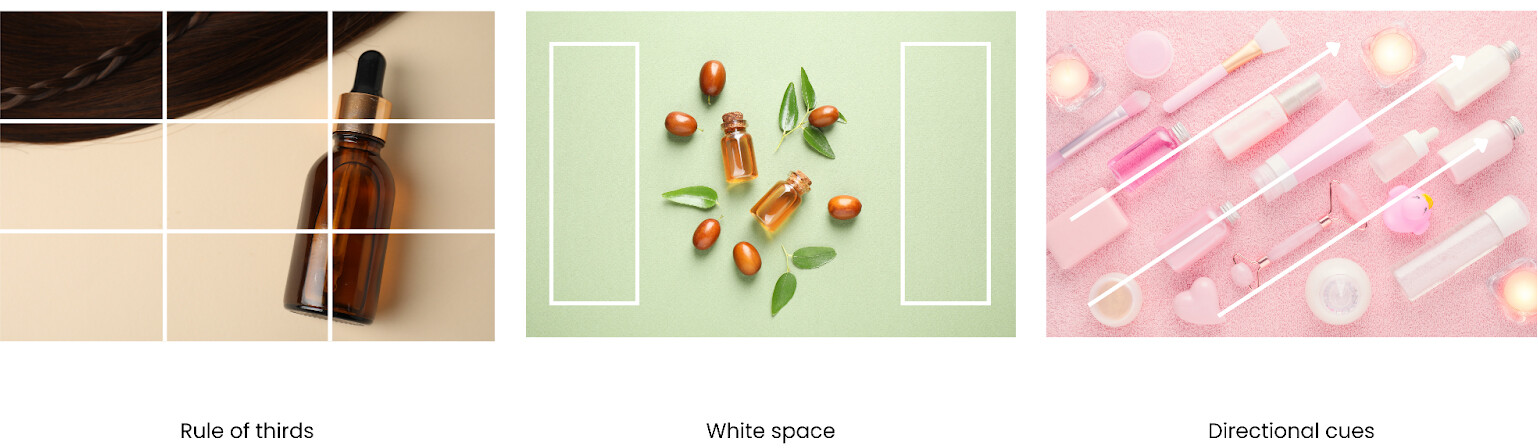
An understanding of how human beings process visual information is the basis of good flat lay product photos. That’s why giving value to composition is more than just about balance; it is also about how people behave with visual imagery.
The Importance of Layout
Studies have indicated that human beings form a first impression of the visual image within the first 50 milliseconds. Moreso, visual complexity and familiarity both contribute to the perception of the appeal and usability of the visual image. For this reason, a flat lay photography setup must provide the human eye with immediate direction.
The Psychological Principles at Work:
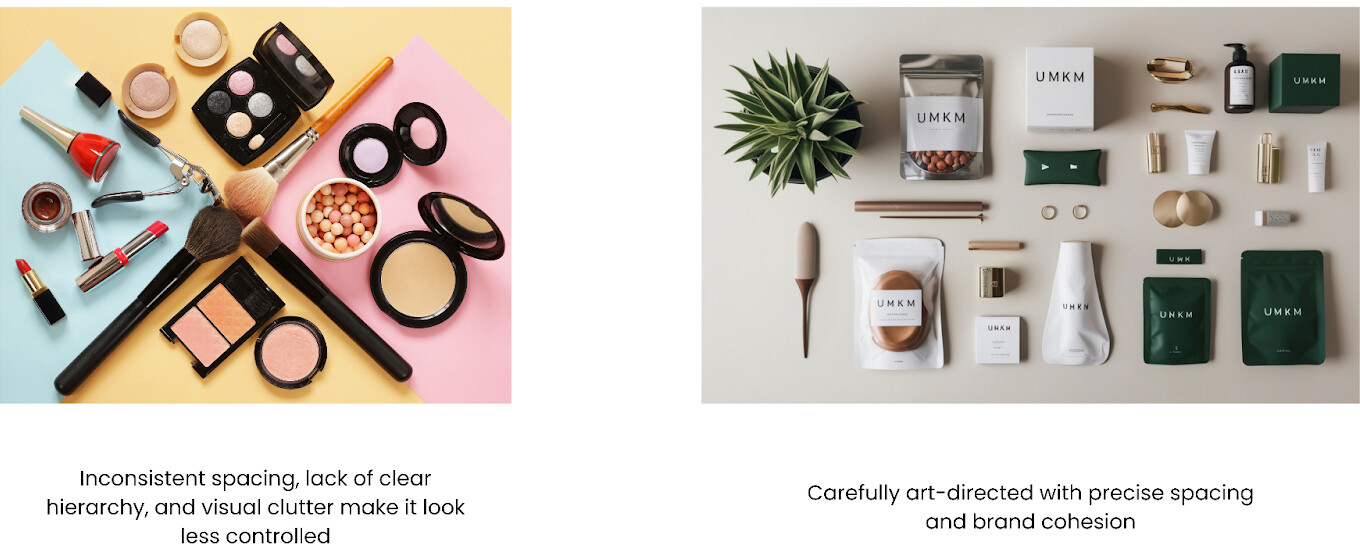
- • Visual Hierarchy: A photograph should register the product as the central focus while avoiding the clutter placement of elements.
- • Balance of Space: Even with an imbalanced layout, an image should not feel chaotic.
- • Emotional Cues: Props, color, and texts can have a subtle influence on a person’s perception of the product, its quality, lifestyle, and mood.
Design Considerations for Mobile Viewers
Most flat lay photography is likely viewed by consumers using a mobile platform, where there is a shorter attention span and smaller screens. Hence, the layout patterns used, such as the F-pattern, are applicable. Studies emphasize that when scanning a layout, consumers are typically drawn to the top of the composition from left to right and bottom up. Hence, the placement of the product is extremely important.
To ensure the best visual impression possible, place the most significant product slightly off-center or in alignment with the typical and natural eye paths, and avoid placing your image amidst too many props. The goal of strong flat lay photography is to produce a composition that directs the viewer’s attention without demand.
Choosing Props with Purpose: Styling that Sells

A product's success will be determined by the way that props are used and what you intend to convey through them. The purpose is to provide a sense of scale, usage, and mood for the product being photographed, and not to compete for the viewer's attention.
The "hero product" principle is a guideline that applies to every product flat lay, allowing for just one dominant product, with props supporting it in some way.
The overall goal of using props is to give the viewer added value and to communicate the intended mood or usage of the product while not competing with the hero product.
When selecting props for your flat lay product photography, you should consider the following:
- • In terms of color, always keep it consistent.
- • Establish a theme for your photos and use that to dictate the overall look of your product photography.
- • Use only two or three complementary colors in your photography to keep the picture looking clean and professional.
Styling pitfalls to avoid when developing your flat lays:
- • Do not overcrowd the image with props.
- • Do not mix textures and colors that are unrelated to your product.
- • Do not use props that are currently in vogue or might go out of style quickly.
Always remember: The best flat lay photography ideas are usually borne out of simplicity.
Flat Lay Composition Techniques for Different Niches
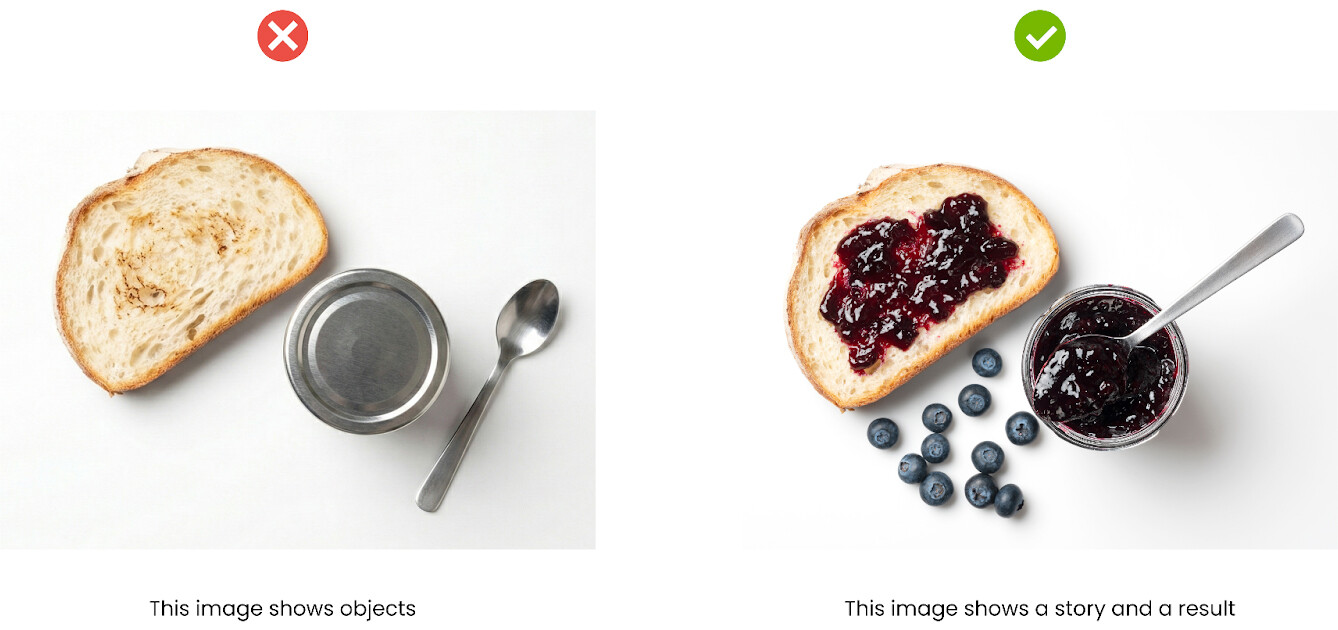
You should plan your photographs based on your product category, target audience, and where you want your work to be displayed. If you are aware of how others in the same niche are using visual communication, it will be easy to determine which types of layouts will be considered "natural and convincing" as opposed to being done simply for aesthetics.
Fashion:
- • When creating a flat lay for clothing, the “structure” of the pieces and accessories is extremely important to show craftsmanship and material selection.
- • Intentionally placing items to show spacing, folds, and alignment will allow your viewer to quickly and easily see all of the elements that make up the item.
- • Utilizing grid-based or diagonal layouts will help visually create “order,” allowing the viewer to see texture, color, and shape (silhouette) at a glance. In this case, utilizing negative space to frame premium items will elevate them, as opposed to making them look "stuffed."
Food:
- • When making a flat lay for food, the layout should be as “alive” as possible.
- • For example, with food, overly rigid designs make food look “staged” and/or “unappetizing.”
- • To achieve a fresh and realistic look with your food flat lay, you should use an arrangement of items that overlap each other and have some degree of imperfection.
- • The ideal food flat lay ideas typically convey activity (such as “scooping,” “a bite,” and/or some pieces) while not being overly busy within the frame.
Beauty:
- • Minimalism is a prominent way of instilling trust within the skincare and beauty industry.
- • To create trust through your images, you can use clean layouts, soft shadows, and subtle props.
- • Symmetrical and patterned layouts are often used for flat lays because they convey an orderly and soothing feeling to the viewer, which makes sense for brands dedicated to health and well-being.
- • Having a deliberate layout of a flat lay photograph is essential in achieving both an image where the labels are easily visible and a photograph that tells a story through the image.
Technology:
- • For technology-based products, clarity should be the main focus when photographing these items.
- • The shape of the product, the accuracy of the engineering, and the overall capabilities of the device should all be highlighted.
- • Flat lays for technology typically have a structured and defined style, demonstrating straight lines and highly controlled lighting.
- • Props tend to be used minimally, primarily to demonstrate scale or usage rather than to create a mood.
Lighting & Backgrounds: The Unsung Heroes of Flat Lays
Many people do not realize how much the lighting and background in a flat lay can influence whether or not it has a professional appearance. Mood, depth, and the perceived value of the products all depend on the choices made about these things.
Natural light is still the best choice for most flat lay photography because of the way it creates soft shadows that provide depth and dimension. This type of lighting adds a profound asset and dimension without being overly bright, making it perfect for products that focus on lifestyle. Thus, in order to achieve consistency, you should shoot at the same time of day and also use diffs to control highlight levels.
With artificial lighting, you can achieve precise control over the look you want for your product. For brands that have a high volume of flat lay photography needs, artificial lighting will allow you to achieve uniform exposure from shoot to shoot. Depending on how many images are being created, you will opt to select between the flexibility of softboxes or LED lighting so you can easily maintain consistent exposure for visual merchandising and marketplace displays.
Moreover, the backgrounds of images are just as important to consider in storytelling.
- • Marble surfaces convey luxury through their clean designs.
- • Linens evoke warmth and tactile connection.
- • Seamless paper provides a blank slate with no distractions at all.
Selecting an ideal background allows your product to be the primary subject of the image.
In addition, contrast is paramount for images. This aspect helps to separate the appearance of products from other elements shown in the image. When the tones for background and product are very similar, the image loses visual separation. Providing contrast will enhance clarity, giving the viewer enough separation to readily identify the product.
Brands that need consistency in their output can use a Removal.AI background remover tool or export images with a clean background to achieve consistent images while maintaining styling intent.
Editing for Style Consistency
Through editing, flat lay photography can become part of your brand’s overall credible identity and not be about turning your product into something else. Simply, it’s about taking what is already there and making it fit into your brand's current visual style.
- • The first step in developing your editing workflow is to adjust the image's exposure and white balance. These adjustments will provide a foundation for accurately representing the colors of the product.
- • The next step is to make subtle adjustments to contrast and shadow depth, which will give the photograph additional dimension without making it appear artificial.
- • When color correction takes place, always ensure a realistic appearance, especially for e-commerce-related flat lay product photography, as the accuracy of the color will impact the consumer's perception and credibility of the product.
To produce images efficiently, batch editing tools are necessary. Tools such as Lightroom help image creators apply the same color correction adjustments across multiple images, maintaining a consistent tone across a campaign.
For quick adjustments, mobile-based tools like Snapseed are also useful, but primarily for social media-related images. For brands that produce large quantities of imagery, creating post-production workflows that incorporate image editing and remove bg software can streamline the process while maintaining a consistent style across all platforms.
Furthermore, consistency is key. According to the research from Adobe, brands that have the same style across all platforms can see up to a 20% increase in revenue, further proving that the practice of committed editing is of great value for ongoing success within an organization.
When you're editing product flat lay photos, refer back to all of the previous shoot images. Consistency over the passage of time lends to building a unique signature that solidifies brand loyalty & familiarity with consumers.
Common Flat Lay Mistakes to Avoid

When planning a flat lay photo shoot, it is easy to overlook some common mistakes that could lead to problems with the final images if you do not address them before shooting.
- • Over-editing: Many people make the mistake of over-editing their photos, which can create an overly sharpened, high-contrast, or saturated look that appears artificial and will damage your product’s credibility.
- • Bad Shadows: Another common problem is improper shadow control. Shadows can create visual distractions from your product and disrupt the overall composition. Changing the angle of light or using a diffuser to soften the light source is an easy way to improve the quality of your photos.
- • Size Inconsistencies: It is also common for new photographers to overlook inconsistencies in item size. When shooting products at different scales, it breaks up the visual flow and consistency of your brand presentation.
- • Lack of Focus: Another major mistake that can harm your overall flat lay ideas is not having a well-defined focal point. If there isn’t a clear focal point in your photo, the viewer will not know where to look first. Flat lay photography ideas with the strongest impact typically use hierarchy to direct the viewer’s eye first to the product, then to the supporting elements around it.
With proper preplanning and preparation, most of the above-mentioned mistakes can be avoided. That's why a properly planned flat lay photo shoot will save you time in post-production and help you yield better and more intentional photographs.
Final Thoughts: Start Flat Laying Like a Pro
In order to succeed with flat lay photography, one must find a balance of creativity, discipline, and strategy. The best-looking flat lays do not happen by chance but are developed using intentional composition, thoughtful and controlled lighting, and consistent editing to support a visual identity for the brand.
As you begin to delve into flat lays, consider not only how these individual images will function but also how they will live within an entire content ecosystem—ranging from social media to e-commerce product pages over a white background or minimalist template. Remember: visual consistency makes an impact on buyer confidence and perceived professionalism.
Besides, your future shoots should include revisiting the overall visual strategy of the brand, particularly how flat lay photography affects how buyers view your products and ultimately make purchases.
After all, a combination of practice, intentionality, and a clearly defined styling checklist helps you elevate your flat lay photography as opposed to random "creative" guessing. By continuing to cultivate this methodology over time, you will generate consistently polished, purposeful, and commercially successful flat lay photography ideas.
Until next time, Be creative! - Pix'sTory by JO Medina
He is a content writer with a passion for technology, social media, and pop culture. His industry insights set benchmarks in digital marketing, providing valuable perspectives to help emerging brands and businesses grow.
Recommended posts
-

Photo Essay Ideas for Students: Visual Storytelling 101
Read More › -

From Event Snapshot to Marketing Visual: Rescuing Photos Before You Desig...
Read More › -

Upscaling Images for Instagram Without Losing Quality
Read More › -

7 Best Photo Recovery Software to get Back Your Images
Read More › -
Krea.ai or Midjourney? Full Platform Comparison
Read More › -

Your Guide to Starting a Photography Career
Read More ›