Why the Best Ad Stopped Working
A small leather goods brand had one ad that outperformed everything else it ran. A phone-shot clip of a wallet sliding into a back pocket, eight seconds long, with a line of text about how thin it was. For six weeks, it brought in customers at about $14 each.
By week nine, the same ad was costing $41 per sale. The founders blamed rising ad prices, then their landing page, then a competitor. The actual cause showed up in a column they hadn’t been watching: the average person in their audience had now seen the ad seven times.
Why Good Ads Wear Out
Meta creative fatigue follows a fairly predictable pattern. Frequency climbs as the platform keeps showing a winning ad to the same people. Click-through rate starts sliding, often 20 to 30 percent below its peak. Then cost per purchase rises, sometimes sharply, because the platform has to pay more to reach people who haven’t already ignored the ad several times.
Not every slump is fatigue, though. A drop that hits all your ads at once points elsewhere, like a seasonal dip, a price change, or a broken checkout page. Fatigue shows up ad by ad, and it tracks closely with frequency.
Check frequency and click-through rate weekly for each active ad. For cold audiences, a frequency above three or four usually signals it’s time to rotate.
Variety That Actually Counts
Many small brands respond to Meta creative fatigue by changing the background color or swapping the headline. Those variations barely register with viewers, and the ad delivery system tends to treat near-duplicates as the same ad.
New concepts work better. The leather brand built five different approaches around the same wallet. A close-up demonstration of the stitching and card slots. A side-by-side comparison with a bulky old wallet. A customer reading her own review on camera. A 15-second clip of the founder cutting leather in the workshop. And a simple product photo with a price and a discount.
Each one opened differently in the first two seconds, which is where most viewers decide whether to keep watching.
They now introduce two new concepts every three weeks and retire ads as their numbers decline. Most shoots happen on a phone, in natural light, in under an hour. Polished studio footage rarely beats a clear, honest clip on social feeds.
Marketplace Listings Play by Different Rules
The same brand sells factory seconds and discontinued styles on a marketplace, and the visual rules there are almost the opposite.
Ad viewers are scrolling past. Marketplace shoppers are searching, and they compare a grid of thumbnails side by side. The first photo decides whether someone clicks at all.
Sellers trying to get more views on eBay should start with that first image. The product should fill most of the frame against a plain, light background, lit evenly with no harsh shadows. Use every photo slot the listing allows. Show the back, the inside, the edges, and a close-up of any flaws. For seconds, a clear photo of the small scratch that made it a second builds more trust than any description.
Scale helps too. A wallet photographed next to a credit card answers the size question before a buyer has to ask.
Titles carry equal weight. Buyers search by material, color, style, and size, so the title should use the exact words they type rather than brand slogans. The listings that get more views on eBay are usually the ones with clear photos and plain, searchable titles, not the cleverest ones.
One Shoot, Two Uses
Planning shoots for both channels at once saves time. The leather brand films ad clips first, while the light is best, then shoots clean listing stills of every item on the same setup. A three-hour session now produces two weeks of ad concepts and photos for 40 listings.
Track What Each Visual Earns
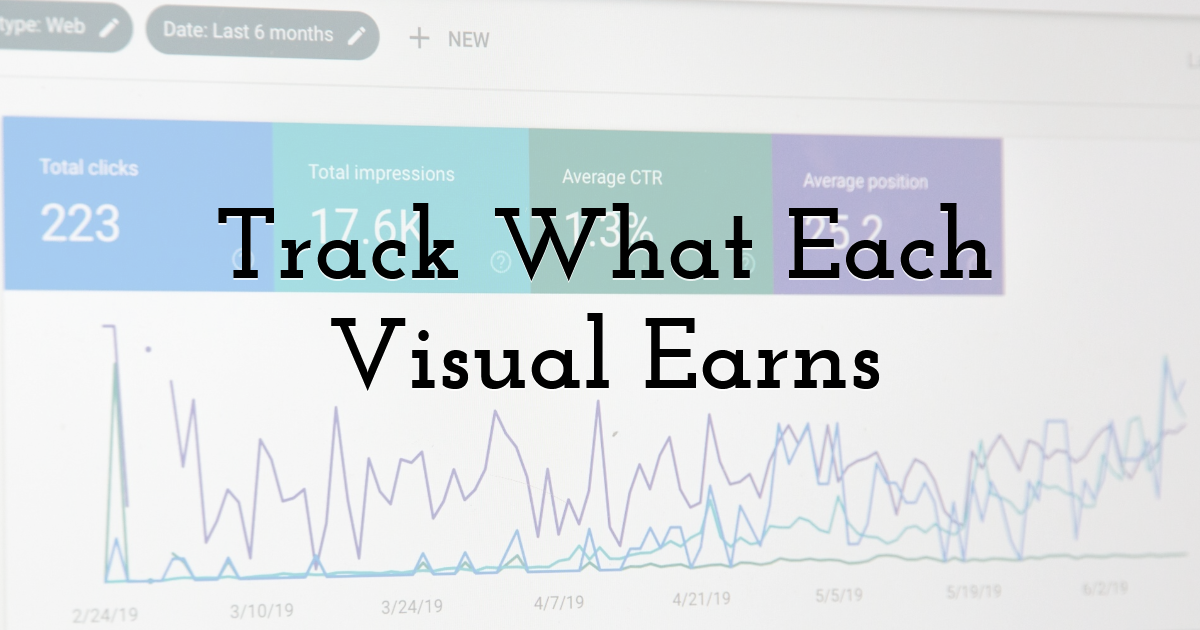
Keep a simple log of every ad concept with its launch date, peak performance, and how many weeks it lasted. Patterns appear quickly. For the leather brand, founder-in-the-workshop clips lasted twice as long as product close-ups before wearing out.
Nine Weeks of the Same Wallet
The original pocket ad still runs, about one week in four, rotated with newer concepts. Its cost per sale is back near $15. The founders never changed the ad itself. They just stopped asking the same people to watch it for the eighth time.
Until next time, Be creative! - Pix'sTory
Recommended posts
-
Decoding the All-in-One Era: How Automation is Reshaping Ad Creation
Read More › -
Why the Best Ad Stopped Working
Read More › -

Using AI in Digital Marketing to Scale Your Business
Read More › -

How Digital Marketing Automation can Get You Converting Leads
Read More › -

How Are Brands Using Virtual Reality Assets?
Read More › -
The Secret of Killer Marketing: Email and Instagram Give Benefits When Wo...
Read More ›