AI Interview Tool vs. Traditional Interview Process: Pros and Cons
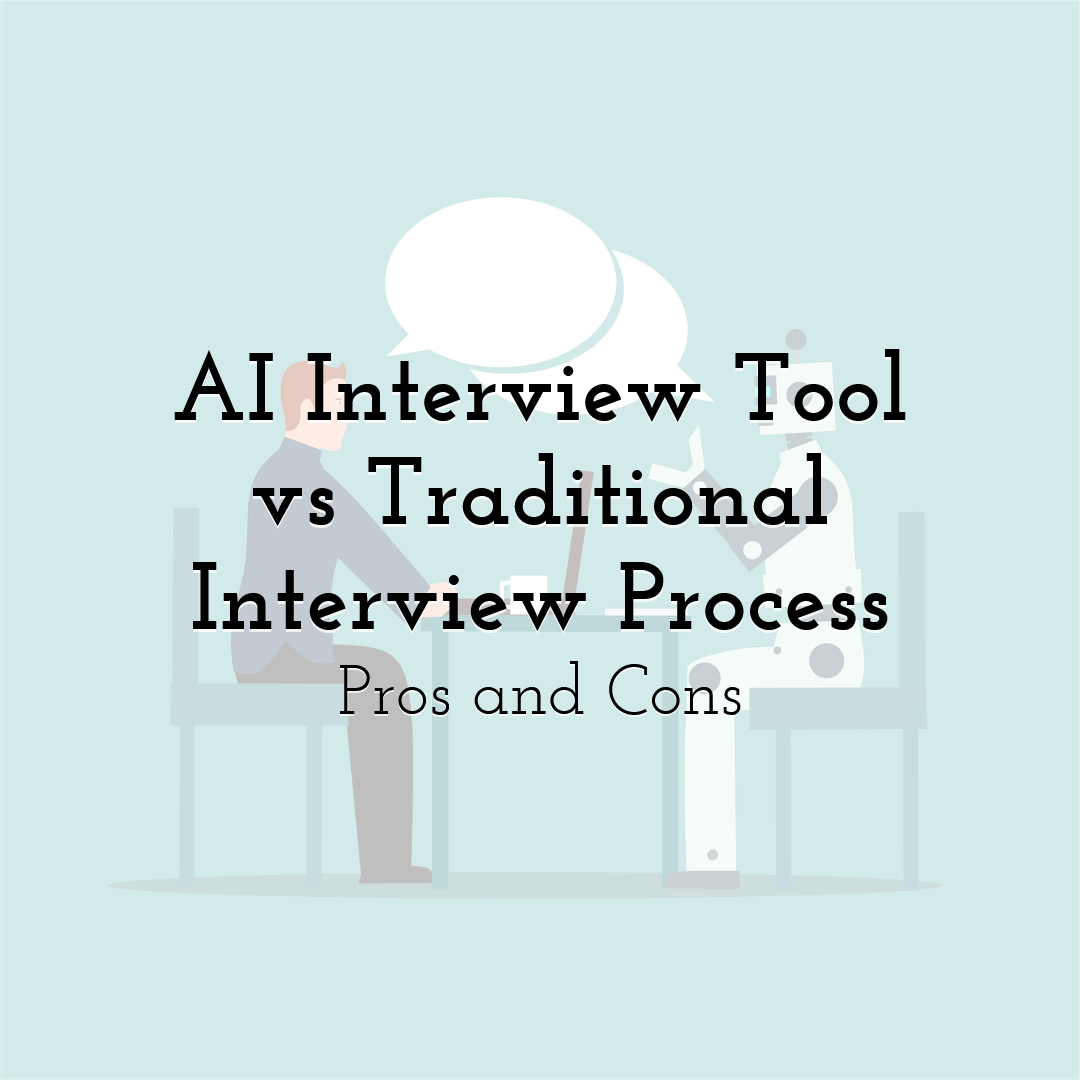
Quick answer: AI interview tools use automated systems, natural language processing, and sometimes video or voice analysis to screen and evaluate candidates at scale, offering speed, consistency, and lower cost. Traditional interviews rely on human recruiters and hiring managers, offering deeper emotional intelligence, contextual judgment, and relationship building, but at the cost of speed and scalability. Most companies now use a hybrid model, applying AI tools for early screening and human interviewers for final decision-making rounds.
What Is an AI Interview Tool?
An AI interview tool is software that automates part or all of the candidate evaluation process. This can include resume screening, structured video interviews, chatbot-based question and answer sessions, skills assessments, and automated scoring based on predefined criteria. Some tools also analyze speech patterns, word choice, and response timing to generate a candidate score.
These tools are typically used earlier in the hiring funnel, helping recruiters filter large applicant pools before human interviewers get involved.
What Is a Traditional Interview Process?

A traditional interview process involves human recruiters, hiring managers, or panels directly interacting with candidates. This can happen over the phone, via video call, or in person. It usually includes multiple rounds such as a screening call, a technical or skills round, and a final interview with senior stakeholders.
The traditional process depends heavily on human judgment, intuition, and interpersonal evaluation, things that are harder to standardize but often considered essential for senior or culture-sensitive roles.
AI Interview Tools: Pros
1. Speed and Efficiency
AI tools can screen hundreds or thousands of applications in the time it takes a human recruiter to review a handful. This is especially valuable for high volume roles such as customer service, retail, or entry level positions where companies may receive an overwhelming number of applications for a single opening.
2. Consistency in Evaluation
Human interviewers can have inconsistent moods, energy levels, or unconscious preferences from one interview to the next. AI tools apply the same evaluation criteria to every candidate, which can reduce variability in scoring, though it does not eliminate bias entirely, since AI models are trained on historical data that may itself contain bias.
3. Lower Cost Per Hire
Automating early stage screening reduces the number of recruiter hours spent on candidates who are unlikely to move forward. This can lower the overall cost per hire, particularly for companies scaling their hiring rapidly.
4. Scalability
AI interview tools make it possible to run parallel interviews at any time of day, without needing to coordinate multiple human interviewers' schedules. This is particularly useful for companies hiring across different time zones or countries.
5. Data and Analytics
Most AI interview platforms generate structured data on candidate performance, allowing hiring teams to compare applicants side by side using consistent metrics rather than relying purely on interviewer notes and memory.
AI Interview Tools: Cons
1. Limited Emotional Intelligence
AI systems struggle to interpret nuance, sarcasm, cultural context, or the kind of rapport building that experienced human interviewers use to assess soft skills like leadership potential or team fit.
2. Risk of Algorithmic Bias
If an AI model is trained on historical hiring data that reflects past biases, it can unintentionally replicate or amplify those biases. Several organizations have raised concerns about AI hiring tools disadvantaging candidates based on accent, speech patterns, or non-traditional career paths.
3. Candidate Experience Concerns
Some candidates report feeling uncomfortable or disengaged when interacting with an AI system instead of a human, particularly for senior roles where personal connection matters. A poor AI interview experience can also affect employer brand and candidate willingness to accept an offer later.
4. Limited Context Understanding
AI tools generally evaluate what a candidate says rather than the full context of their situation, career gaps, unconventional experience, or unique achievements that a human interviewer might understand and value appropriately.
5. Legal and Compliance Risk
Some regions have introduced regulations specifically governing the use of AI in hiring decisions, requiring disclosure, audits, or candidate consent. Companies using AI interview tools need to stay updated on local employment law to avoid compliance issues.
Traditional Interviews: Pros

1. Deeper Human Judgment
Experienced interviewers can read body language, tone, and subtle cues that AI systems currently cannot reliably interpret. This is particularly valuable for leadership, client facing, or highly collaborative roles.
2. Relationship Building
Traditional interviews allow candidates to build a genuine connection with the company, ask nuanced questions, and get a feel for team culture, something that strongly influences whether a candidate accepts a job offer.
3. Flexibility in Conversation
Human interviewers can adapt questions in real time based on a candidate's answers, exploring interesting points further or clarifying ambiguous responses in a way that scripted AI tools often cannot.
4. Better for Complex or Senior Roles
For roles requiring judgment, strategic thinking, or cultural alignment at a leadership level, human evaluation remains the more trusted method for most organizations.
Traditional Interviews: Cons

1. Time Consuming
Coordinating interview schedules, conducting multiple rounds, and gathering feedback from several stakeholders can significantly slow down the hiring process, sometimes costing companies strong candidates to faster moving competitors.
2. Inconsistent Evaluation
Different interviewers may ask different questions, weigh answers differently, or be influenced by unconscious bias, leading to inconsistent hiring decisions across candidates.
3. Higher Cost
Traditional interviews require significant recruiter and hiring manager time, which becomes expensive at scale, especially for companies hiring hundreds of employees per year.
4. Limited Scalability
It is difficult for human teams to interview large volumes of candidates quickly without either burning out recruiters or extending the hiring timeline substantially.
Which One Should You Use?
Most hiring teams are not choosing one over the other. A hybrid model is becoming the standard approach: AI interview tools handle initial screening and skills assessment, while human interviewers focus on final rounds, cultural fit, and leadership evaluation. This combination allows companies to move quickly through large applicant pools while still preserving the human judgment needed for important hiring decisions.
Until next time, Be creative! - Pix'sTory
Recommended posts
-

6 Reasons Why You Need to Get Onboard with Ecommerce
Read More › -

Best AI Tools to Fix Blurry Images
Read More › -
JoggAI Podcast Generator Review: Is This AI Tool Worth It?
Read More › -

How to Add an Anime Filter to Your Videos
Read More › -

Best AI Photo Editors
Read More › -

Why Every UX Designer Should Care About the Domain Name Search Process
Read More ›