Mastering Visual Storytelling with AI-Driven Fashion Photos and Animated Elements
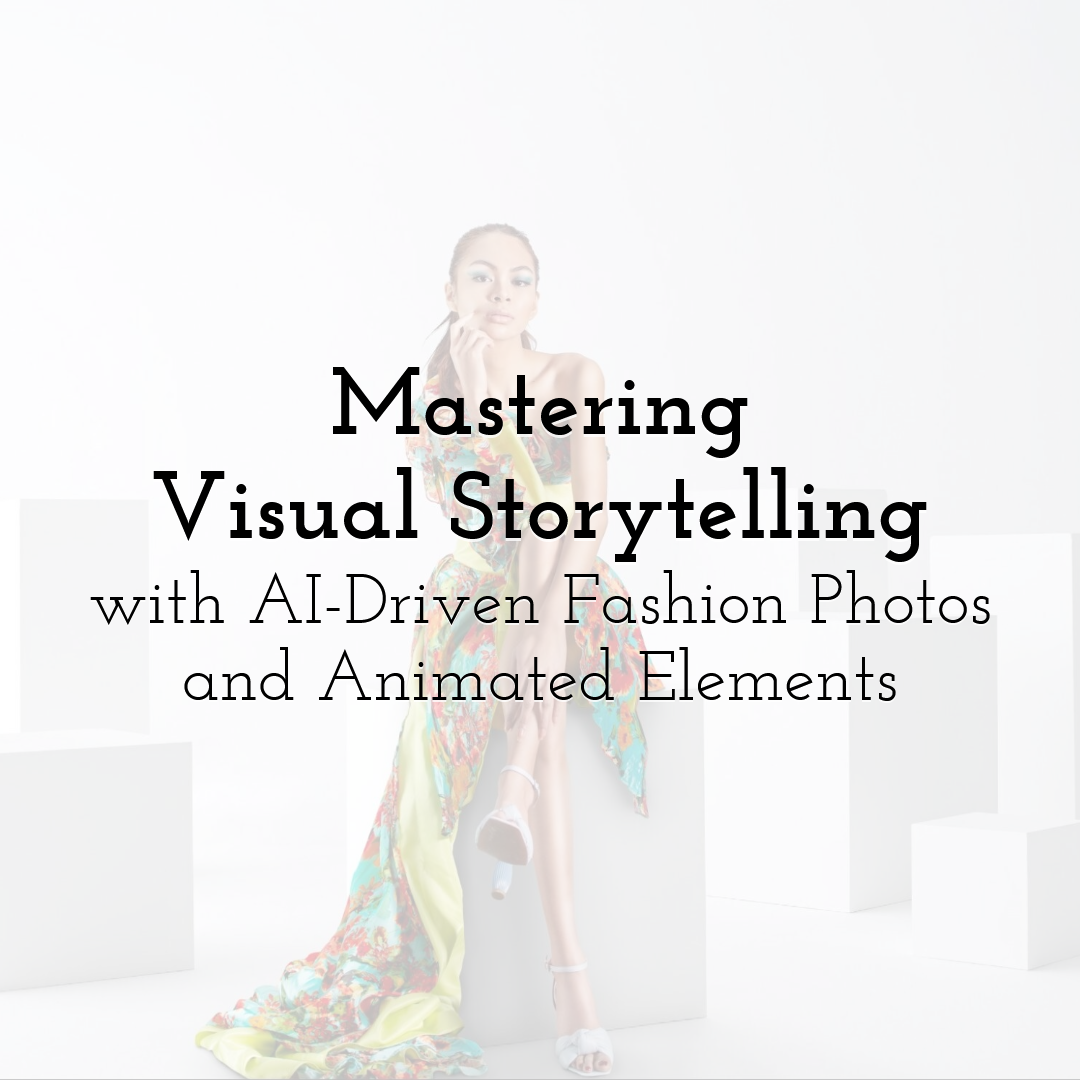
Fashion feeds are crowded. A polished ai fashion model can look impressive on its own, yet that effect fades quickly when users meet a stream of nearly identical ai fashion photos in one fast scroll. Static content still has a place, but it rarely holds attention on platforms built around movement, rhythm, and quick emotional cues. The image may be beautiful, but it often stops the thumb for less than a second.
Brands feel pressure from both sides. Audiences expect novelty, while marketing teams are asked to publish more often with smaller budgets. That is why the next step is not just generating visuals. It is turning them into micro-stories. A light motion layer in PixTeller can add pacing, atmosphere, and direction to a still image. The asset stops being a flat output and starts behaving like a campaign moment.
The Evolution of Social Media Content
Social platforms did not shift by accident. TikTok advises advertisers to present the core proposition in the first three seconds and treat the first three to six seconds as the crucial hook. Instagram keeps tying creator advice to reels, attention, and follower growth. Pinterest also pushes brands to incorporate video and other storytelling formats rather than relying on static posts alone. The message is consistent: motion is easier to notice and easier to remember.
There is also a human reason behind that. Visual attention research has shown that motion onset pulls the eye more reliably than stillness. In practice, even a small shift in fabric, light, or framing can do more than a perfect static shot. It breaks the pattern. And on a crowded feed, pattern-breaking is valuable.
The Rise of AI Fashion Photography
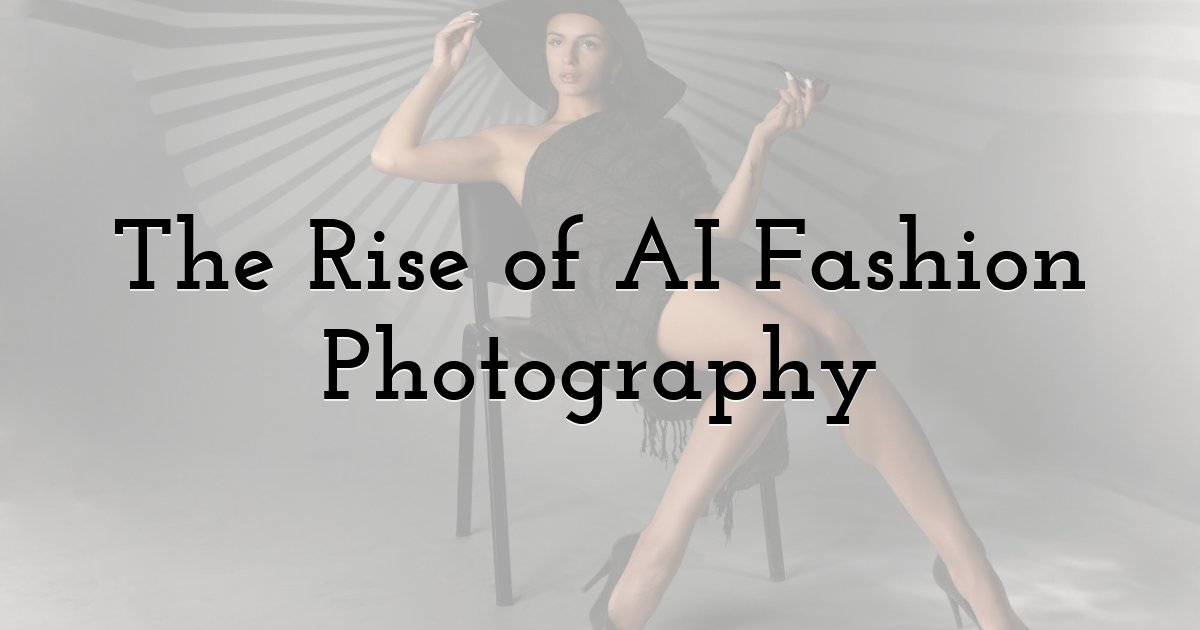
AI image generation changed the economics of fashion content. Teams can test more looks, more settings, and more casting directions without booking a studio or coordinating a full crew. McKinsey reported that 45% of fashion executives see AI-driven marketing as a major value driver, which helps explain the growth of AI fashion models and rapid concept testing across campaigns. The speed is real. So is the creative range. For fashion teams that want to explore outfit ideas before the editing stage, Coura.ai can help preview different clothing combinations on the same model image, giving creators a clearer visual direction before building the final social post, ad creative, or animated campaign asset.
Many teams are no longer asking only how to create AI fashion models. They are asking how to make them feel editorial and brand-safe. That is where the weakness appears.
AI-generated fashion models may solve production bottlenecks, but they often feel frozen. Even search behavior shows the market is still settling into the language, with clumsy phrases like "AI models fashion" appearing alongside more mature commercial workflows.
Why AI Fashion Photos Still Need Motion
A sharp image can show styling, silhouette, and color, but fashion is rarely just about seeing a garment. It is about sensing movement, texture, confidence, and context. An ai fashion model generator can produce faces, poses, and environments quickly, yet it does not automatically add narrative tension. A slow pan, a controlled zoom, or a shimmer in the light can supply that missing layer.
That matters because audiences are getting harder to impress. Wistia found that 41% of professionals already use AI in video creation workflows. Once AI visuals stop feeling new, presentation becomes the difference. Motion is not decoration here. It is what turns a generated asset into a branded experience.
Introducing PixTeller for Creative Animation
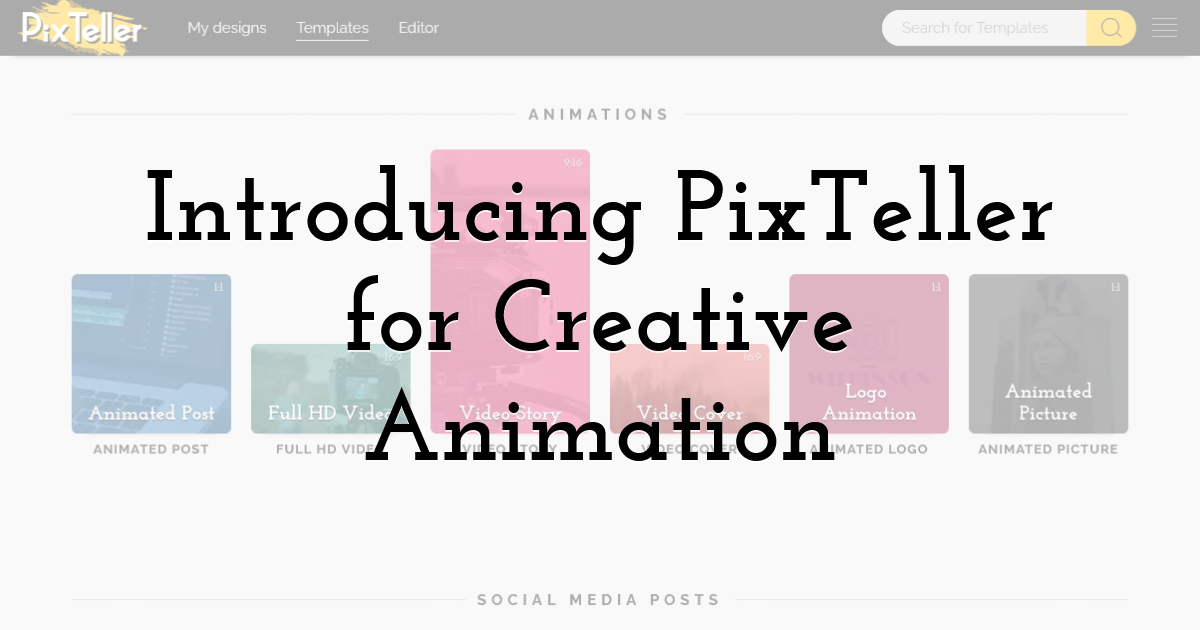
PixTeller works well to fill this gap because it does not require a marketer to become a video specialist. It runs in the browser, includes a frame-by-frame timeline, offers editable animated layouts, and exports in MP4 or GIF. That matters when the team needs speed more than complexity. You can move from concept to usable social asset without building a heavy production pipeline.
It also fits the way fashion content is often produced now. Maybe the visual came from an ai fashion models generator. Maybe it started as a static mockup. Either way, PixTeller gives enough control to add pacing, layered movement, and typography without turning the workflow into a technical project. For marketers, that keeps it approachable. For designers, it keeps testing fast.
Core Animation Techniques
The best approach is simple and controlled. Start by preparing a clean subject cutout if you want the model to move separately from the background. Then build a short timeline, because fashion loops work best when the idea is understood immediately. From there, use one clear movement per visual decision.
- 1. Use a light parallax shift so the background moves more slowly than the subject and creates depth.
- 2. Add restrained atmospheric details such as dust, sparkles, or soft leaks rather than heavy graphic clutter.
- 3. Apply ease-in and ease-out timing so movement settles naturally instead of starting and stopping like a machine.
- 4. If you need subject isolation, prepare masked layers before import so the figure and background can animate independently.
This is where the phrase ai photoshoot fashion becomes practical rather than trendy. The goal is not to prove that the asset was made with AI. The goal is to make it feel like part of a refined campaign.
Floating Graphics and Light Effects
Atmospheric animation works because it suggests a world outside the frame. A passing light leak can make a portrait feel warmer. Slow sparkles can hint at gloss, evening light, or luxury texture. A soft haze can reduce the hard synthetic edge that some AI visuals still carry. These effects help, but only when they match the image you already have.
That part is easy to get wrong. If the photo has cool side lighting, a golden flare from the wrong direction will look fake at once. If the styling is minimal, loud floating elements will cheapen it. Keep overlays thin, slow, and consistent with the lighting logic. Done well, they add atmosphere. Done badly, they expose the artifice.
Text Animation Strategy
Fashion text should support the image, not compete with it. Many animated assets fail because the message arrives too early or too aggressively. Give the visual a second to breathe. Then bring in the brand line, product name, or offer with a fade, a soft rise, or a slow scale. The movement should feel built into the composition.
Discipline matters here. Wistia reports that 76% of companies produce at least one video a month, so viewers see a lot of motion each week. Harsh type transitions no longer feel premium. They feel noisy. In fashion content, typography should behave like styling: precise, restrained, and deliberate.
Maintaining Brand Aesthetic
Over-animation is usually a confidence problem. When teams do not trust the image, they keep adding particles, text, and transitions until the piece feels busy. Luxury and high-fashion brands rarely benefit from that. They need control. The motion should feel subtle on first glance and more noticeable on second glance. That is a better standard than trying to impress in every frame.
This matters even more when the source visual was generated by AI. The audience does not need to be reminded that the image was machine-assisted. They need to feel that the campaign is polished. A small camera drift, one lighting accent, and one clear typographic beat are often enough. Restraint hides the mechanism and protects the brand voice.
Measuring Engagement and Dwell Time
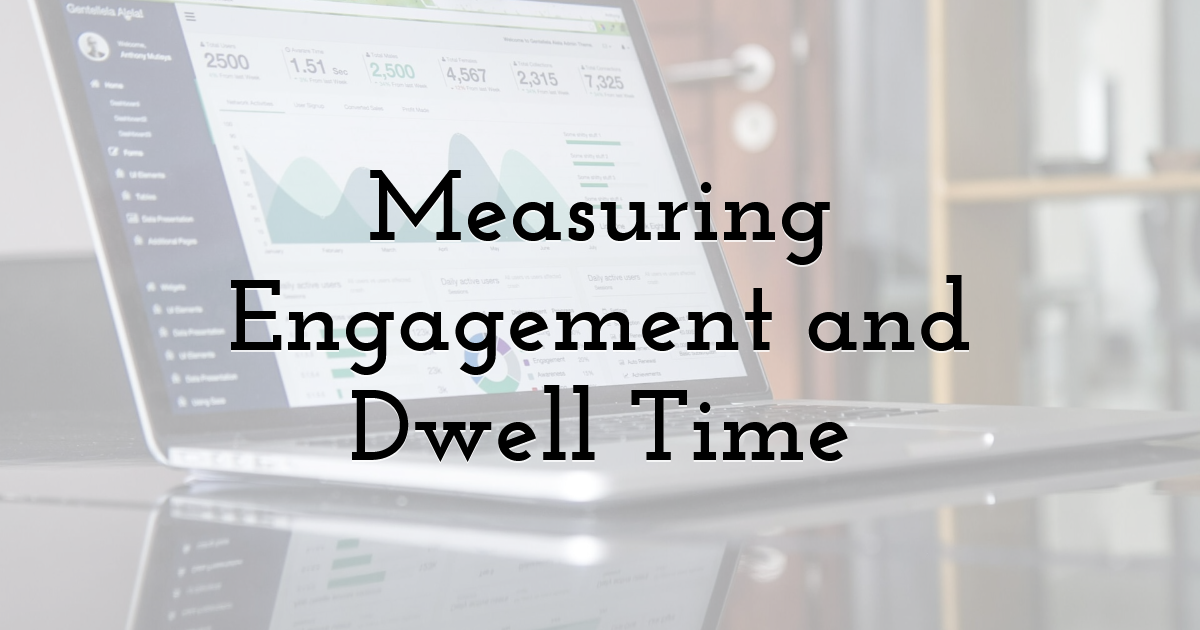
A moving visual should be judged by behavior, not taste. Start with dwell time: how long users stay with the asset before scrolling away. Then check the hold rate in the opening seconds, completion rate for short loops, shares, saves, and click-through rate if the piece drives traffic. These numbers show whether motion improved attention or simply made the design busier.
There is also a budget signal worth noticing. Wistia found that 48% of companies plan to increase video promotion budgets, while only a small share plan to cut them. Use that as a reminder to test properly. Run a static version against an animated version with the same offer and audience. If motion lifts dwell time and saves without hurting clarity, keep it. If not, simplify.
Final Thoughts:
Branding should be an integral part of a successful content marketing strategy. And if you play your cards right, emphasizing brand identity could make the resources you produce more effective at converting new clients.
PixTeller is useful because it lowers the barrier between concept art and publishable motion content. You do not need a huge production setup to make a fashion image feel more editorial. You need judgment, timing, and restraint. Start with one look, one movement cue, and one message, then build your next campaign around AI fashion photos.
Until next time, Be creative! - Pix'sTory
Recommended posts
-
Adding audio polish to animated visual content
Read More › -

9 Ways to Take Your Customer Support Automation to the Next Level
Read More › -
Sonic Branding 2.0: Testing the Top AI Music Generator Tools for Scalable...
Read More › -
How Job Seekers Are Using AI Interview Assistants to Beat Interview Anxie...
Read More › -
How to Create Stunning Logos with AI
Read More › -
Mastering Visual Storytelling with AI-Driven Fashion Photos and Animated...
Read More ›