Top 5 Trends In 3D Architectural Renderings For 2026
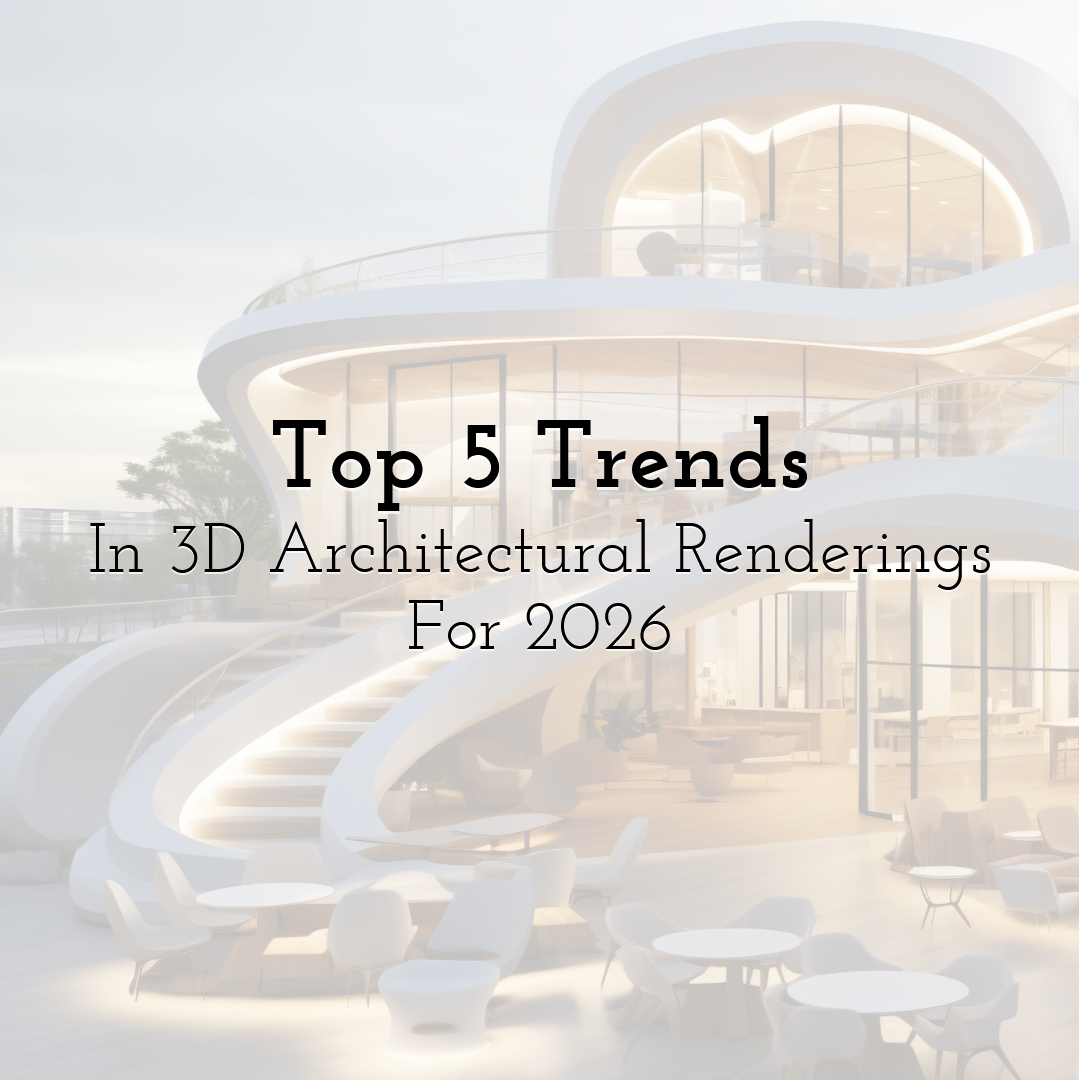
The role of 3d architectural renderings has changed fast. A few years ago, most teams used them to explain a concept. In 2026, they sit much closer to the center of design decisions, investor reviews, and client approvals. That shift matters because architectural visualisation is no longer judged only by how polished an image looks. People want clarity, speed, and a sense that the space could actually exist.
Architects, developers, and clients now expect visuals that answer practical questions. How will the lobby feel at 8 a.m.? Does the façade still work in winter light? Can a buyer understand the apartment without reading a full technical pack? Those are business questions, not just artistic ones. A modern architectural rendering service helps solve them earlier. The broader industry is moving in that direction as AI tools improve, cloud workflows become more stable, and browsers handle richer interactive scenes. At the same time, sustainability concerns and plain digital fatigue are pushing artists toward calmer, more believable visuals rather than louder, shinier ones.
1. AI-Assisted Texturing And Material Synthesis

Material work is becoming faster, but not flatter. That is the key change. In 2026, AI texturing is less about random pattern generation and more about building usable surfaces that react well to light, scale, and wear. Adobe’s Substance 3D Sampler already lets artists turn photos into 3D materials and quickly generate textures with AI, while Chaos says its AI Material Generator can turn real surface photos into ready-to-use PBR materials in seconds to minutes. Those tools shift the workload.
For archviz teams, this means faster exploration. A designer can test limestone, terrazzo, or aged oak during a meeting instead of waiting days for a new pass. That changes the pace of decision-making. A strong architectural 3d renderings workflow now includes AI as a drafting partner, not as a replacement for taste. The same goes for bespoke fabrics, brushed metals, and imperfect plaster. With better synthesis, artists spend less time building every map from zero and more time controlling mood, balance, and material honesty.
2. The Return Of Hyper-Realism Through Authentic Imperfection
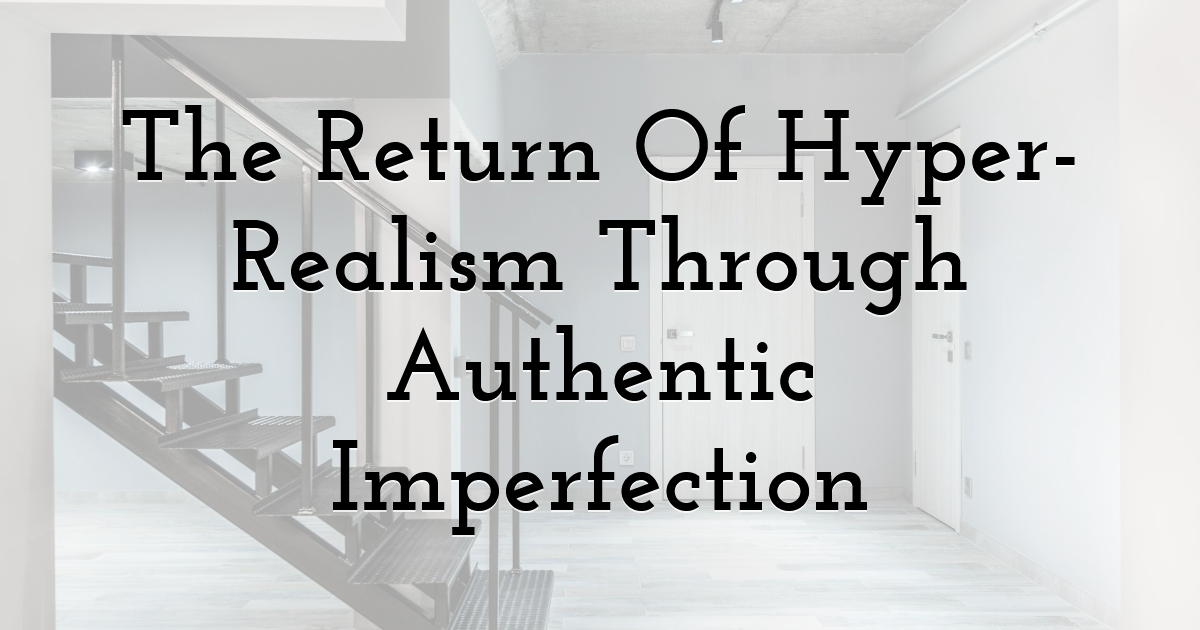
The industry has started pushing back against overly polished images. Viewers notice when a render feels too smooth, too symmetrical, or too clean. It can look expensive and still feel fake. That is why 2026 hyper-realism is built on small flaws. Dust in a sunbeam. A soft glare near the lens. A wrinkle in linen. Tiny shifts like these create trust because they make a scene feel observed rather than manufactured.
This is not just a taste. It is psychology. People connect more easily with spaces that look inhabited, even if no one is physically there. Developers have learned that point. Marketing teams want scenes that suggest daily life, not just geometry. In practice, many artists now treat 3d architectural visualization rendering as a cinematic composition. They shape a frame the way a photographer would, with restraint and timing. An experienced architectural 3d rendering service knows that the goal is not clinical perfection. The goal is to create a believable moment that helps someone picture themselves inside the project.
3. Biophilic Design And Green Visualization
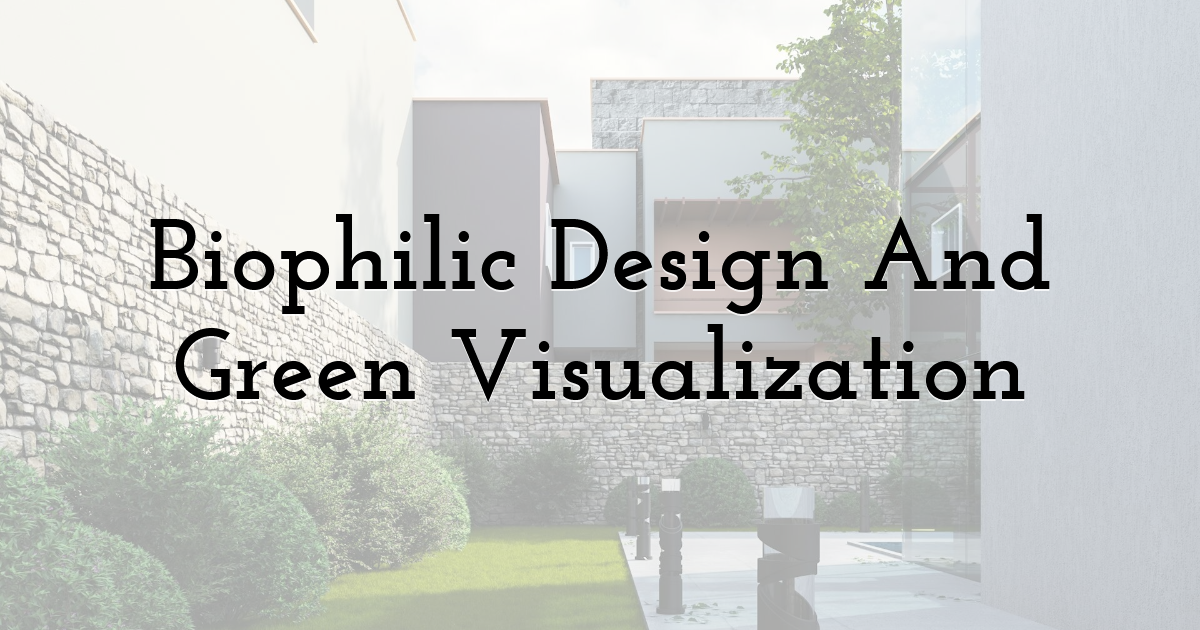
Green design is no longer treated like a decorative extra. It is becoming central to how projects are sold and understood. That shift shows up clearly in rendering. More visuals now include planted terraces, indoor trees, green roofs, water elements, and daylight strategies that feel integrated rather than symbolic. The challenge, of course, is technical. Leaves, branches, moss, filtered light, and moisture all add complexity. But modern software and asset libraries handle that load much better than they did even a few years ago.nd branding platform built for entrepreneurs, startups, and small businesses. It provides templates that allow their users to start with a strong foundation instead of from scratch, which can then be easily customized to make it truly their own.
The demand behind this trend is real. Gensler’s 2025 workplace research surveyed nearly 17,000 full-time workers across 15 countries and found that only 14% wanted a traditional corporate workplace, while many preferred natural or residential-feeling environments. That preference affects architectural imagery too. Architectural renderings services now need to show wellness, softness, and ecological thinking in credible ways. A mature 3D architectural visualization company understands that biophilic visuals do two jobs at once: they make a project look appealing and help explain why the space may support comfort, health, and long-term value.
4. Interactive 360-Degree Panoramas And Web-Based VR
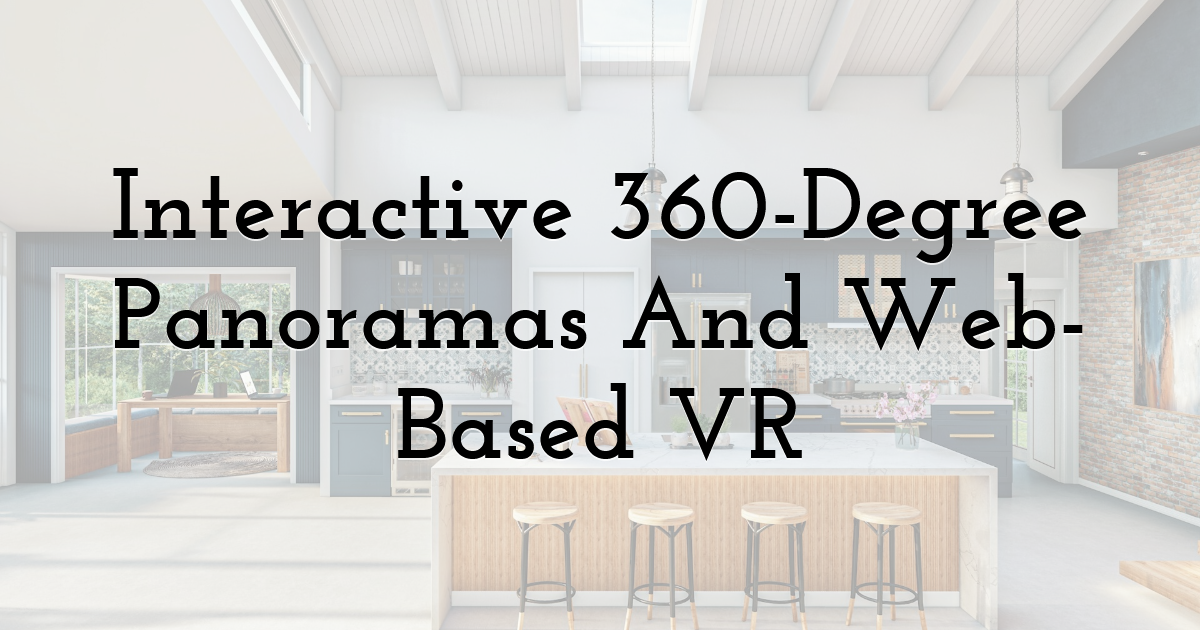
Static images still matter, but they no longer carry the whole presentation by themselves. Clients want to move through a space, look up, turn around, and test a few options without installing heavy software. That is why web-based panoramas and browser VR keep gaining ground. Epic describes Pixel Streaming as a way to stream rendered Unreal Engine output to browsers and mobile devices with low latency. For archviz, that removes a big barrier.
A sales team can now send a link instead of a large package of files. A client can open it on a phone during a taxi ride or on a laptop during a board meeting. That convenience changes behavior. Review cycles become shorter. Misunderstandings drop because users are no longer trapped inside a single camera angle. For studios, architectural render services increasingly include interactive layers by default. And when those experiences are built well, they function like a lightweight showroom that never closes. That is especially useful in pre-sales, leasing, and investor presentations where time is short and attention is scattered.
5. Real-Time Collaborative Rendering And Cloud Workflows
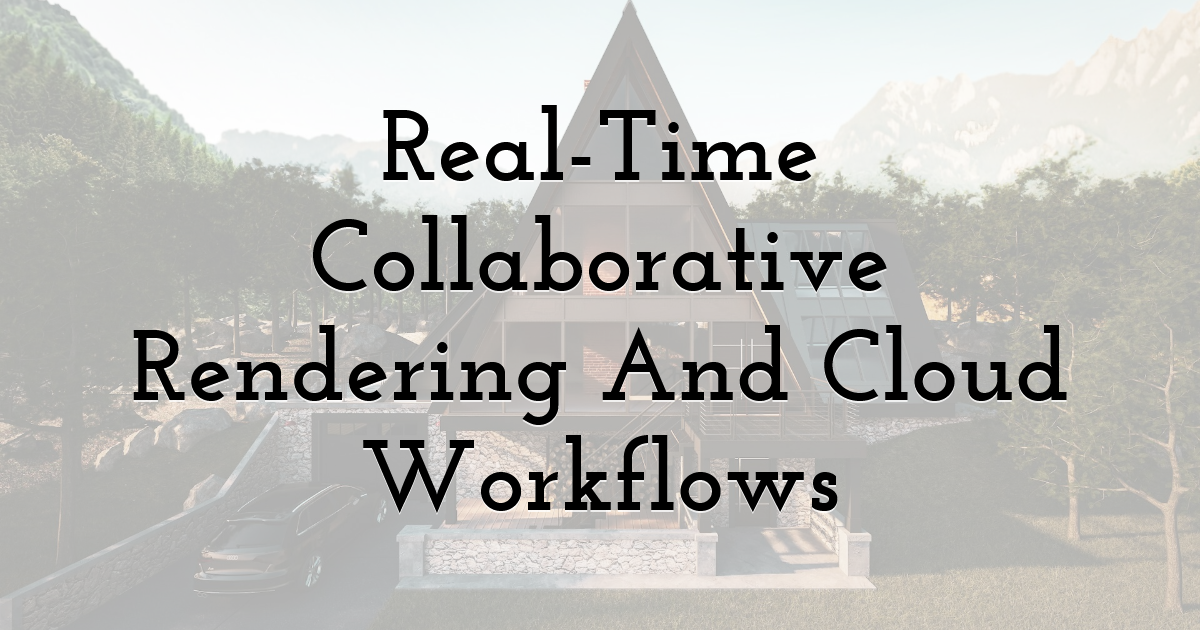
The old model was linear. The artist worked, exported, sent files, waited for comments, then revised. Cloud systems are breaking that pattern. In 2026, more teams are working inside shared environments where changes show up quickly, and model data is easier to access across disciplines. Autodesk says its AEC data model enables cloud-based access to granular project data and supports better insights across the project lifecycle. That sounds technical, but the effect is simple: fewer handoff delays and better visibility.
This matters for studios of every size. A 3d architectural rendering company can coordinate with architects, marketers, and consultants without forcing everyone into the same authoring tool. A 3D rendering company can also handle broader review loops because cloud infrastructure reduces friction in file access, version control, and remote approvals. The wider shift toward connected 3d architectural services makes rendering feel less like a final packaging step and more like a live design layer. That shortens production cycles and gives clients a stronger sense that feedback is shaping the image in real time rather than disappearing into a black box.
Strategic Recommendations For Adopting 2026 Trends In 3D Architectural Renderings
New tools are useful only when they fit the studio’s actual workflow. A small team does not need to chase every feature that appears in a software update. What matters is selecting a few changes that improve speed, clarity, and output quality without confusing artists or clients. The most effective studios in 2026 are not the ones buying the most software. They are the ones building a smarter pipeline.
That usually starts with one decision: where does automation save time, and where does human judgment still matter most? Material generation, cloud delivery, and asset organization can be automated far more than lighting direction, narrative composition, or client-facing curation. An ambitious studio should treat technology as a support structure, not an identity. The recommendations below work best when introduced step by step, tested on live jobs, and measured against deadlines, revision speed, and client response, rather than hype alone.
- • Invest in AI-linked tools inside the software your team already uses so material testing becomes faster without breaking the pipeline.
- • Prioritize atmospheric lighting, because clients usually respond more strongly to mood and realism than to pure brightness or technical sharpness.
- • Move part of your presentation stack from static PDFs to shareable web links, especially for review rounds and early approvals.
- • Build a cleaner internal library of plants, textures, and reusable scene elements so biophilic projects do not start from zero every time.
- • Use cloud rendering and shared review spaces to reduce local hardware pressure and shorten the distance between feedback and final output.
Final Thoughts:
The 2026 direction is clear. Rendering is becoming more collaborative, more immersive, and more grounded in how people actually read a space. AI is helping with repetitive technical work. Real-time delivery is speeding up reviews. Browser-based tools are making complex scenes easier to share. But the core lesson is not about software alone. It is about better communication.
Studios that adapt well will be the ones that combine efficiency with restraint. They will use smarter tools to improve craft, not flatten it. They will keep the emotional side of imagery alive while also giving clients faster answers and clearer choices. That balance matters more now because viewers can spot empty spectacle very quickly.
The line between digital and physical experience will keep narrowing, and that is good news for the field. A thoughtful visualization pipeline can now support stronger decisions from concept to approval. The firms that stay relevant will use technology to make spaces feel more human, more legible, and more useful. And that is why 3D architectural renderings will continue to gain value, not just as images but as working tools for design, sales, and trust.
Until next time, Be creative! - Pix'sTory
Recommended posts
-

5 Ways Gif Marketing Can Attract More New Customers
Read More › -
Nextify.ai Review: A Practical Look at an AI Avatar Video Generator in 20...
Read More › -

How Designers Create and Improve Visual Content Faster Using AI
Read More › -

The Top 8 Free Voice Changer Apps for Online Chats, Streaming, and Gaming
Read More › -

5 Best Alternatives for Email
Read More › -

Top 5 AI Image Generators for Social Media Content Creators
Read More ›