Visual SEO in 2026: How to Make Your Images and Graphics Rank on Search Engines
You spend hours designing the perfect social media graphic, blog image, or infographic. It looks incredible. But if search engines cannot find, understand, or index your visuals, all that effort stays invisible to the majority of your potential audience.
Visual SEO is the practice of optimizing your images, graphics, and visual content so they rank in search engine results, appear in AI-generated summaries, and get discovered through tools like Google Lens. It is one of the most overlooked areas of digital marketing in 2026, and the brands that get it right have a massive advantage.
Google Lens now processes over 20 billion visual search queries every month. Google Image Search receives over 3.5 billion searches per day. AI Overviews are appearing in more than 20% of all search results, often pulling in visual content. Yet most businesses still upload images without any thought toward SEO.
Here is how to change that.
1. Write Descriptive, Keyword-Rich Alt Text for Every Image

Alt text is the foundation of visual SEO. It tells search engines what an image shows, improves accessibility for screen readers, and directly influences whether your visual appears in Google Image Search results.
Most brands still leave alt text blank or fill it with vague descriptions like "image1" or "banner." This is a wasted opportunity. Write alt text that clearly describes the image while naturally including your target keyword. For example, instead of "team photo," use "digital marketing team brainstorming a social media campaign strategy."
Keep your alt text under 125 characters, make it specific, and avoid keyword stuffing. Google's guidelines are clear on this. Descriptive, relevant alt text improves how and where your image appears in search results.
2. Use Descriptive File Names Before Uploading

Search engines read your image file name as a ranking signal before the image even loads on your page. A file named "IMG_4578.jpg" gives Google zero context about what the image contains.
Rename every image file before uploading. Use lowercase words separated by hyphens that describe the content. For example, "visual-seo-infographic-2026.png" tells both search engines and AI crawlers exactly what the visual is about. This small step takes seconds but can significantly improve your image search visibility.
3. Compress Images Without Sacrificing Quality
Page speed is a confirmed Google ranking factor, and images are often the largest contributor to slow load times. A beautifully designed graphic means nothing if it takes five seconds to load and drives visitors away.
Compress every image using formats like WebP, which offers superior compression without visible quality loss. Google officially supports and recommends WebP alongside JPEG, PNG, and SVG. Aim to keep individual image files under 200KB wherever possible. Faster pages rank higher, provide a better user experience, and reduce bounce rates, all of which feed back into stronger SEO performance.
4. Add Structured Data to Your Visual Content

Structured data, also known as schema markup, gives search engines extra context about your images. It helps your visuals appear as rich results in Google, including product carousels, recipe cards, and how-to guides with step images.
If you run an ecommerce store, product schema can display your images with pricing, availability, and review ratings directly in search results. For blogs and content sites, article schema and ImageObject markup help Google understand the relationship between your text and visuals. Implementing structured data is a technical but powerful visual SEO step that most competitors skip entirely.
5. Optimize for Google Lens and Visual Search

Google Lens is no longer a niche feature. It processes over 20 billion queries monthly, and the 18-to-24 age group uses it the most. Users now point their phone cameras at products, logos, and objects to search for information, find similar items, and make purchases.
To appear in Google Lens results, your images need to be high-resolution with clean, uncluttered backgrounds. According to Backlinko research, approximately one-third of Google Lens results are pulled from images on top-ranking web pages. This means strong overall SEO combined with optimized visuals gives you the best chance of appearing in visual search. Product-based businesses and ecommerce brands should prioritize this, as 50% of online shoppers say images directly influence their purchase decisions.
6. Use Original Graphics Instead of Stock Images
Search engines are getting better at identifying duplicate and stock images that appear across thousands of websites. Original visuals signal uniqueness and quality, which both Google and AI search engines reward. Original visuals can do much more for SEO than help a page look better,” explains Ashot Nanayan, CEO & founder of B2BSEO.io. A useful chart, infographic, comparison graphic, or original dataset can become a linkable asset that other websites reference in their own content. That means one strong visual can support image visibility, strengthen the page itself, and potentially earn backlinks at the same time.
Create custom graphics, branded illustrations, and original infographics using design tools like PixTeller. Not only do original visuals stand out to your audience, but they also perform better in image search because they are unique to your domain. Google's helpful content guidelines increasingly favor original media, and leading SEO experts now recommend incorporating unique images as a mandatory part of every content strategy.
7. Implement Responsive Images for Mobile-First Indexing
Google has fully shifted to mobile-first indexing, meaning it primarily uses the mobile version of your site for ranking and indexing. If your images are not optimized for mobile, they may not be indexed properly or could hurt your page speed scores.
Use responsive image techniques like the HTML srcset attribute to serve different image sizes based on the user's device. A desktop user should receive a high-resolution version while a mobile user gets a lighter, appropriately sized file. With over 60% of Google searches now happening on mobile devices, responsive images are not optional. They directly impact your Core Web Vitals scores, which Google uses to measure page experience.
8. Place Images Strategically on Your Pages
Where you place images on a page matters for SEO. Google gives more weight to images that appear higher on the page, closer to relevant text content, and within the main body rather than buried in a sidebar or footer.
Every key image should be placed near the text it relates to. If your article discusses visual SEO tips, include a relevant infographic or custom graphic directly within that section. This helps search engines connect the visual to the topic, increasing the chances of the image appearing in both standard search results and AI-generated overviews.
9. Build an Image Sitemap for Better Indexing
An image sitemap is a dedicated XML file that tells search engines about every image on your site. It helps Google discover images that might otherwise be missed during standard crawling, especially images loaded through JavaScript or lazy loading.
Most websites do not have a separate image sitemap, which means a significant portion of their visual content may never get indexed. You can either create a standalone image sitemap or add image tags to your existing XML sitemap. Google's own documentation recommends this for sites that rely heavily on visual content. For brands investing in custom graphics and original visuals, this ensures none of that effort goes to waste.
10. Align Visual SEO With Your Broader Digital Marketing Strategy
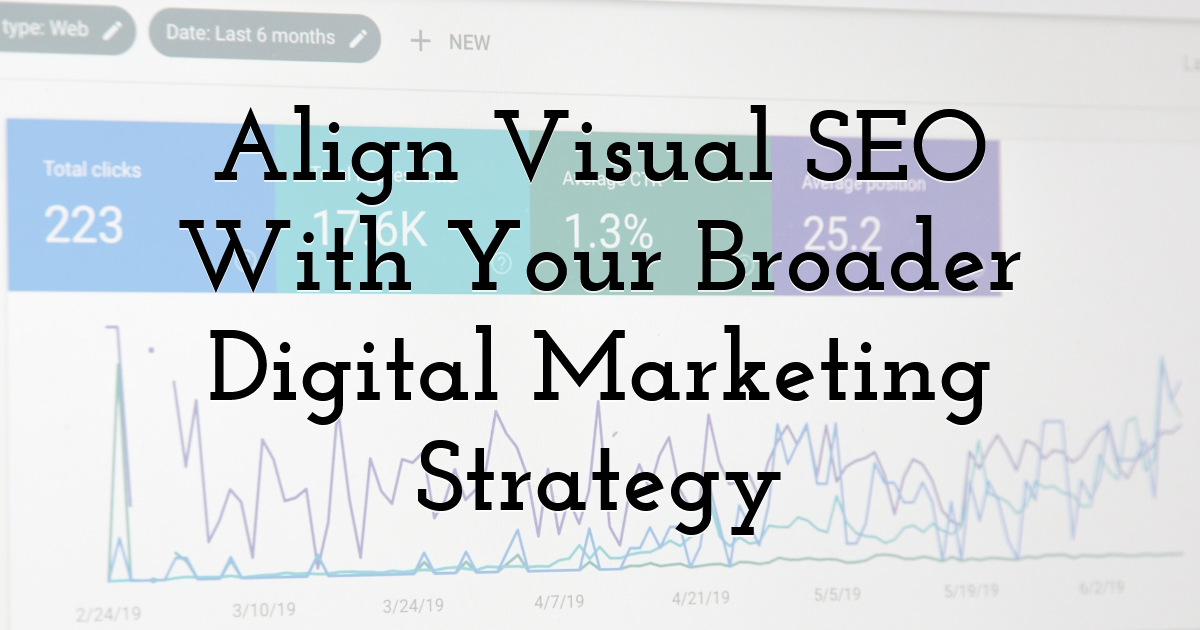
Visual SEO does not exist in isolation. It works best when it is part of a coordinated digital marketing strategy that connects content creation, on-page optimization, link building, and social media.
However, managing all these moving parts requires expertise across multiple disciplines. This is why many businesses partner with a full-service digital marketing agency in Melbourne like First Page to align their visual content with a broader SEO and marketing strategy. When your images, graphics, and videos are optimized alongside your content and technical SEO, the combined impact on search visibility and organic traffic is far greater than optimizing any single element alone.
Final Thoughts:
Visual SEO is one of the biggest untapped opportunities in digital marketing in 2026. With Google Lens processing billions of queries, AI Overviews pulling in visual content, and image search driving massive traffic, the brands that optimize their visuals for search will have a significant competitive advantage.
The fundamentals are straightforward. Write descriptive alt text, use clean file names, compress your images, implement structured data, and create original visuals. Tools like PixTeller make it easy to design unique, professional-quality graphics that are ready for both your audience and search engines.
Start treating every image as a potential search entry point, and you will see the results in your rankings, traffic, and conversions.
Frequently Asked Questions
What is visual SEO?
Visual SEO is the process of optimizing images, graphics, videos, and other visual content so they can be discovered, indexed, and ranked by search engines. It includes practices like writing descriptive alt text, compressing images for speed, adding structured data, and optimizing for visual search tools like Google Lens. In 2026, visual SEO is essential because search engines and AI tools increasingly use visual content when generating results.
Does image optimization really impact search rankings?
Yes. Images directly impact page speed, user experience, and Core Web Vitals, all of which are confirmed Google ranking factors. Properly optimized images can also appear in Google Image Search, AI Overviews, and Google Lens results, creating additional traffic sources beyond standard text-based search. Ignoring image optimization means losing visibility on multiple search surfaces.
How do I optimize images for Google Lens?
Use high-resolution images with clean backgrounds and minimal clutter. Ensure your overall page SEO is strong, as Backlinko research shows that one-third of Google Lens results come from images on top-ranking pages. Add descriptive alt text, keyword-rich file names, and complete image metadata. For product images, include structured data with pricing and availability to maximize visibility.
What image format is best for SEO in 2026?
WebP is the recommended format for most web images in 2026. It offers superior compression compared to JPEG and PNG while maintaining high visual quality. Google officially supports WebP and recommends it for faster page load times. Use SVG for logos and icons, and JPEG for photographs where WebP is not supported.
Can a digital marketing agency help with visual SEO?
Absolutely. Visual SEO requires coordination between design, content, technical SEO, and overall marketing strategy. A full-service digital marketing agency can ensure your visuals are optimized for search engines, AI tools, and user experience simultaneously. This is especially valuable for businesses that create large volumes of visual content across multiple platforms and need consistent optimization at scale.
Until next time, Be creative! - Pix'sTory
Recommended posts
-

Significance of Target Audience in Designing a Strategic Webpage
Read More › -

How to Use Social Data to Launch a Successful Marketing Campaign
Read More › -

Sound Effects for Your Video Projects Might Be Easier and Cheaper Than Yo...
Read More › -
7 Characteristics that Make a Business Website Successful
Read More › -
10 Tools to Create the Most Engaging Content for SaaS Marketing
Read More › -

How Web Design Affects Your SEO Performance
Read More ›