How to Choose Website Layouts That Work for Different Types of Businesses
A commercial website is more than a visual display - The structural arrangement is a tool that assists visitors as they seek data, compare options and perform specific tasks. Local contractors are likely to require a simple framework that makes phone numbers and addresses easy to see. Online shops are different because they require a system that allows customers to view many items quickly. Selecting a structure is a process that involves studying the company, the specific clients and the desired visitor actions. Effective design is the combination of these elements so that the page arrangement is helpful for both the visitor and the company objectives.
Identify Commercial Objectives
The initial stage in selecting a layout is to define what the company wants visitors to achieve. Service providers are often focused on receiving phone calls or digital forms - the page structure is responsible for making these options visible in all sections. Consulting firms are different because they often prioritize the display of specialized knowledge to earn trust. In every situation, the layout is a guide that directs visitors toward a primary goal without filling the screen with too many items. Company goals are also responsible for the amount of text and images on a page. Restaurants are usually more successful with a direct layout that shows food lists and physical addresses. Software developers are different because they require more area for technical specifications and video demonstrations. Selecting a layout that matches the needs is a way to ensure that important details are not hidden by secondary elements.
Align the Structure with the Target Audience
Knowledge of the specific clients is a necessary part of choosing a web design. Visitors are most comfortable when they can find data without learning new navigation methods. Customers who buy tools or materials are likely to expect distinct categories and visible prices. Clients who buy expert advice are different because they often require a structure that emphasizes written reports and history of past work. The audience is also a factor in how fast a website displays data. Individuals who need urgent repairs are often looking for a phone number or a map immediately - these visitors are unlikely to click through many sections to find help. Individuals who are researching legal or financial matters are different because they expect detailed documents before they contact a firm. A logical layout is one that organizes data according to these specific expectations.
Select Layouts for Service Companies
Service companies are most successful when the layout is clear from the start. A homepage is an opportunity to describe the firm and provide a path to reach the staff. Detailed pages are then responsible for explaining what the service is and who should use it - this framework is useful for plumbers, medical offices and marketing agencies because these businesses sell knowledge rather than physical objects. Navigation is a priority for service websites - Visitors are better served when they do not have to search through many links to find costs or contact methods. A permanent menu at the top of the screen is a helpful tool for accessibility. The layout is also an appropriate place for reviews from past clients or professional certifications when the items help a visitor trust the firm.
Select Layouts for Retail Companies
Retail websites are systems that assist with finding and buying products. Categories are helpful when they are easy to name, while filters are tools that help visitors find specific items in a large collection. Product pages are responsible for showing images and prices in a predictable sequence. The total layout is more effective when it is free of distractions so that customers are able to focus on their purchase. Retailers are also in need of designs that work during every part of the shopping process. Section pages are for browsing, while item pages are for specific details. The digital cart and the payment section are most effective when they are simple and look like the rest of the site. If the design is different on every page, customers are likely to become confused, which is a barrier to finishing a purchase.
Select Layouts for Professional Firms
Professional organizations are often dependent on their reputations. Law offices and accounting firms are most successful when the layout is organized and formal - these sites are likely to include specific areas for staff biographies and descriptions of past results. Arranging these sections clearly is a way for visitors to study the firm without seeing too many decorative graphics. The hierarchy of data is a major factor for professional websites because visitors are often reading long documents. Headers and legible text are tools that make difficult topics easier to read. The layout is responsible for being flexible enough for long articles while keeping the phone number and address easy to find. A simple structure is a way to show that a firm is professional without using unnecessary decorations.
Prioritize Mobile Visitors
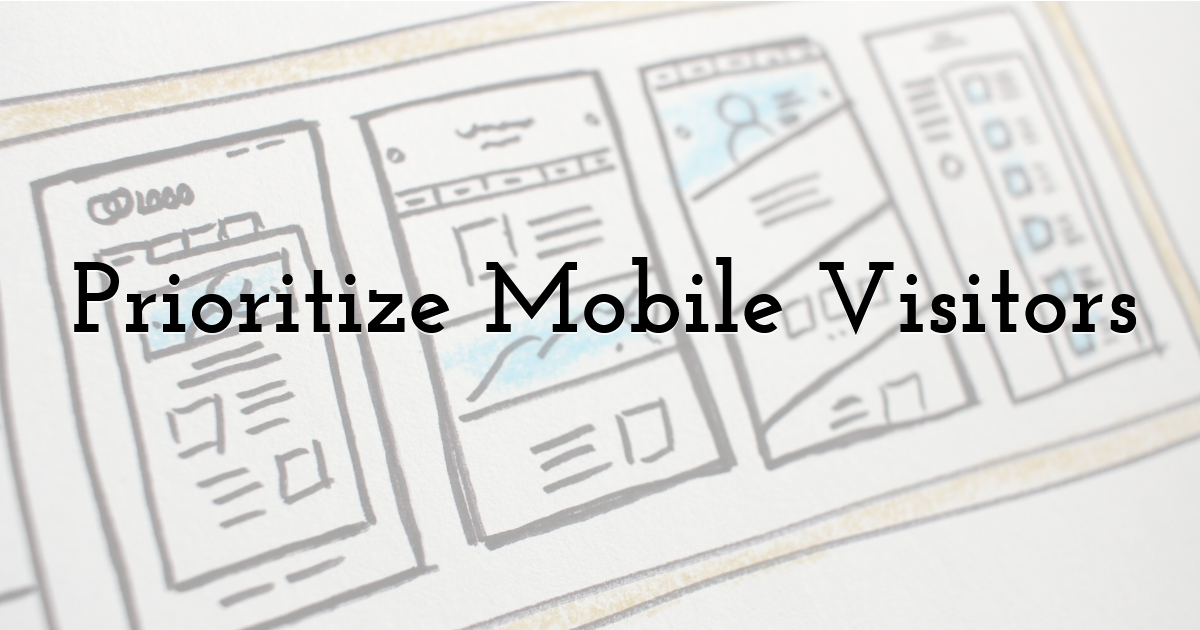
A website structure is a plan for mobile users from the first day of development - buttons and text are required to be functional on small touchscreens. A design that is orderly on a large office monitor is often difficult to use if the menu is too small or if the text is at the bottom of the page. Responsive design is a method that allows the page to change size while remaining easy to use. Mobile requirements are also a reason to limit the number of items on a page. Companies are more successful when they show the most important data first - buttons are easier to use when they are large enough for a thumb and forms are better when they are short. Testing the layout on a smartphone is a way to find errors that are not visible on a computer.
Organize Navigation & Content
Navigation is a reflection of how a visitor looks for answers. A firm with many different tasks is likely to need many categories, while a smaller firm is better with a shorter menu. Labels are most helpful when they are predictable. An organized system is a way to lower the effort a visitor uses to move between pages. The arrangement of data is also a factor in how search engines find the site. Pages are more effective when they have one specific topic. As a company grows, the layout is required to be flexible so that new services or locations are easy to add. Planning for growth is a way to avoid the cost of a new website in the future.
Test the Layout Before Use
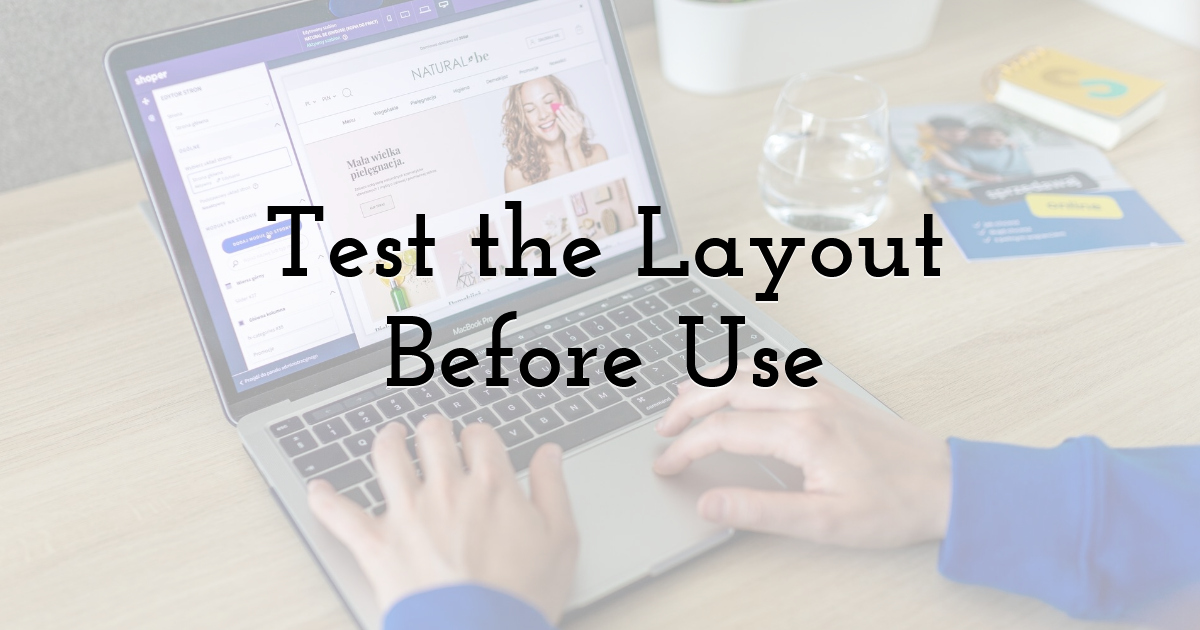
Testing is a necessary step because a plan might be difficult for a real visitor to use. Owners are able to see if visitors are able to find a form or a product. Testing is also a way to find labels that are confusing or images that make the page load too slowly - these observations are an opportunity to fix the structure before the site is public. Speed is just as important as the visual arrangement - Large files and extra scripts are often the cause of slow pages and unhappy visitors. A good layout is a balance between a professional appearance and fast performance. Reviewing the site after it is live is a way to see which pages are most popular.
Final Thoughts:
The most helpful website layout is a result of the business type, the company goals and the audience needs. Service firms are focused on communication, shops are focused on products and professional firms are focused on data. Mobile functionality and site speed are also important factors. By choosing a structure based on logic rather than appearance, a company is able to build a website that is useful and ready for the future.
Until next time, Be creative! - Pix'sTory
Recommended posts
-
UX vs UI Design - Which is More Important?
Read More › -

Video Marketing Statistics You Need to Know for 2021
Read More › -
Editing Without Borders: How Remote Access Supercharges Modern Image and...
Read More › -

The Best Images Size for Social Media Posts to Boost Your Digital Presenc...
Read More › -

Why Upskilling Matters More Than Ever in 2026
Read More › -

Level Up Your Design Career: What You Need to Know in 2025
Read More ›