How to Tell a Real Local SEO Partner From One Running a National Playbook
The fastest way to test a local SEO partner is to ask how they would rank your business differently in your own neighborhood versus a similar business ten miles away. If the pitch sounds the same either way, you have not hired a local SEO partner. You have hired a national SEO firm that swapped in your city name.
That distinction gets lost more often than owners realize, because most agencies sell the same deliverables no matter where you are, a keyword list, a handful of blog posts, a monthly report that looks the same for every client. Vivid Software Solutions' approach to search visibility in San Diego starts from the opposite assumption, that a market is not a zip code inserted into a template, it is a real set of competitors, real search habits, and a map pack you either understand or do not. Wherever your business sits, that is the instinct worth hiring for.
Ask What They Actually Do With Your Google Business Profile

Most agencies will say they manage your Google Business Profile. Ask what that means in practice. Google's own guidance on local ranking factors lays out relevance, distance, and prominence as the three factors that decide who shows up in the map pack, and prominence is shaped heavily by how complete your profile is and how many reviews you have earned. A partner who cannot walk you through those three factors specifically for your business is reciting a term, not applying it.
Ask them to pull up your current profile on a call. Watch what they notice first.
Watch Out for the National SEO Pitch Wearing a Local Costume
This is the part agencies do not like to say out loud. A lot of local SEO is just national SEO with a city name inserted into a few headers. The work looks the same whether the client is on the coast or in the middle of the country. Real local work means building citations that match your name, address, and phone number exactly across the directories your customers actually use, earning links from organizations and press in your own market, and writing content that reflects how someone in your specific neighborhood actually searches, not how a template assumes they search.
If your reports are heavy on national ranking factors and light on anything specific to your own city, that is the tell.
Be Wary of Guaranteed Rankings
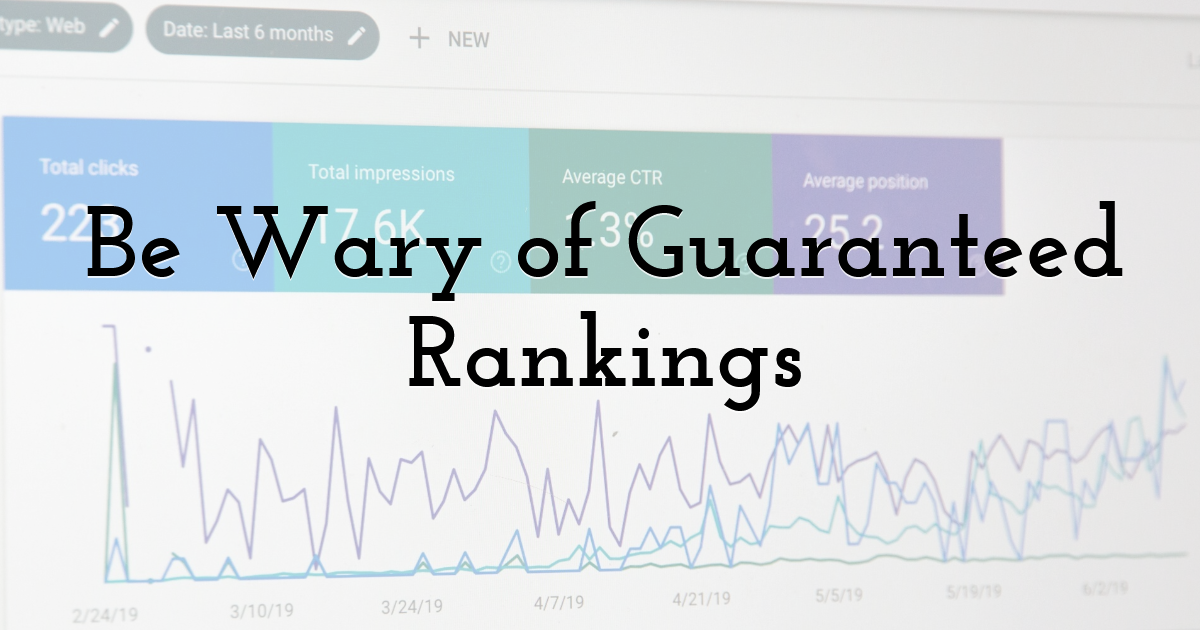
Any partner who guarantees a first page ranking is telling you one of two things. Either they do not understand how ranking algorithms actually work, or they are planning to use tactics that put your site at risk. The Federal Trade Commission's consumer guidance on small business invoice scams is aimed at fake billing, but it is a good reminder of how often inflated SEO promises show up next to outright fraud targeting small business owners. No legitimate agency controls Google's algorithm. Ask what they can measure and commit to, not what they can promise.
Get that in writing before anything else.
Ask How They Handle Reviews, Not Just How They Collect Them

Review volume matters, but so does what happens after a bad one lands. A partner who only talks about collecting five star reviews has not thought about what happens the week a client gets a rough one. Ask how they would respond to a negative review, whether they use Schema.org's LocalBusiness markup so search engines correctly understand your hours, service area, and reviews, and how often they check that markup for errors. Small technical mistakes here are common and mostly invisible until a client checks.
Check Whether They Can Explain Their Work Without Jargon

This one is simple. Ask them to explain, in plain language, what they are doing this month and why. If the explanation collapses into phrases like boosting your digital footprint or optimizing your online presence, you are listening to a sales script, not a strategy. A real local SEO partner can point to a specific ranking, a specific competitor, and a specific reason your business is or is not showing up above them.
That specificity is the whole business. Everything else is marketing about marketing.
What Good Reporting Actually Looks Like
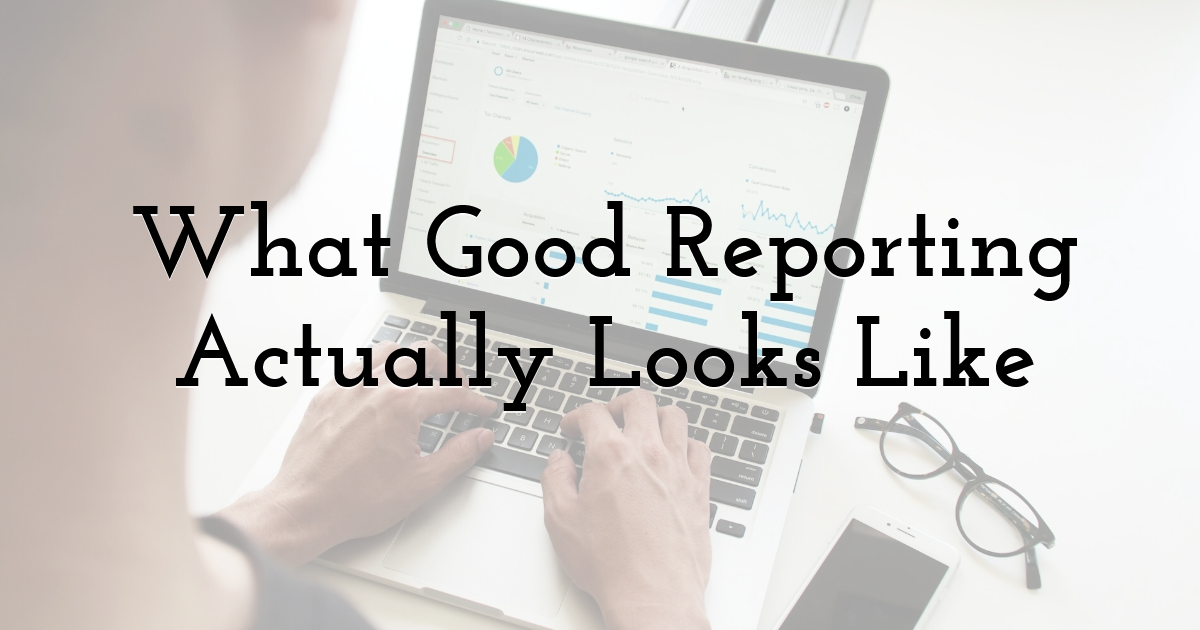
A local SEO partner worth keeping will show you map pack position for your actual target neighborhoods, not just an average rank across your whole metro area. They will show organic traffic by page, not just one aggregate number. And they will be honest when something did not work, because SEO in any competitive market is not a straight line upward. It has plateaus. Anyone who shows you a chart that only goes up is not showing you the whole chart.
Realizing you hired the wrong agency stings, especially after you already trusted them with a quarter of your marketing budget. You did not do anything wrong by trusting a vendor. But staying with them another quarter stings more than the conversation where you finally ask the hard questions above.
Until next time, Be creative! - Pix'sTory
Recommended posts
-

5 Social Media Marketing Tips for Your Career
Read More › -
What is Conversion? Quick Ways to Boost Conversions for High Revenues
Read More › -

Key Tips on Planning a Month of Social Media Posts
Read More › -

5 Ways Gif Marketing Can Attract More New Customers
Read More › -
How to Tell a Real Local SEO Partner From One Running a National Playbook
Read More › -

Want To Become a Blogger? Tips for Beginners
Read More ›