Smart Design for Temporary Retail Spaces
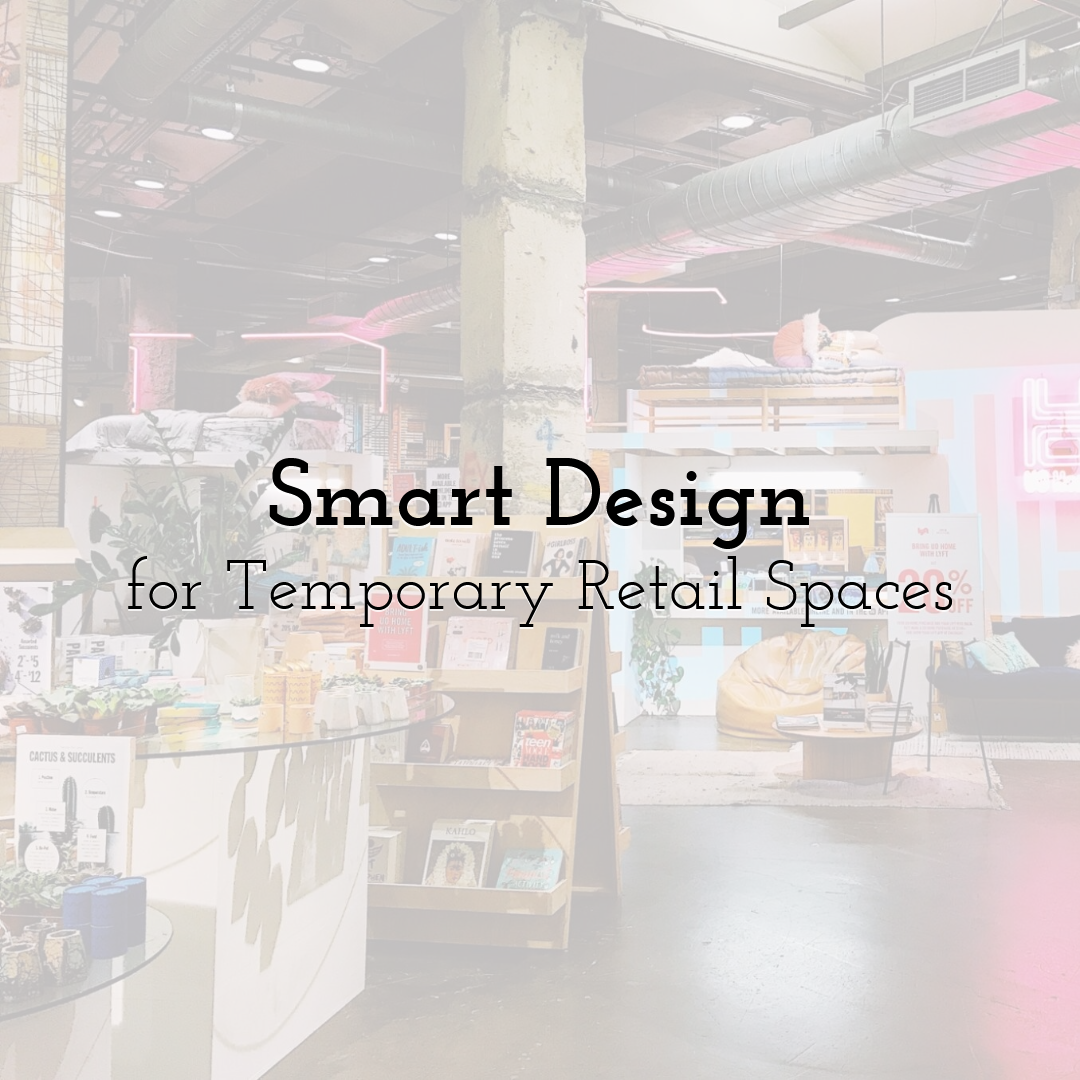
Temporary retail isn't just a fleeting trend anymore; it's become a key strategy for modern brands looking to connect with customers in fresh, memorable ways. Whether it's a pop-up shop in a busy city or a brand activation inside another store, these short-term spaces are fantastic for creating buzz, testing new markets, and building a community. But their temporary nature brings a unique design challenge: how do you make a space that truly reflects your brand, feels exciting, and is also super easy to set up, change, and pack away? The trick is smart, strategic design that puts flexibility and impact first, right from the start.
The Rise of Temporary Retail
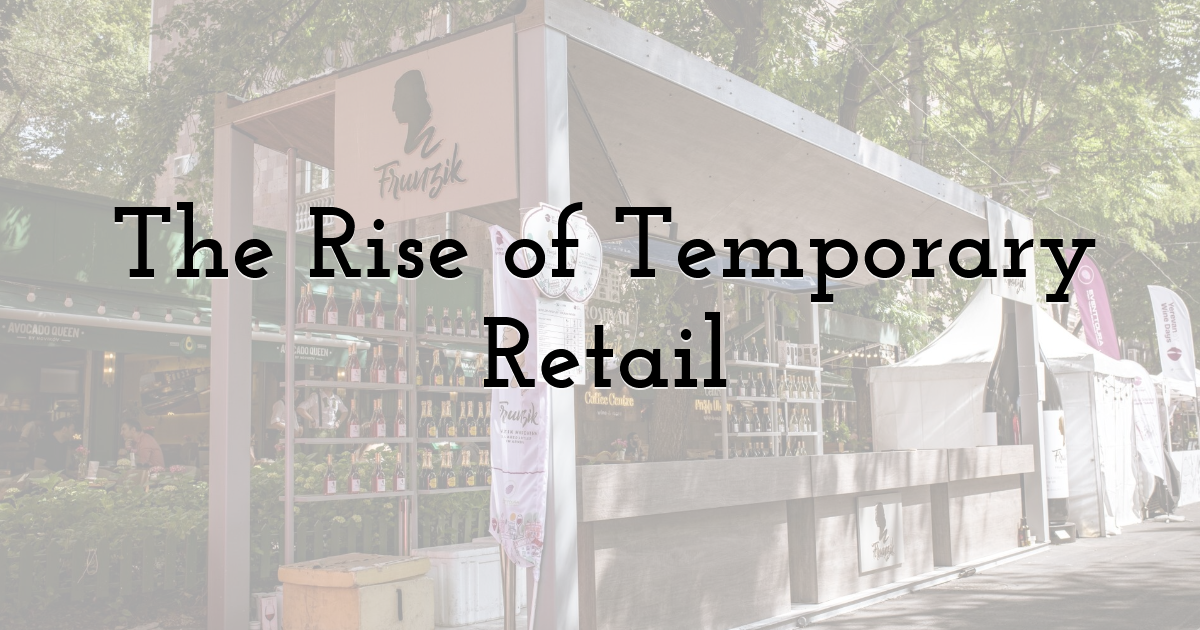
Pop-ups, as these temporary retail spots are often called, are great because they create a sense of urgency and exclusivity. Unlike a regular store, a pop-up is only around for a little while, which encourages people to visit before it's gone. This model lets brands try out new locations or ideas without the big financial risk of a long-term lease. It's a strategy that really embraces the idea of liquid retail or spaces that can show up, change, and then disappear depending on what customers want. These spots are perfect for launching a new product, hosting a seasonal event, or simply giving an online brand a physical place for people to visit. The main goal is to create a focused, unforgettable experience.
Designing for Flexibility
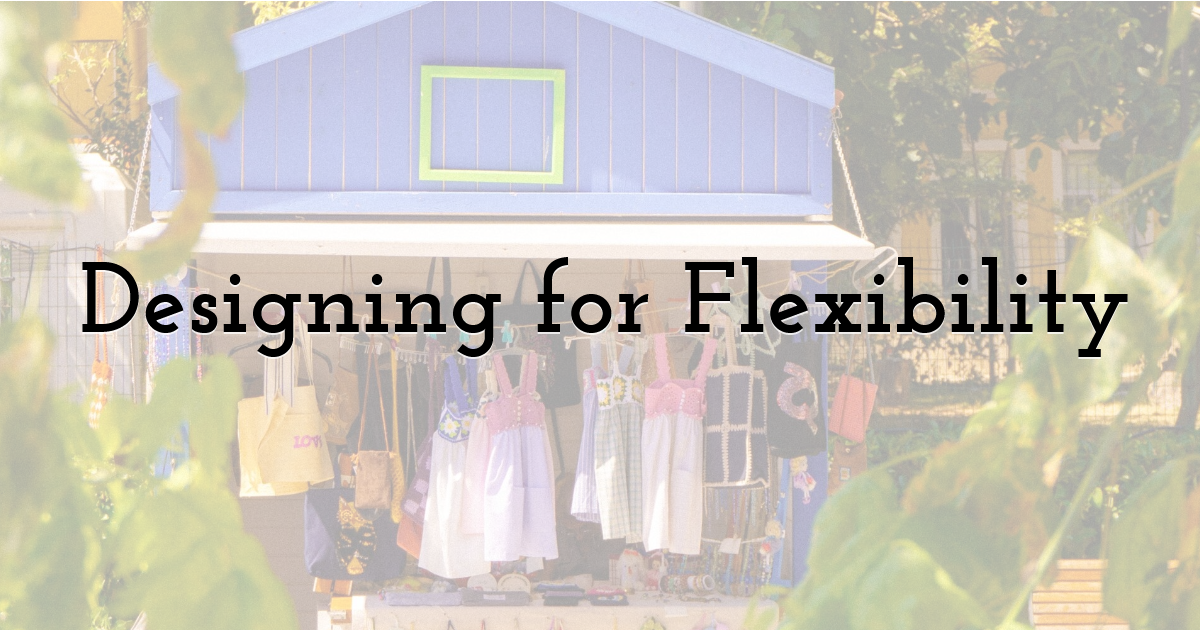
A temporary space absolutely has to be adaptable. The secret to making this happen is modular design. Think of your fixtures and furniture as building blocks you can rearrange to create different layouts or use for various purposes. Lightweight, movable display units, stackable seating, and partitions on wheels mean you can completely transform the space overnight. This approach is fundamental for creating a flexible future, where structures aren't rigid but are designed to change. For instance, a set of modular cubes could be product displays in the morning, seating for a workshop in the afternoon, and a cool art piece in the evening. This kind of versatility keeps the space fresh and useful throughout its short run.
Quick Graphic Updates
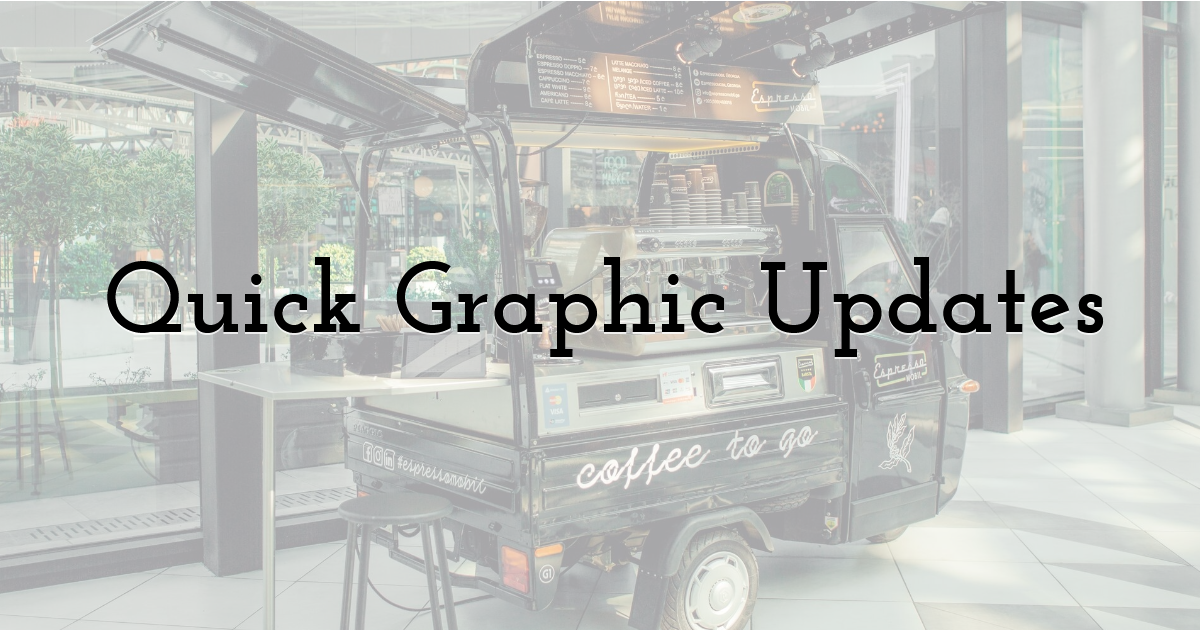
In a temporary setup, your brand message needs to be bold and easy to update. Permanent paint jobs or built-in signs just aren't practical. Instead, focus on design solutions that let you quickly change graphics. Big fabric prints, vinyl wall decals, and magnetic graphic systems are all excellent choices. They go up fast, come down without damaging surfaces, and can be swapped out to show off new promotions or themes. Digital screens offer even more flexibility, letting you change content with just a click. This is especially handy for showing dynamic things like social media feeds, videos, or interactive lookbooks that really grab customers' attention.
Efficient Setup and Teardown
Getting a temporary retail space set up and then taken down is just as important as how it looks. Every hour spent building is an hour you can't be open for business. To make this process smooth, design everything with easy assembly in mind. Use parts that are simple to transport and don't need a lot of tools to put together. However, managing the whole thing (from getting fixtures delivered to overnight installation and the final teardown) can get complicated. Many brands choose to rely on a professional retail installation team to handle the execution. These experts can make sure everything is set up correctly, safely, and on time, and then removed efficiently, leaving the original space looking perfect.
Maximizing Short-Term Impact
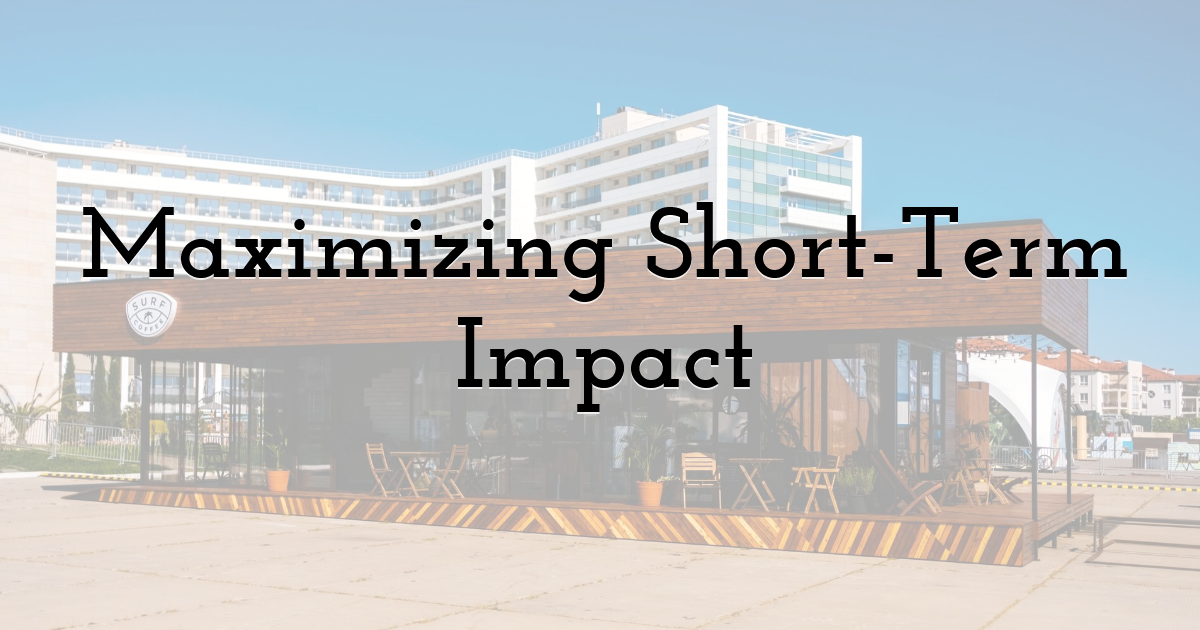
With only a short time to make an impact, every design element in a temporary space needs to work hard. Lighting is one of your most powerful tools. Use spotlights to highlight key products and draw attention, and use ambient lighting to set the mood. Don't forget about the other senses either; a signature scent or a carefully chosen playlist can make the experience even more immersive and memorable. Finally, design with social media in mind. Create at least one "Instagrammable" moment like a unique photo wall, a quirky neon sign, or an eye-catching art installation that encourages visitors to snap and share photos. This turns your customers into brand ambassadors, spreading the word about your temporary space far beyond its physical walls.
By embracing flexible design, efficient logistics, and impactful visual strategies, you can create a temporary retail experience that feels anything but temporary. It becomes a powerful way to build your brand and truly connect with your audience.
Until next time, Be creative! - Pix'sTory
Recommended posts
-
How are Graphic Designers Different from Logo Designers?
Read More › -
Why Does Your Logo Deserve the Spotlight on Every Box?
Read More › -
Which is Better? Screen Printing or Digital Printing
Read More › -
Social Media Management Guide for Online Business
Read More › -

Is AI Tilting the Balance of Power in Graphic Designing?
Read More › -
Why User-Centered Web Design Matters For NYC Audiences
Read More ›