Why Design Teams Struggle With Time Management
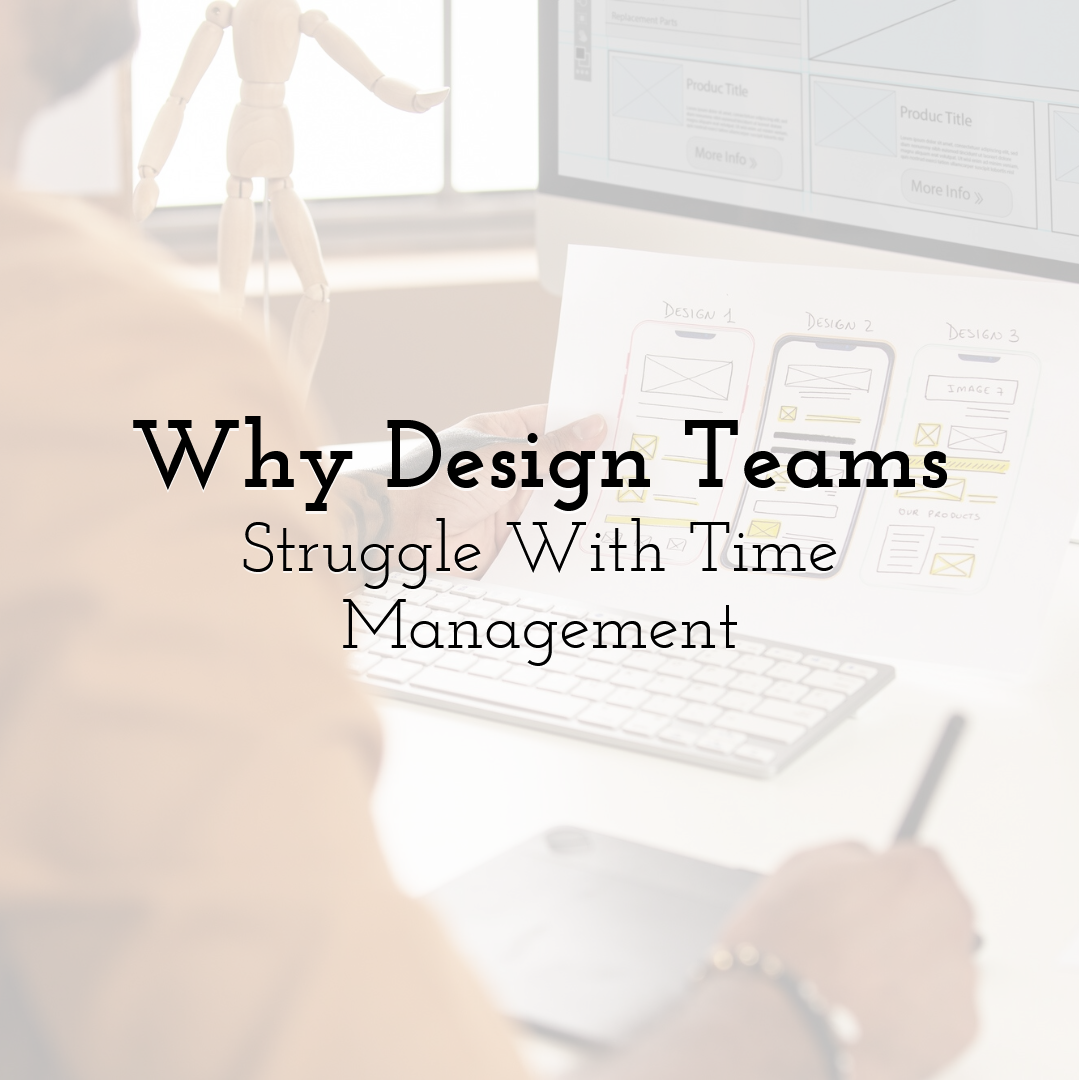
Design work operates differently from most other business functions. Unlike tasks with clear start and end points, design involves iteration, subjective feedback, and creative exploration. These characteristics make time management a persistent challenge for design teams across industries.
Understanding why these struggles occur is the first step toward building more efficient workflows. Here are the core reasons design teams often find themselves racing against deadlines.
Chasing Perfection Through Endless Iteration
Designers are trained to refine. Every pixel, every color choice, and every layout decision feels consequential. This attention to detail produces quality work, but it also creates a trap: the inability to declare a project finished.
The pursuit of perfection leads to spending excessive time on non-essential improvements. A button might be redesigned five times even though the first or second version was already functional. A color palette might undergo dozens of variations as the original selection aligns with the brief.
This tendency stems from how designers evaluate their own work. Unlike a spreadsheet that either calculates correctly or doesn't, design quality exists on a spectrum. There's always something that could be adjusted, which makes stopping difficult. Tools like privacy-safe workforce monitoring from WorkTime can help teams identify when iteration crosses from productive refinement into diminishing returns, giving managers visibility into time allocation without invasive surveillance.
Navigating Scope Creep Without Clear Boundaries

Projects rarely stay the same size from kickoff to completion. A landing page becomes a landing page plus three additional sections. A logo design expands into a full brand identity system. A simple icon set grows into a comprehensive illustration library.
Scope creep happens for several reasons. Stakeholders see early work and get excited about possibilities. New business requirements emerge mid-project. Teams discover technical constraints that require design changes.
Without documented boundaries and change request processes, designers absorb this extra work into their existing timelines. The original deadline remains fixed while the deliverables multiply.
Processing Feedback Through Unclear Channels
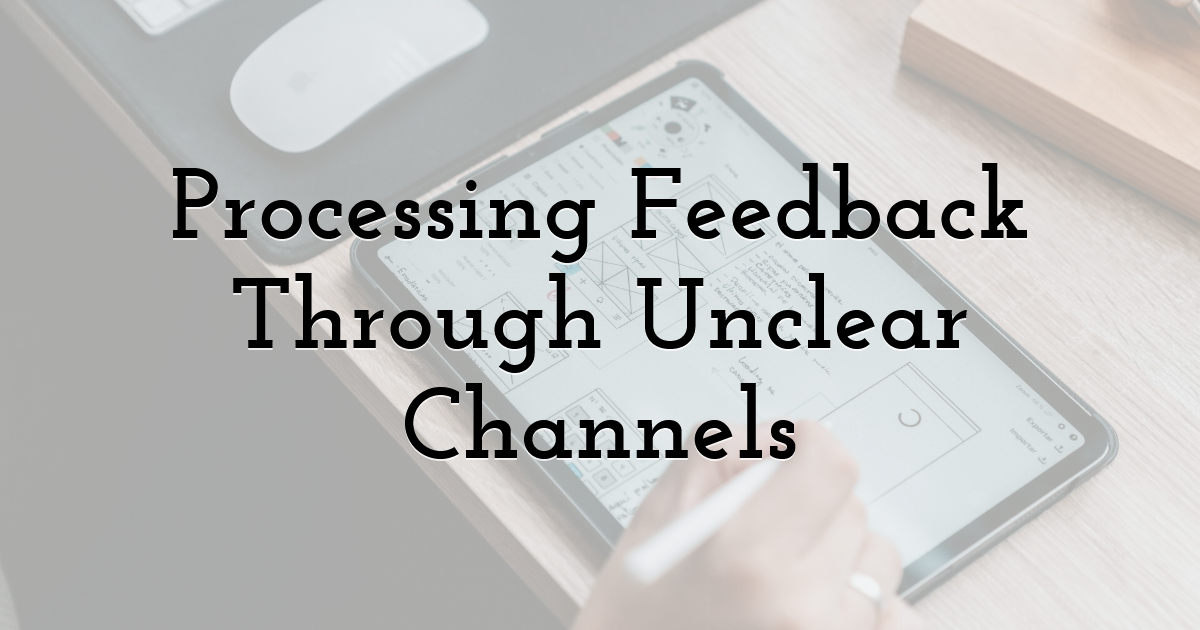
Revision rounds consume significant portions of design timelines. When feedback processes lack structure, these rounds multiply beyond what's necessary or productive.
Common problems include:
- • Receiving conflicting feedback from multiple stakeholders
- • Getting vague direction like "make it pop" without specific guidance
- • Reviewing feedback in scattered formats across emails, Slack messages, and meeting notes
- • Addressing the same concern multiple times because previous feedback wasn't documented
Each unclear revision cycle adds hours or days to a project. These delays compound when designers must interpret ambiguous requests or mediate between stakeholders with different visions.
Working Against Misunderstood Expectations
Many stakeholders view design as execution rather than exploration. They expect designers to produce final deliverables immediately, without understanding that effective design requires time for brainstorming, research, and conceptualization.
This misunderstanding creates unrealistic timelines from the start. When a three-week project gets scheduled for one week because decision-makers don't account for the creative process, the design team faces an impossible situation.
Bridging this gap requires education. Stakeholders need visibility into what design work actually involves: competitor analysis, user research, concept development, prototyping, testing, and refinement. Each phase takes time that must be built into project schedules.
Splitting Focus Across Multiple Projects

Design teams often support entire organizations. Marketing needs campaign graphics. Product needs interface updates. Sales needs presentation decks. Executive teams need pitch materials.
When designers juggle multiple projects at once, context switching becomes a productivity drain. Moving between a mobile app interface, a trade show booth design, and a social media campaign requires mental recalibration each time.
Poor prioritization compounds this problem. Without clear guidance on what matters most, designers either work on whatever feels urgent or try to advance everything equally. Neither approach produces optimal results.
Operating Without Dedicated Focus Time

Creative work requires concentration. Designing a complex user flow or developing a visual system demands sustained attention that fragmented schedules don't allow.
Modern work environments work against this need. Meetings fill calendars. Slack notifications interrupt focus. Quick feedback requests pull attention away from deep work.
Designers often find their days broken into small chunks that accommodate collaboration but prevent the focused sessions where meaningful design work happens. A calendar full of 30-minute gaps between meetings doesn't support the kind of concentration required for complex design problems.
Underestimating Task Duration

Designers frequently misjudge how long specific tasks will take. This happens partly because creative work is inherently variable. A concept might come together quickly, or it might require extended exploration.
Past experience doesn't always predict future duration. A similar project that took two days last time might take four days this time due to different constraints, stakeholder preferences, or technical requirements.
Optimism also plays a role. When estimating timelines, people tend to imagine best-case scenarios rather than accounting for the obstacles that typically arise.
Final Thoughts:
Design teams can improve their time management by implementing clearer feedback processes, setting firm project boundaries, defining goals at the start, and protecting dedicated time for focused work. These structural changes address the root causes rather than asking designers to simply work faster within broken systems.
The iterative, subjective nature of design won't change. But the systems surrounding design work can evolve to support better outcomes for teams and stakeholders.
Until next time, Be creative! - Pix'sTory
Recommended posts
-

How to Hire Freelance Design and Development Help Without Getting Burned
Read More › -
Design Systems Don’t Stop at Icons — Ouch Proves It
Read More › -

How to Use Video Background on Your Website
Read More › -

The Best Images Size for Social Media Posts to Boost Your Digital Presenc...
Read More › -
10 Important Rules to Live By as a Designer
Read More › -

4 Ways to Grow Traffic for Your Design Portfolio Website
Read More ›