Top Tips for Creating Educational Content Online
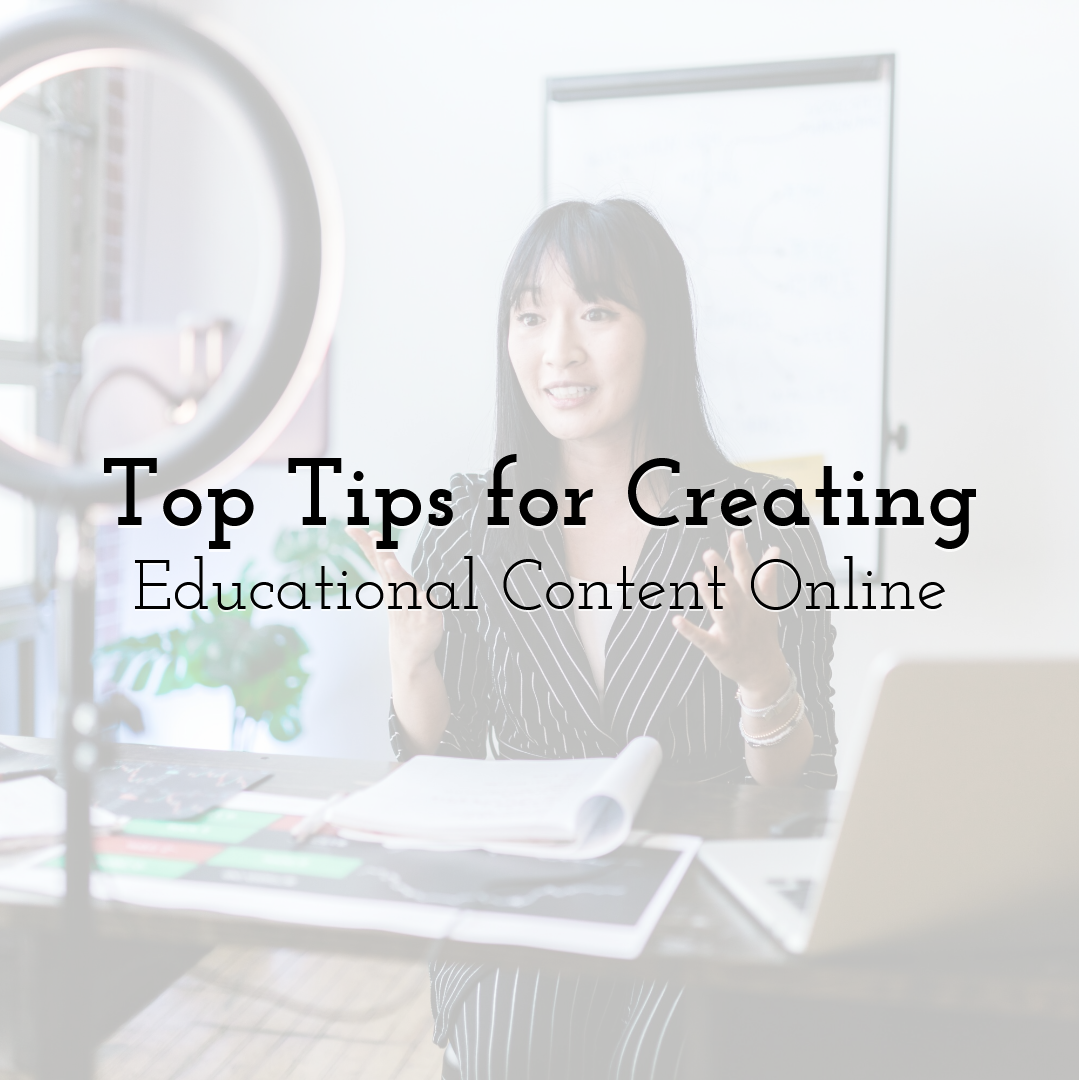
For content creators who are seeking to produce educational content online, there are a few methods and tips that can help them get the most out of their content. From using the right sort of tools to planning out your content effectively, following some simple tips can make educational content creation feel easier.
Educational content and edu-tainment products have never been more popular. Apps like Duolingo that are designed to make learning fun are commonplace and rank highly on app stores, and educational courses, videos and lectures on just about any subject you could name are available somewhere on the internet. With so much educational content available, people interested in engaging in it expect a relatively high level of quality. For people interested in creating educational content, this means that you need to create content that doesn't just educate, but does so in a way that is unique or interesting or simply of a high level of quality. This means that you need to use good tools, think ahead and plan your content, and to have a good concept for how people like to learn online.
Let's take a closer look at some top tips for people interested in educational content creation, which could help them to make content that will resonate with people and create better content.
Having a Clear Goal Matters
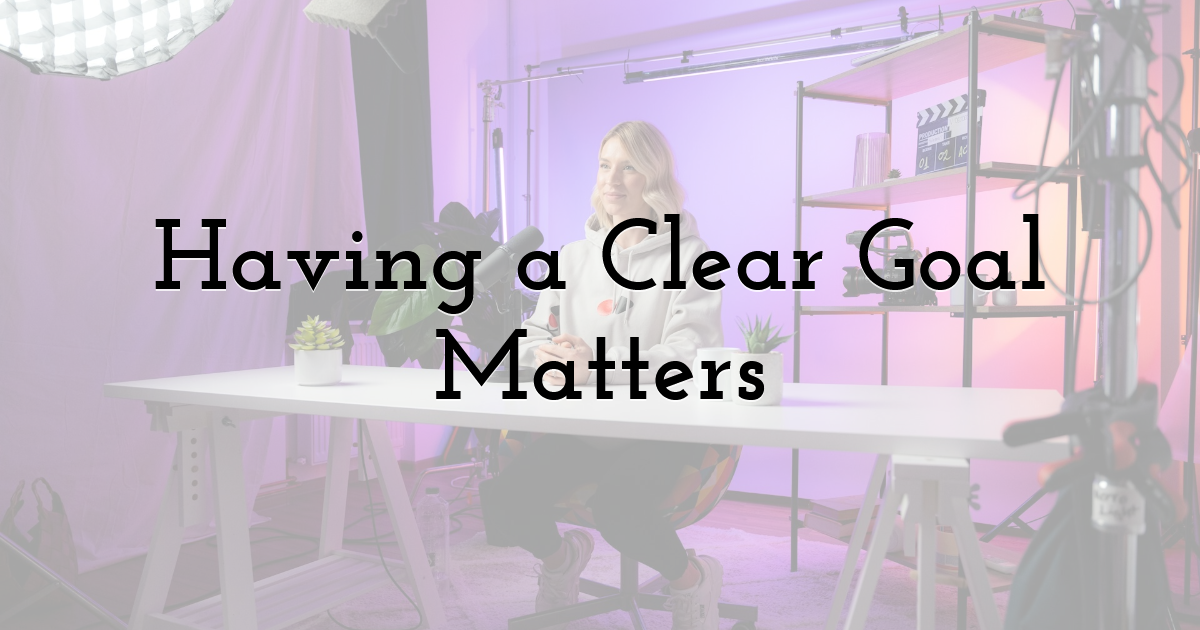
Before anything else, you need to figure out what exactly you are trying to teach. Once you have that idea clear in your head, define it and figure out the most effective and concise way to communicate it. When a learner knows exactly what they should expect from your content, they are more likely to be pleased with the results, assuming they line up with your goal.
A broad focus should not be your goal; online education thrives the more specific it is. If you have a larger or broader overall goal, that's fine, but break that down into smaller, more manageable pieces.
Have a Solid Plan for Your Content
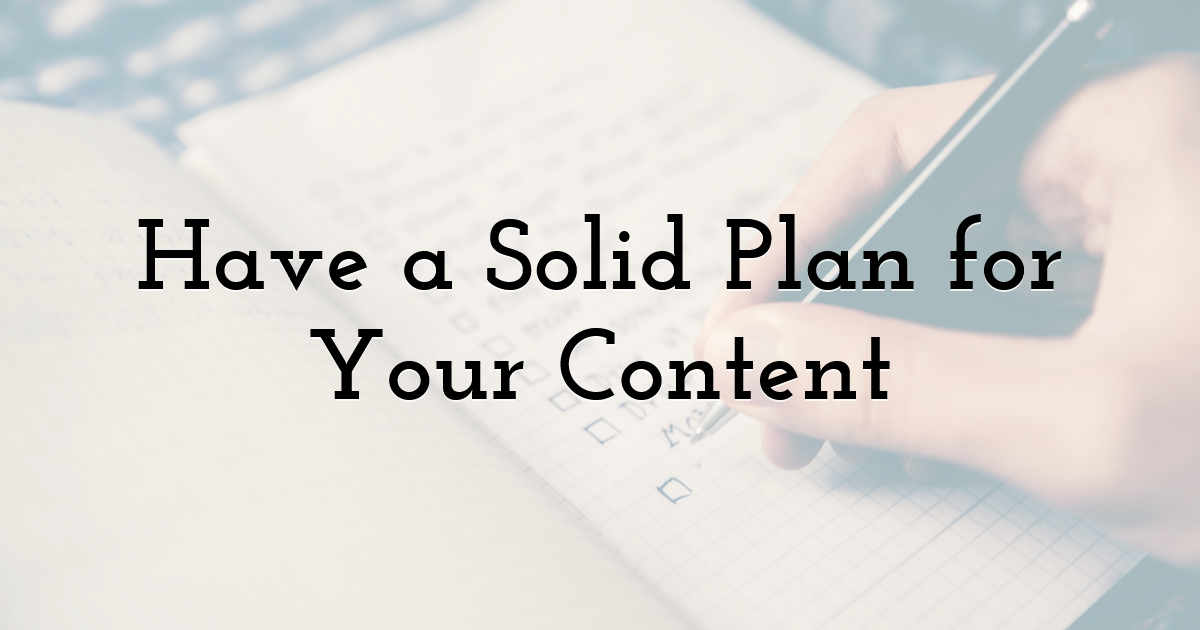
Having an overall goal matters, and so does having a plan for what exactly you are going to say. You can keep some elements of your content spontaneous and less planned, but for the most part, planning is your friend. Having, at the very least, an outline for the topics you need to touch on in any given recording or post is a must.
Planning has the additional benefit of allowing you to stay concise with what you say and do. Concise content is easier to digest and easier for learners to follow.
Utilize Visual Tools to Emphasize Your Content
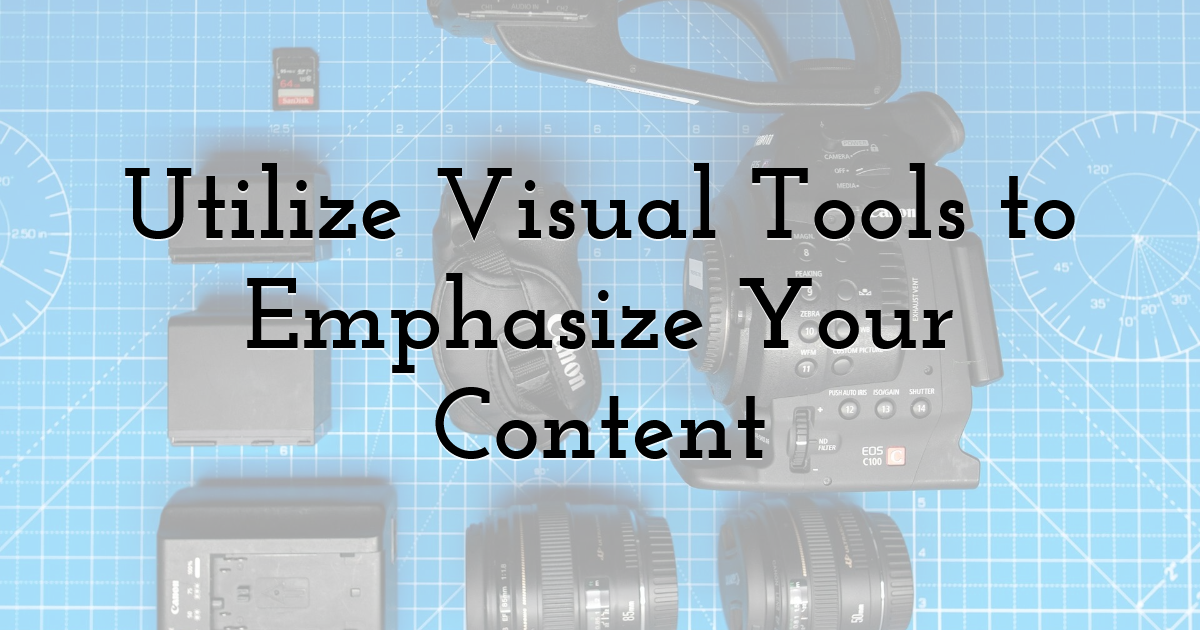
Most learners online thrive on some element of visualization to their educational content. This doesn't mean you need to paint a picture or design a whole series of perfect slideshows, but using a Mac screen recorder or some other program to record your screen accurately and demonstrate examples of what you are talking about will go a long way to keeping your content more interesting.
While you might think that some subjects might not be much improved by visual aids or screen capture, you might be surprised. By simply being able to highlight specific parts of a document, zoom in on an image or even record yourself typing, you can bring a sense of clarity and emphasis to your content.
Get Quality Audio Tools
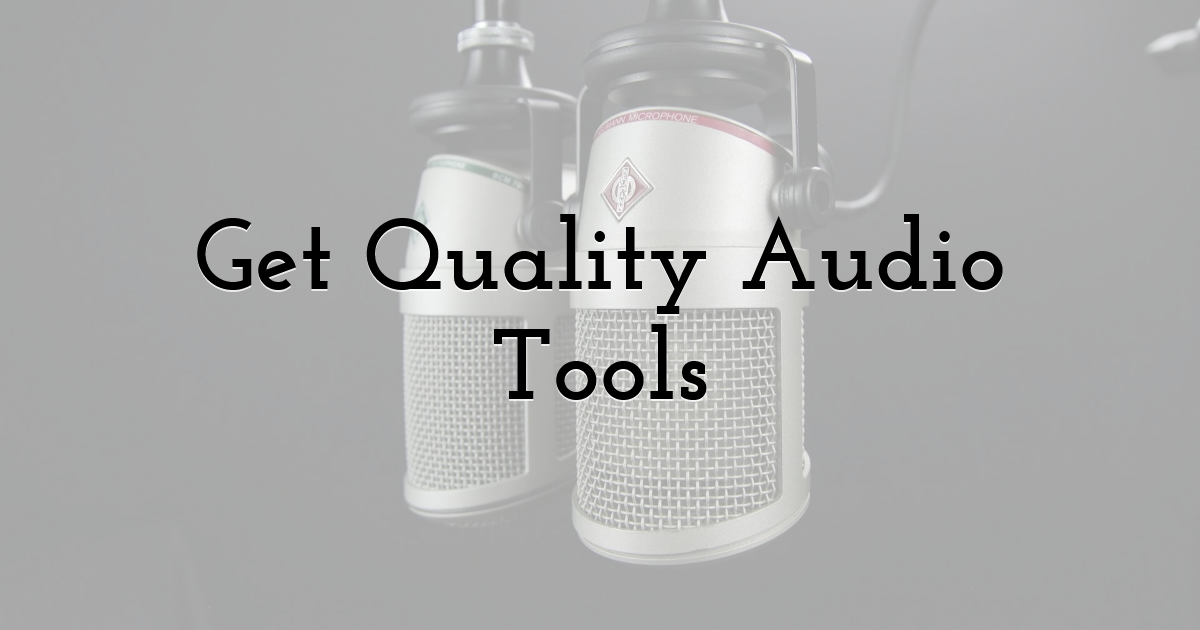
While some viewers might not care if your video quality is a little below average, the same is not true of audio. Poor audio quality is something that modern audiences are very quick to judge and can be a key factor in switching off a video. This is especially true if you plan to create content that could be useful for people who speak multiple languages, as their understanding of you could hinge on the quality of your audio settup.
This is easily fixed with the purchase of a good-quality microphone. You can also take some additional steps around the programs you use to record your audio, your environment when you record and some other things. But all of this begins with a good microphone.
Make Content that is Exciting and Accessible
The best sort of educational content is exciting and able to be understood by a broad range of people. As often as you can, you should use examples from real-life or metaphors to help explain complex ideas. Using elements of humour and asking rhetorical questions to get the audience thinking are also good techniques.
In terms of keeping things accessible, including subtitles and captions is a good idea for hard-of-hearing learners. You should also, where possible, avoid complex jargon and stick to simple, clear language so that the largest number of people can understand you as much as possible.
Interact With Your Audience
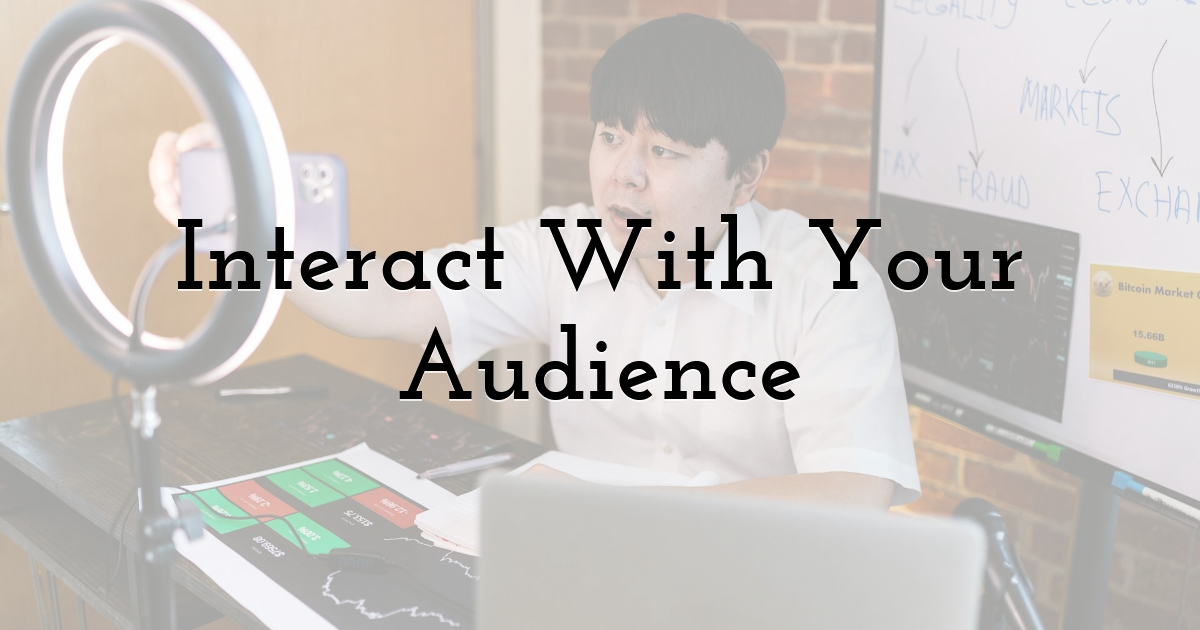
The best kinds of educational content involve some sort of interaction. Setting your learners some simple tasks or asking them questions to try and prompt discussion around your content are great ways to foster positive interactions. You ideally want your audience to form a community that will interact with itself as well as with you.
In addition, you should listen to your audience and take on board any feedback they have. If there is a range of viewers who seem to take issue with the same component of your content, consider changing or altering that component! You want your learners to get the most out of your content, which means that you should try to get the most out of your learners as well.
Final Thoughts:
By following these tips, you should find that your educational content or presentations will flow more easily and might gain more traction. Have a goal, make a plan, use good recording tools and make exciting content, and you'll find that your audience grows at a prodigious rate.
Until next time, Be creative! - Pix'sTory
Recommended posts
-

Mistakes To Look Out For When Great Content Fails To Create Sales
Read More › -
5 Automated Email Marketing Messages to Keep Customers Loyal to Your Bran...
Read More › -
5 Best Ways to Make Your Blog Content Engaging
Read More › -
How to Use Snapchat for Business in 2021?
Read More › -
Why Simple Video Edits Can Make Your Marketing More Effective
Read More › -
How and Why You Should Utilize Your Email Marketing Templates Efficiently
Read More ›